


Wilhelm Popp
Released Album
Chamber
-
 August 1, 2017
 -
 September 11, 2015
 -
 August 14, 2015
 -
 November 15, 2008
 -
 March 6, 1995
Artist Info
Role:ComposerBirth:1828 in Coburg, GermanyDeath:1903Genre:ChamberWilhelm Popp was a German composer and flautist who lived from 1828 to 1903. He was born in Coburg, Germany, on April 27, 1828, into a family of musicians. His father, Franz Popp, was a flautist and composer, and his mother, Maria Anna Popp, was a singer. Wilhelm Popp showed an early interest in music and began playing the flute at a young age. He received his first music lessons from his father and later studied with the famous flautist and composer Theobald Boehm. Popp's musical career began as a flautist. He played in various orchestras and ensembles throughout Germany and Austria, including the Munich Court Orchestra and the Vienna Court Opera Orchestra. He was known for his virtuosic flute playing and was highly regarded by his contemporaries. However, Popp's true passion was composition, and he began to focus more on writing music in the 1860s. Popp's compositions were primarily for the flute, but he also wrote for other instruments, including the piano, violin, and cello. His music was influenced by the Romantic era, and he often incorporated elements of folk music into his compositions. Popp's works were popular during his lifetime and were performed by many famous musicians, including the flautist Paul Taffanel and the violinist Joseph Joachim. One of Popp's most famous works is his "Elfentanz" (Dance of the Elves), Op. 39, for flute and piano. The piece is a lively and playful dance that showcases the flute's agility and virtuosity. It has become a staple of the flute repertoire and is still performed frequently today. Another popular work by Popp is his "Russisches Zigeunerlied" (Russian Gypsy Song), Op. 462, for flute and piano. The piece is a beautiful and melancholic melody that captures the essence of Russian folk music. Popp's compositions were not limited to solo works for the flute. He also wrote chamber music, including several flute duets and trios. One of his most famous chamber works is his "Quartett in G Major," Op. 245, for flute, violin, viola, and cello. The piece is a charming and light-hearted work that showcases Popp's skill as a composer. In addition to his compositions, Popp was also a respected music teacher. He taught at the Munich Conservatory and the Vienna Conservatory, where he had a significant influence on the next generation of flautists and composers. Among his students were the flautist and composer Georges Barrère and the composer Franz von Vecsey. Popp's legacy as a composer and flautist has endured long after his death. His music continues to be performed and recorded by flautists around the world, and his contributions to the flute repertoire are still celebrated today. Popp's influence on the development of the flute as a solo instrument cannot be overstated, and his compositions remain an important part of the flute's history.More....
Recent Artist Music
3
3:51
4
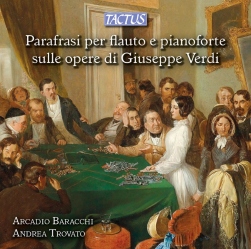
La Traviata Concert Waltz for flute & piano (after Verdi), Op. 378
Concert-Walzer su La Traviata Op. 378
9:31
8
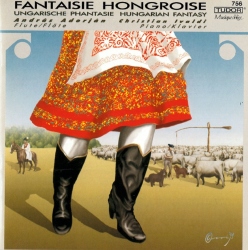
5:42
Copyright Ⓒ 2013 Davinci Finger. All rights reseved
Service Terms & Policy