


Friedrich Ernst Fesca
Released Album
Chamber
-
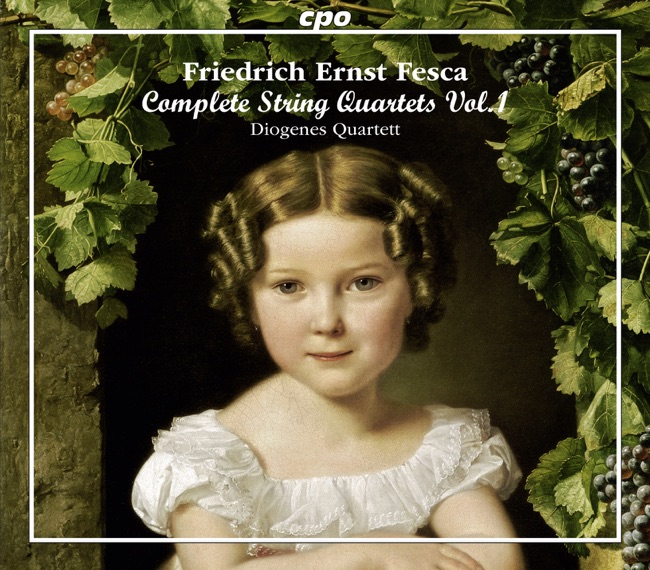 September 13, 2013
 -
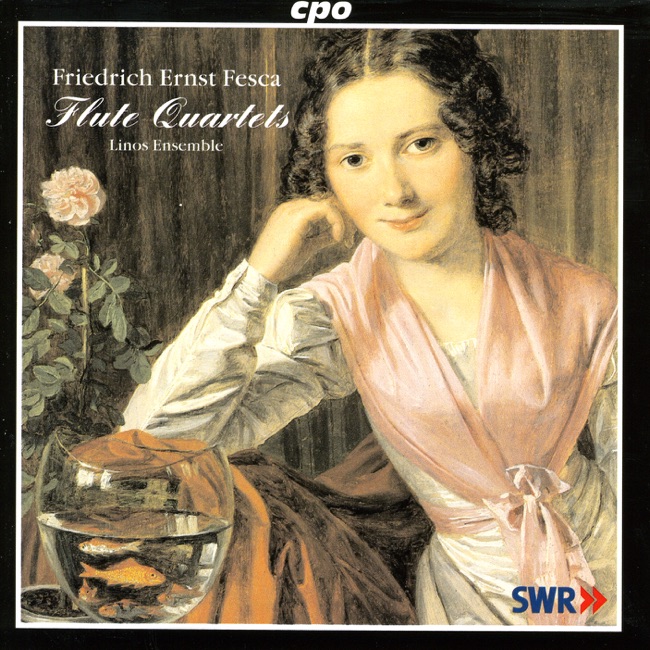 April 28, 2009
 -
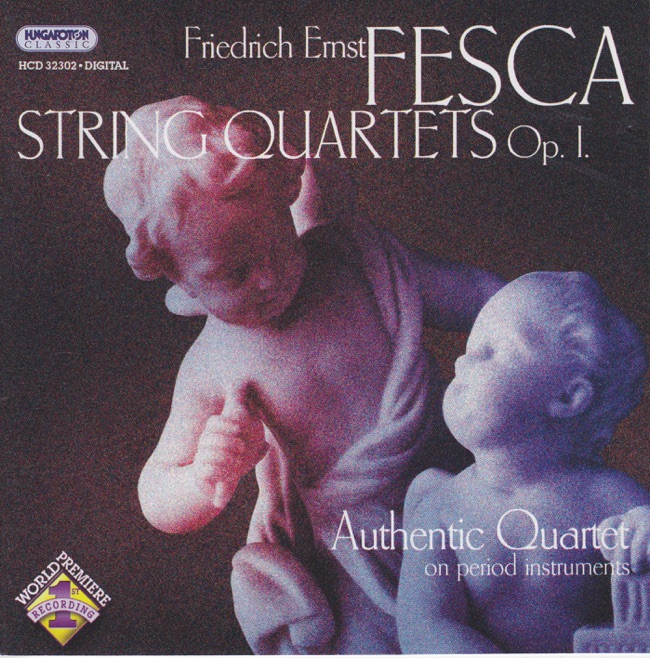 June 27, 2006
Symphony
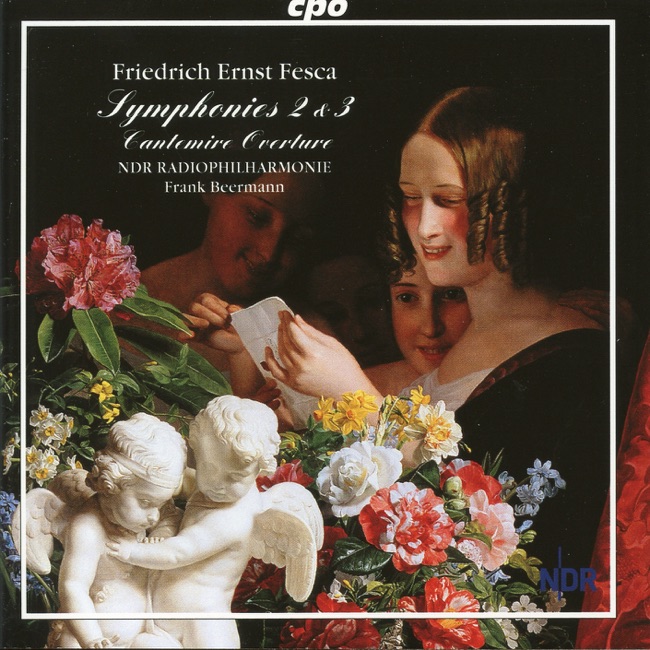
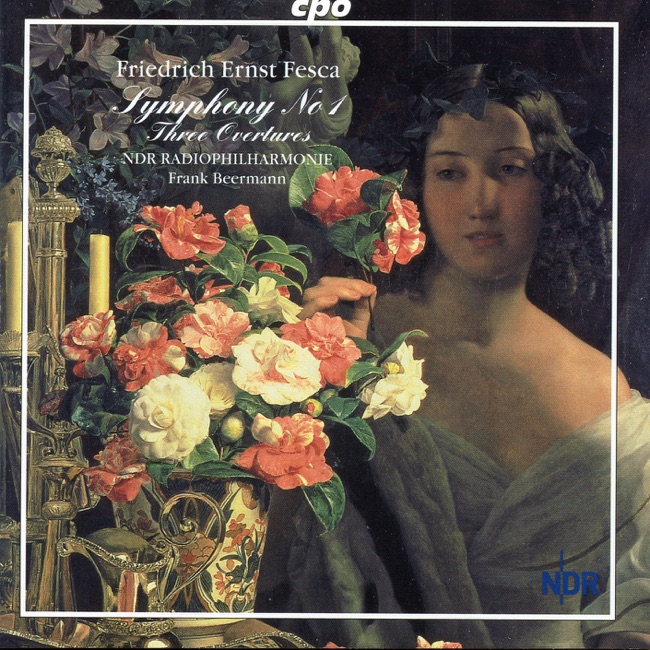
Orchestral
-
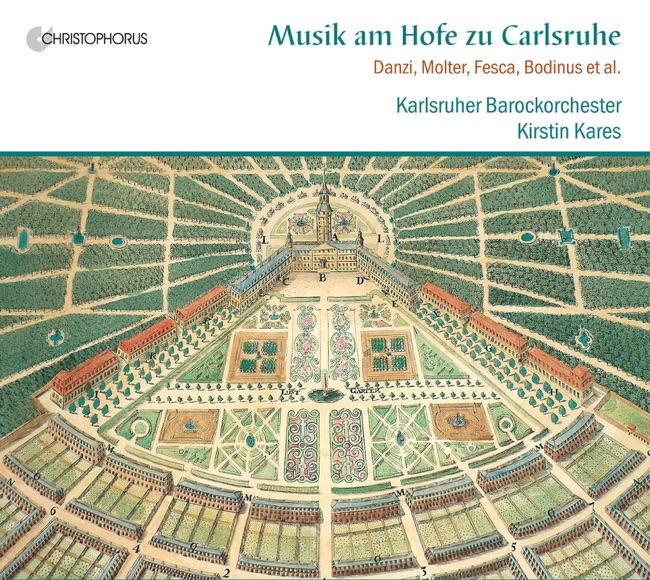 January 27, 2015
Artist Info
Role:ComposerCountry: GermanyBirth:February 15, 1789 in Magdeburg, GermanyDeath:May 23, 1826 in Karlsruhe, Baden-Württemberg, GermanyPeriod:RomanticGenre:OperaSymphonyFriedrich Ernst Fesca was a German composer born on February 15, 1789, in Magdeburg, Germany. He was the son of Johann Friedrich Fesca, a musician and composer, and his wife, Johanna Dorothea. Fesca showed an early interest in music and began his musical education at a young age. Fesca's father was his first music teacher, and he received further training from Johann Nepomuk Hummel, a renowned composer and pianist. Fesca's talent was evident from an early age, and he quickly became known for his skill as a pianist and composer. In 1810, Fesca moved to Hamburg, where he became the conductor of the city's opera orchestra. He also began to compose more extensively, producing a number of works for the stage, including operas, ballets, and incidental music. Fesca's music was heavily influenced by the classical style of Mozart and Haydn, but he also incorporated elements of Romanticism into his compositions. His works were known for their lyricism, elegance, and technical skill. One of Fesca's most significant works is his Symphony No. 2 in D major, which was composed in 1820. The symphony is a prime example of Fesca's classical style, with its clear structure, balanced melodies, and precise orchestration. The work was well-received by audiences and critics alike and helped establish Fesca as a leading composer of his time. Fesca also composed a number of chamber works, including string quartets, piano trios, and sonatas. His String Quartet No. 1 in E-flat major is particularly noteworthy for its expressive melodies and intricate harmonies. In addition to his work as a composer, Fesca was also a respected music teacher. He taught at the Hamburg Conservatory and was known for his rigorous approach to musical education. Many of his students went on to become successful musicians and composers in their own right. Despite his success as a composer and teacher, Fesca's life was not without its challenges. He suffered from poor health throughout his life and was forced to take extended breaks from his work. He also struggled financially, and his music was not always well-received by audiences. Fesca died on February 24, 1826, at the age of 37. His death was a great loss to the musical world, and his music fell into obscurity in the years following his passing. However, in recent years, there has been renewed interest in Fesca's work, and his music is once again being performed and recorded. In conclusion, Friedrich Ernst Fesca was a talented composer and musician who made significant contributions to the classical music world. His music was known for its elegance, lyricism, and technical skill, and his works continue to be appreciated by audiences and musicians today. Despite the challenges he faced in his life, Fesca remained dedicated to his craft and left behind a legacy that continues to inspire and delight music lovers around the world.More....
Recent Artist Music
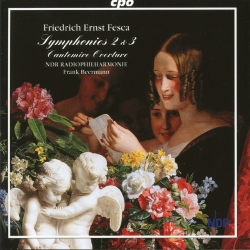
4
1:36
5
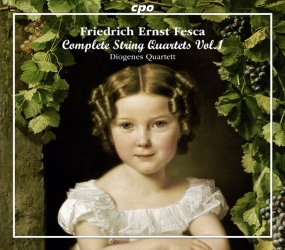
10:52
6
1:36
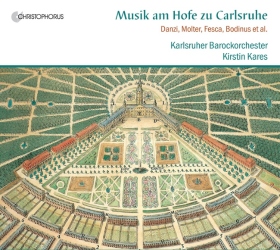
8
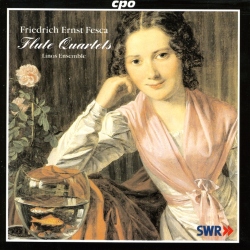
6:29
9
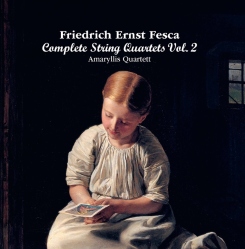
12:47
Copyright Ⓒ 2013 Davinci Finger. All rights reseved
Service Terms & Policy