


Clark Ross
Released Album
Keyboard
-
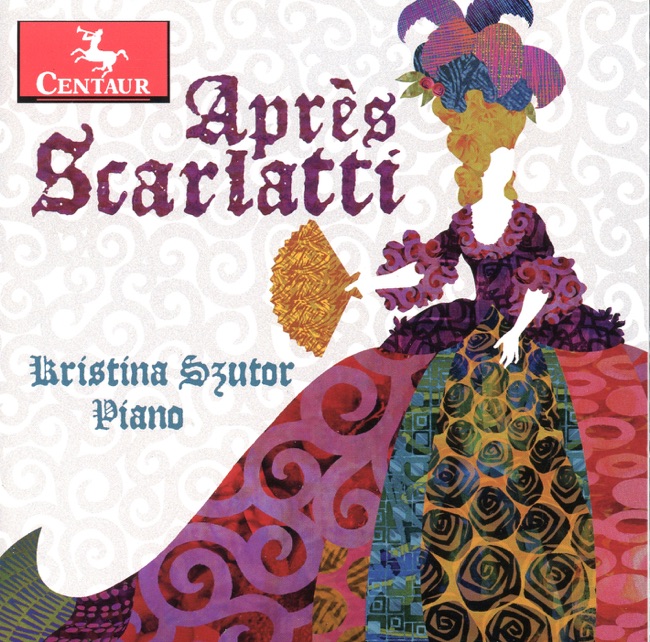 September 1, 2011
 -
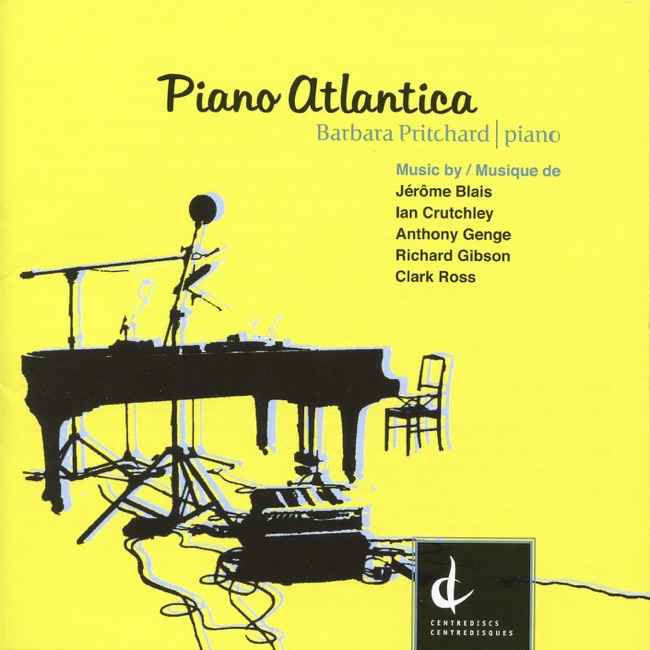 March 30, 2010
Chamber
-
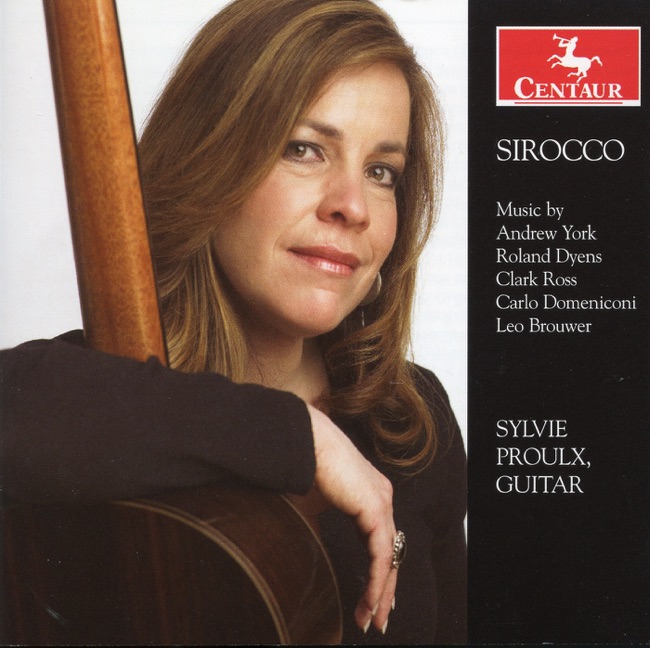 January 25, 2011
Artist Info
Role:ComposerClark Ross was a renowned classical music composer who was born on May 12, 1948, in New York City, United States. He was the youngest of three children born to a family of musicians. His father was a pianist, and his mother was a violinist. Ross grew up in a musical environment, and his parents encouraged him to pursue music from a young age. Ross began his musical training at the age of five, learning to play the piano. He showed a natural talent for music and quickly progressed to more advanced pieces. At the age of ten, he started taking violin lessons and soon became proficient in playing the instrument. Ross continued his musical education throughout his teenage years, studying composition, orchestration, and music theory. In 1966, Ross enrolled at the Juilliard School in New York City, where he studied composition under the tutelage of Vincent Persichetti. He also studied conducting with Jean Morel and orchestration with Robert Starer. Ross was a dedicated student and spent long hours practicing and composing. He graduated from Juilliard in 1970 with a Bachelor of Music degree. After graduation, Ross worked as a freelance composer and conductor, writing music for various ensembles and orchestras. He also taught music theory and composition at several universities, including the University of Michigan and the University of California, Los Angeles. Ross's music was heavily influenced by the works of classical composers such as Bach, Mozart, and Beethoven. He was also inspired by the music of contemporary composers such as Stravinsky, Bartok, and Shostakovich. Ross's compositions were known for their intricate harmonies, complex rhythms, and rich orchestration. One of Ross's most famous works is his Symphony No. 1, which he composed in 1975. The symphony is a four-movement work that showcases Ross's mastery of orchestration and composition. The first movement is a lively and energetic piece that features a soaring melody played by the strings. The second movement is a slow and contemplative piece that features a haunting melody played by the woodwinds. The third movement is a scherzo that is full of playful rhythms and intricate counterpoint. The final movement is a triumphant piece that features a majestic melody played by the brass. Another notable work by Ross is his Piano Concerto, which he composed in 1982. The concerto is a three-movement work that features a virtuosic piano part and a lush orchestration. The first movement is a fast and energetic piece that showcases the pianist's technical abilities. The second movement is a slow and lyrical piece that features a beautiful melody played by the piano and the strings. The final movement is a lively and rhythmic piece that features a playful dialogue between the piano and the orchestra. Ross's music was well-received by critics and audiences alike. His works were performed by many of the world's leading orchestras, including the New York Philharmonic, the London Symphony Orchestra, and the Berlin Philharmonic. Ross was also the recipient of numerous awards and honors, including the Pulitzer Prize for Music in 1987. In addition to his work as a composer, Ross was also a dedicated teacher and mentor to many young musicians. He taught at several universities throughout his career and was known for his passion for music and his ability to inspire his students. Sadly, Ross passed away on June 15, 1995, at the age of 47.More....
Recent Artist Music
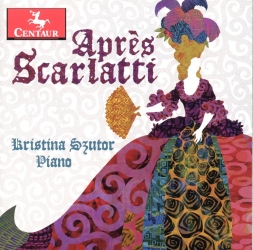
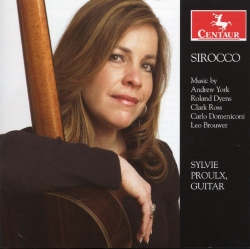
Copyright Ⓒ 2013 Davinci Finger. All rights reseved
Service Terms & Policy