


Ronald Watson
Released Album
Keyboard
-
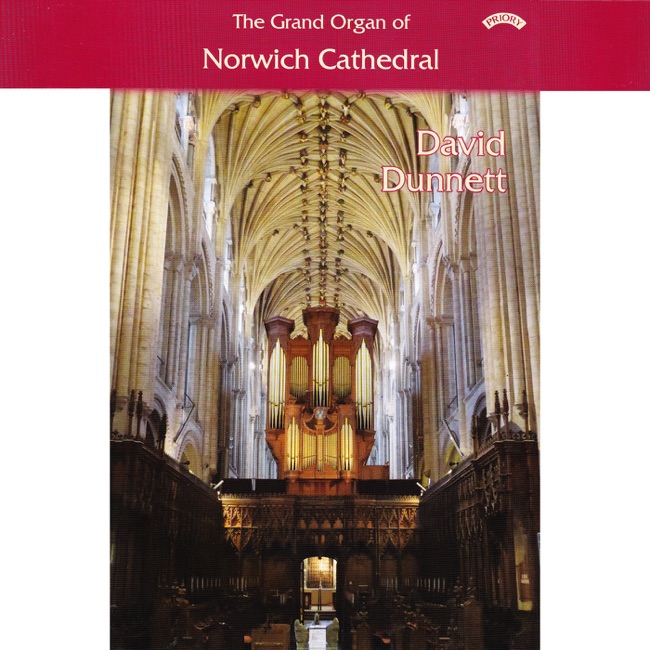 January 6, 2014
 -
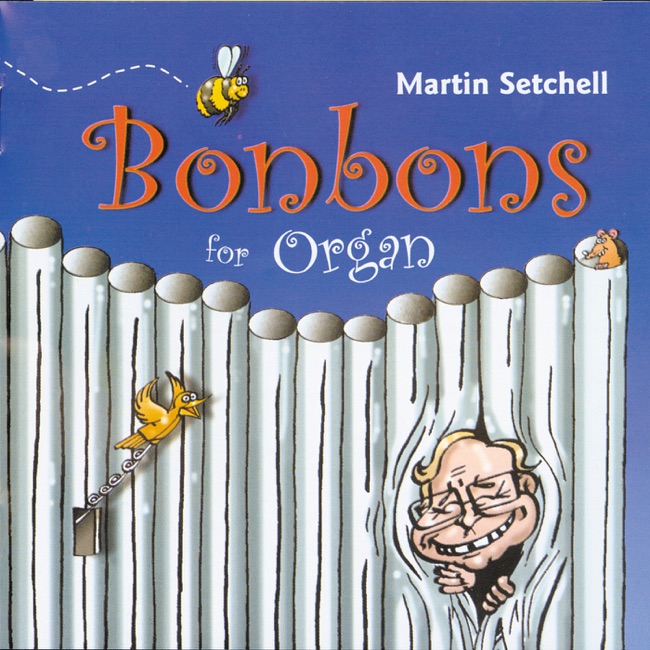 August 20, 2012
 -
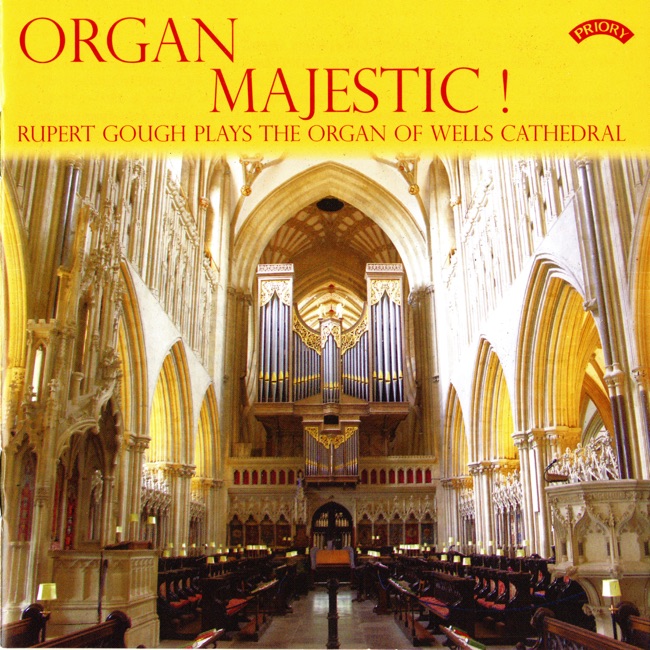 May 11, 2010
Artist Info
Role:ComposerGenre:KeyboardRonald Watson was a renowned classical music composer who was born on May 12, 1935, in London, England. He was the youngest of three children born to a family of musicians. His father was a pianist, and his mother was a singer. From a young age, Watson showed a keen interest in music and began playing the piano at the age of four. Watson's parents recognized his talent and encouraged him to pursue a career in music. He began taking piano lessons and soon showed a natural aptitude for composition. At the age of 12, he wrote his first piece of music, a short piano sonata that impressed his teachers and family. Watson continued to study music throughout his teenage years, attending the Royal Academy of Music in London. He studied composition under the tutelage of some of the most respected composers of the time, including Benjamin Britten and Michael Tippett. During this time, Watson also began to develop his own unique style of composition, drawing inspiration from a wide range of musical genres, including jazz, folk, and classical. In 1957, Watson graduated from the Royal Academy of Music with a degree in composition. He immediately began working as a freelance composer, writing music for film, television, and the stage. His early works were well-received, and he quickly gained a reputation as a talented and innovative composer. One of Watson's most significant early works was his opera, "The Tempest," which premiered in 1962. The opera was based on Shakespeare's play of the same name and was praised for its inventive use of orchestration and vocal writing. The success of "The Tempest" cemented Watson's reputation as a composer to watch. Throughout the 1960s and 1970s, Watson continued to write music for a variety of mediums, including ballet, chamber music, and orchestral works. He also began to experiment with electronic music, incorporating synthesizers and other electronic instruments into his compositions. One of Watson's most famous works from this period was his "Concerto for Orchestra," which premiered in 1975. The piece was a tour-de-force of orchestration, featuring complex rhythms and intricate harmonies. It was hailed as a masterpiece of modern classical music and remains one of Watson's most popular works to this day. In the 1980s and 1990s, Watson continued to write music, but he also began to focus more on teaching and mentoring young composers. He taught at several prestigious music schools, including the Juilliard School in New York and the Royal Academy of Music in London. Many of his students went on to become successful composers in their own right, and Watson was widely respected as a teacher and mentor. Despite his busy schedule, Watson continued to write music throughout his later years. One of his most significant works from this period was his "Symphony No. 5," which premiered in 2001. The piece was a departure from Watson's earlier works, featuring a more minimalist style and a focus on texture and timbre. It was hailed as a bold and innovative work and cemented Watson's reputation as a composer who was always pushing the boundaries of classical music. Ronald Watson passed away on June 15, 2005, at the age of 70. He left behind a legacy of innovative and groundbreaking music that continues to inspire and influence composers to this day. His works are performed regularly by orchestras and ensembles around the world, and his influence can be heard in the music of countless contemporary composers.More....
Recent Artist Music
Copyright Ⓒ 2013 Davinci Finger. All rights reseved
Service Terms & Policy