


Nigel Osborne
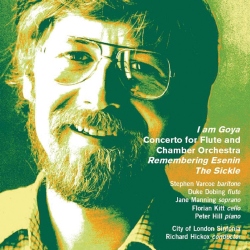
Released Album
Chamber
-
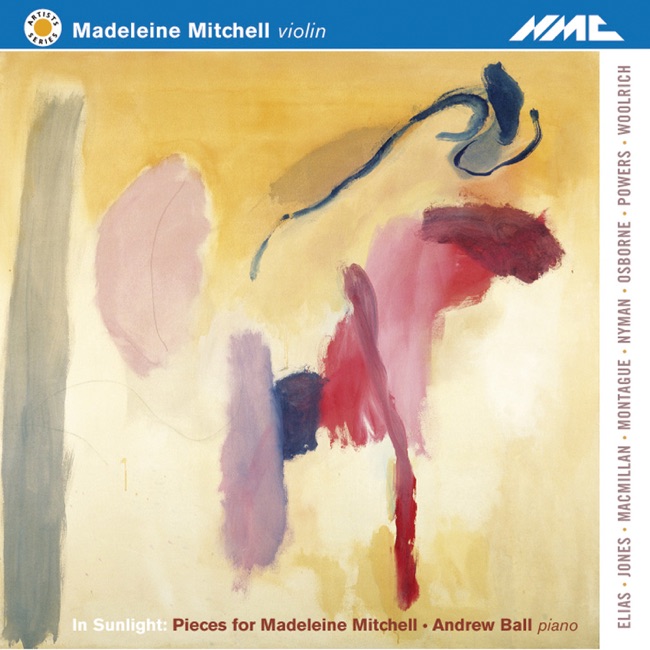 May 1, 2005
Concerto
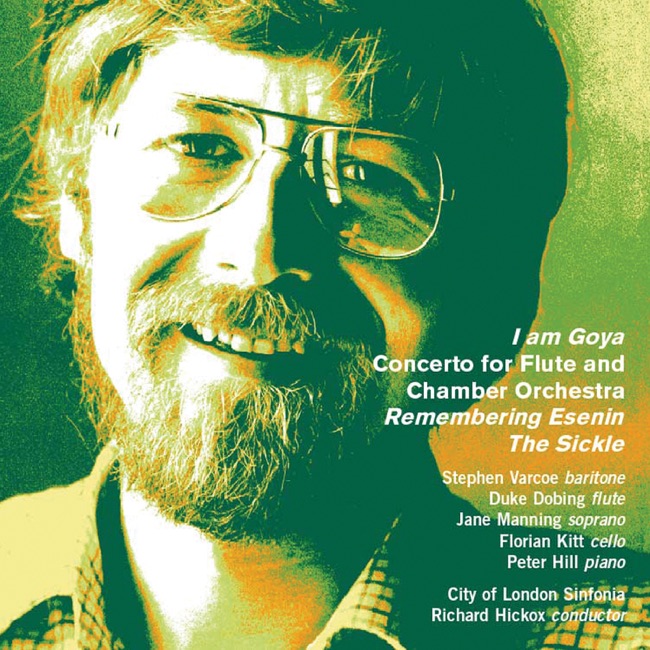
Choral
-
 August 5, 2013
Artist Info
Role:Composer PerformerCountry: United KingdomBirth:June 23, 1948Period:ModernGenre:ChamberConcertoVocalNigel Osborne is a British composer who has made significant contributions to the world of classical music. Born on June 23, 1948, in Manchester, England, Osborne grew up in a family of musicians. His father was a professional violinist, and his mother was a pianist. From a young age, Osborne showed a keen interest in music and began playing the piano and violin. Osborne attended the Royal Northern College of Music in Manchester, where he studied composition with Anthony Gilbert and piano with Ryszard Bakst. He later went on to study at the University of Cambridge, where he earned a degree in music. During his time at Cambridge, Osborne was heavily influenced by the works of Benjamin Britten and Peter Maxwell Davies. In the early 1970s, Osborne began to establish himself as a composer, and his works began to receive critical acclaim. One of his early works, "Three Studies for Piano," was premiered at the Cheltenham Festival in 1972 and was later performed by the London Sinfonietta. This work showcased Osborne's unique style, which blended elements of traditional classical music with contemporary techniques. Throughout the 1970s and 1980s, Osborne continued to compose works that were performed by some of the world's leading orchestras and ensembles. One of his most notable works from this period was "The Electrification of the Soviet Union," which was commissioned by the BBC Symphony Orchestra and premiered in 1980. This work was inspired by the writings of the Russian poet Vladimir Mayakovsky and featured a unique blend of electronic and acoustic instruments. In the 1990s, Osborne began to explore new musical territories, incorporating elements of world music into his compositions. He traveled extensively throughout the Middle East and Asia, studying the music of these regions and incorporating these influences into his works. One of his most notable works from this period was "The Piano Tuner," which was inspired by his travels in Cambodia and featured traditional Cambodian instruments. Osborne's works from the 2000s and beyond have continued to push the boundaries of classical music. He has collaborated with artists from a wide range of disciplines, including dance, theater, and film. One of his most notable works from this period was "The Music of Dawn," which was commissioned by the Scottish Chamber Orchestra and premiered in 2012. This work featured a unique blend of classical and electronic music and was inspired by the natural beauty of the Scottish landscape. Throughout his career, Osborne has received numerous awards and honors for his contributions to classical music. In 1990, he was awarded the prestigious Grawemeyer Award for Music Composition for his work "The Ice Mountain." He has also been awarded the British Composer Award and the Ivor Novello Award. In addition to his work as a composer, Osborne has also been a dedicated teacher and mentor. He has taught at a number of institutions, including the University of Edinburgh and the Royal Conservatoire of Scotland. He has also been involved in a number of educational initiatives, including the creation of a music program for children affected by war in Bosnia and Herzegovina. In conclusion, Nigel Osborne is a composer who has made significant contributions to the world of classical music.More....
Recent Artist Music

Copyright Ⓒ 2013 Davinci Finger. All rights reseved
Service Terms & Policy