


Eduardas Balsys
Released Album
Chamber
-
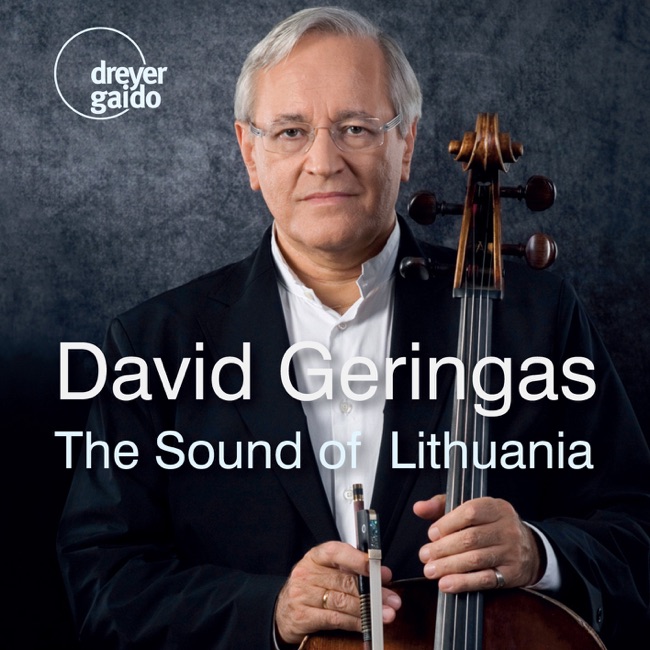 May 27, 2016
 -
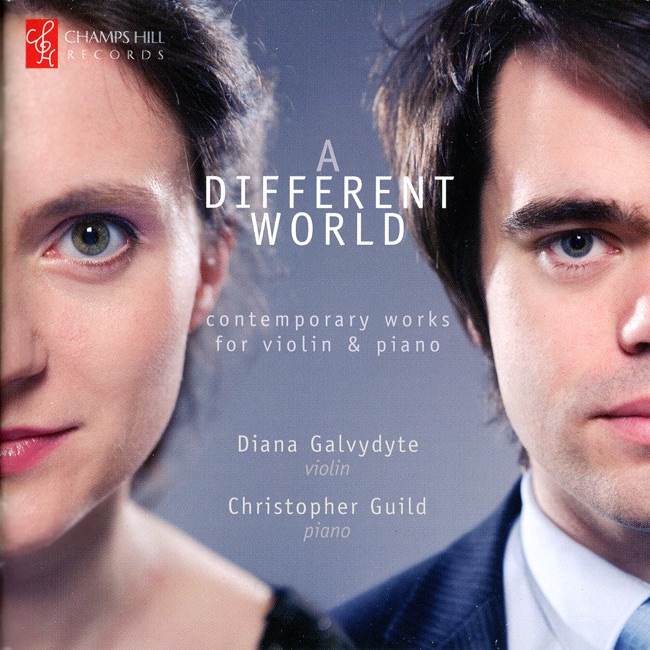 July 30, 2012
Concerto
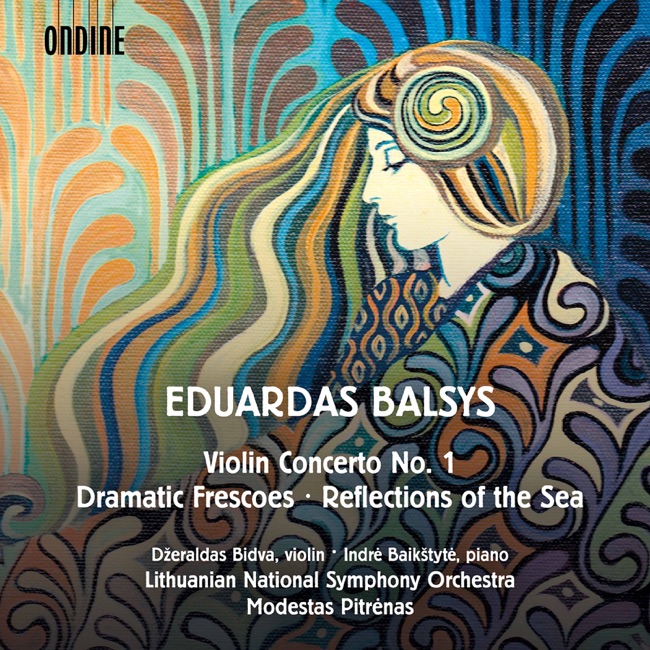
Artist Info
Role:ComposerBirth:December 20, 1919Death:November 3, 1984Eduardas Balsys was a Lithuanian composer who was born on January 14, 1919, in the small town of Šiluva, Lithuania. He was the youngest of six children in a family of farmers. His father was a self-taught musician who played the accordion and the violin, and his mother was a singer. Balsys showed an early interest in music and began playing the violin at the age of six. Balsys received his primary education in Šiluva and later attended the Kaunas Conservatory, where he studied composition with Juozas Gruodis. He graduated in 1941 and continued his studies at the Lithuanian Academy of Music in Vilnius, where he studied with Juozas Naujalis and Balys Dvarionas. During World War II, Balsys was conscripted into the Soviet army and served as a musician in a military band. After the war, Balsys returned to Lithuania and began working as a composer and music teacher. He was appointed as a professor at the Lithuanian Academy of Music in 1950 and remained there until his retirement in 1984. Balsys was also active in the Lithuanian Composers' Union and served as its chairman from 1964 to 1974. Balsys' music is characterized by its use of Lithuanian folk melodies and rhythms, as well as its incorporation of modernist techniques. His early works, such as the String Quartet No. 1 (1946) and the Piano Sonata No. 1 (1947), show the influence of his teachers, Gruodis and Naujalis. However, Balsys soon began to develop his own style, as can be heard in works such as the Symphony No. 1 (1950) and the Piano Concerto No. 1 (1952). One of Balsys' most famous works is the oratorio "The Forest of the Gods" (Miško dievų šventovė), which was composed in 1960. The oratorio is based on the novel of the same name by the Lithuanian writer Balys Sruoga, which tells the story of a group of Lithuanian intellectuals who are imprisoned in a concentration camp during World War II. The oratorio is a powerful work that combines elements of Lithuanian folk music with modernist techniques, and it has become a symbol of Lithuanian resistance to Soviet oppression. Balsys' other notable works include the Symphony No. 2 (1955), the Piano Concerto No. 2 (1962), and the opera "Eglė the Queen of Serpents" (Eglė žalčių karalienė), which was composed in 1969. "Eglė the Queen of Serpents" is based on a Lithuanian folk tale and tells the story of a young woman who falls in love with a serpent. The opera is notable for its use of Lithuanian folk melodies and its incorporation of modernist techniques. Balsys' music was well-received in Lithuania and he was awarded numerous prizes and honors throughout his career. He was awarded the Lithuanian State Prize in 1950, 1952, 1955, and 1960, and he was named a People's Artist of the Lithuanian SSR in 1964. Balsys was also awarded the Order of the Red Banner of Labor in 1979 and the Order of the Lithuanian Grand Duke Gediminas in 1998. Eduardas Balsys died on July 17, 1984, in Vilnius, Lithuania.More....
Recent Artist Music

Copyright Ⓒ 2013 Davinci Finger. All rights reseved
Service Terms & Policy