


Johann Sigismund Weiss
Released Album
Chamber
-
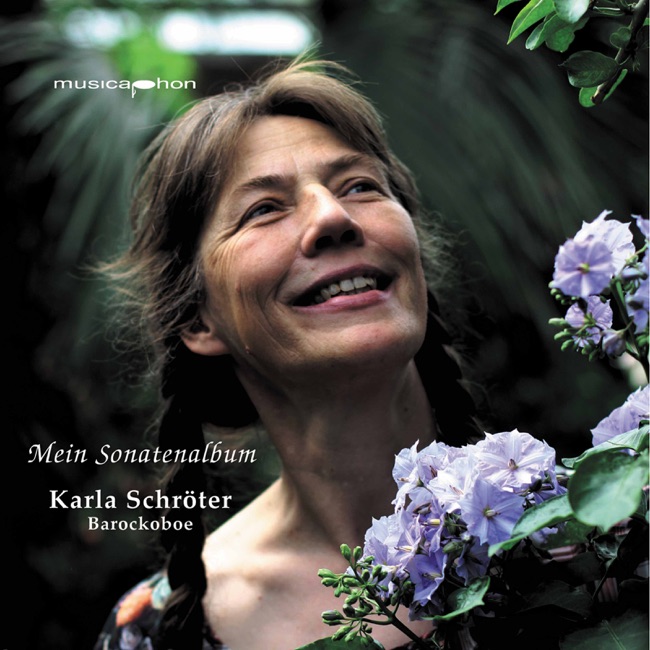 January 1, 2021
 -
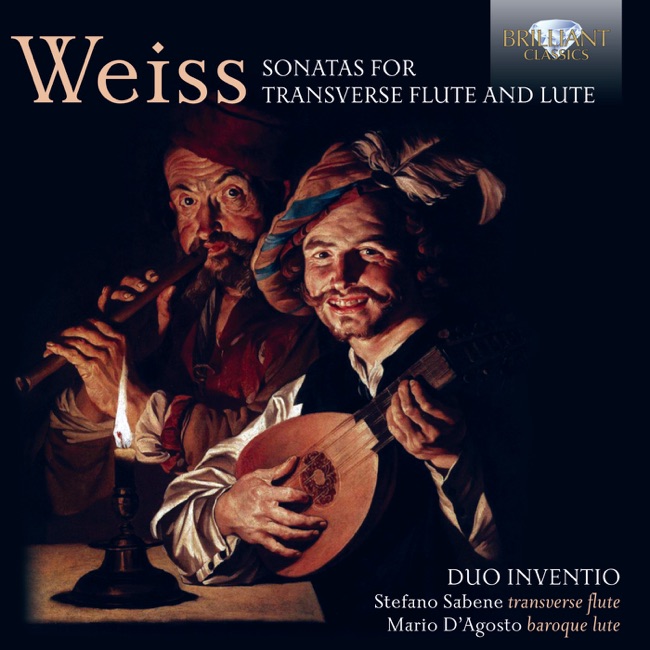 September 30, 2014
 -
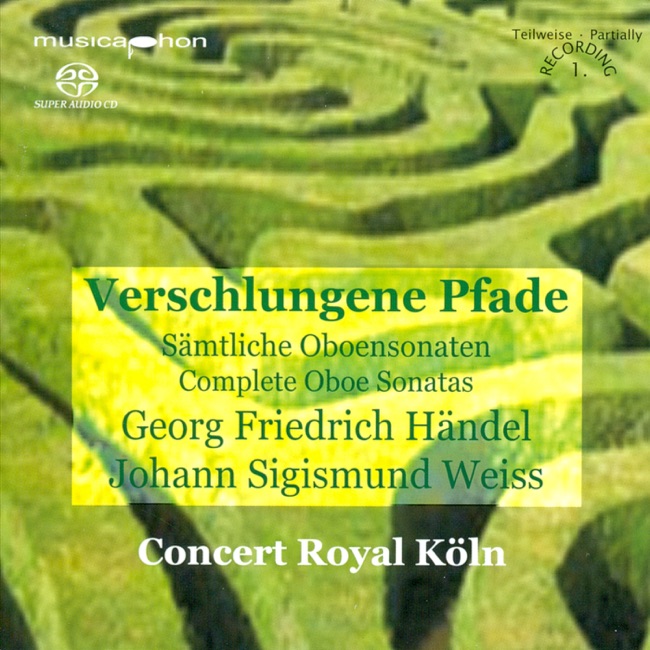 July 24, 2007
Artist Info
Role:ComposerCountry: GermanyBirth:ca. 1690 in Breslau, GermanyDeath:April 12, 1737 in Mannheim, GermanyPeriod:BaroqueGenre:ChamberJohann Sigismund Weiss was a German composer and musician who lived during the Baroque period. He was born on October 3, 1690, in the town of Guben, which is located in the present-day state of Brandenburg in Germany. Weiss was the son of Johann Jacob Weiss, who was a lutenist and composer himself. Johann Jacob Weiss was also a member of the court orchestra of the Elector of Brandenburg. Johann Sigismund Weiss grew up in a musical family and was exposed to music from a young age. He began his musical education under the tutelage of his father, who taught him to play the lute. Weiss showed great talent and quickly became proficient in playing the instrument. He also received training in composition and music theory from his father. In addition to his father, Weiss was also influenced by other prominent musicians of his time. He studied with the famous lutenist Silvius Leopold Weiss, who was not related to him. Silvius Leopold Weiss was one of the most renowned lutenists of the Baroque period, and his influence can be seen in Johann Sigismund Weiss's compositions. Weiss's musical career began in earnest when he was appointed as a member of the court orchestra of the Elector of Brandenburg. He served in this position for several years before moving to Dresden, where he became a member of the court orchestra of the Elector of Saxony. In Dresden, Weiss had the opportunity to work with some of the most prominent musicians of his time, including Johann Sebastian Bach. Weiss's compositions were primarily for the lute, which was his instrument of choice. He wrote a large number of pieces for the instrument, including sonatas, suites, and concertos. His compositions were characterized by their technical virtuosity and their use of complex harmonies and counterpoint. One of Weiss's most famous works is his Sonata No. 36 in D minor. This piece is a prime example of Weiss's technical skill and his ability to create complex and intricate compositions. The sonata is divided into four movements, each of which showcases Weiss's mastery of the lute. The first movement is a prelude that sets the tone for the rest of the piece. The second movement is a fugue that demonstrates Weiss's skill in counterpoint. The third movement is a sarabande, which is a slow and stately dance. The final movement is a gigue, which is a fast and lively dance. Another notable work by Weiss is his Suite No. 14 in G minor. This suite is also divided into four movements and showcases Weiss's ability to create complex and intricate compositions. The first movement is a prelude that sets the tone for the rest of the piece. The second movement is a fugue that demonstrates Weiss's skill in counterpoint. The third movement is a sarabande, which is a slow and stately dance. The final movement is a gigue, which is a fast and lively dance. Weiss's compositions were highly regarded during his lifetime, and he was considered one of the greatest lutenists of his time. His influence can be seen in the works of other composers, including Johann Sebastian Bach. Bach was known to have been a great admirer of Weiss's music and even transcribed some of his works for other instruments. Despite his success as a composer and musician, Weiss's life was not without its challenges. He suffered from poor health for much of his life and was forced to retire from his position in the court orchestra of the Elector of Saxony due to his health problems.More....


Copyright Ⓒ 2013 Davinci Finger. All rights reseved
Service Terms & Policy