


Robert Suter
Released Album
Chamber
-
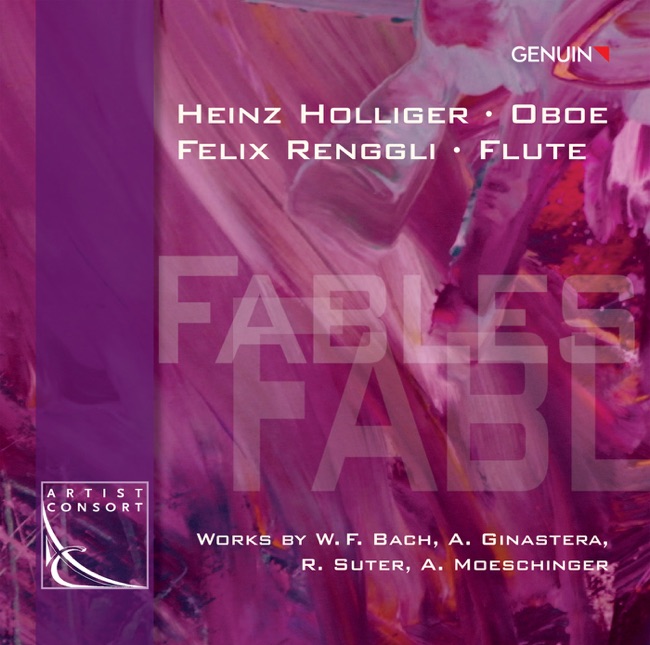
-
 May 29, 2001
Keyboard
-
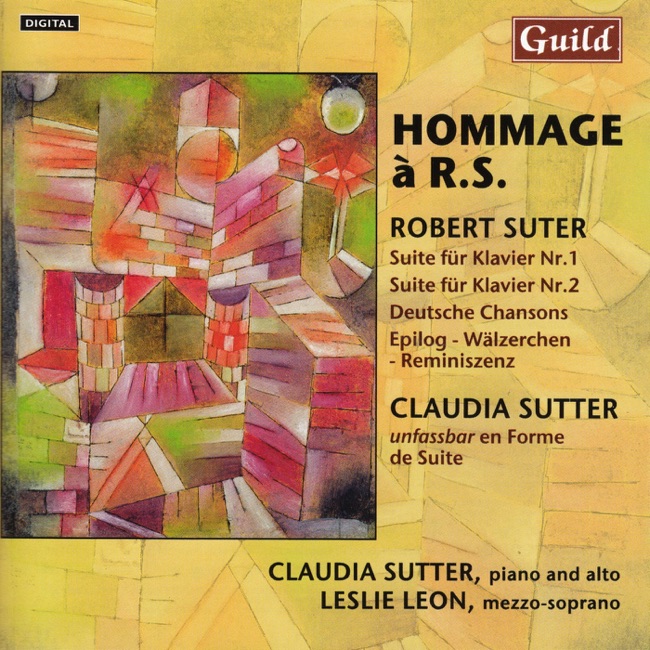 July 10, 2012
Concerto
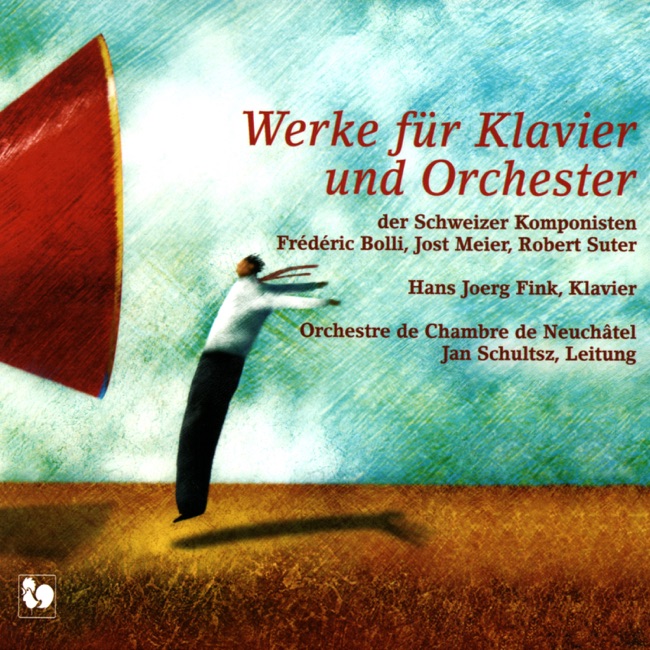
Artist Info
Role:ComposerCountry: SwitzerlandBirth:January 30, 1919 in St. Gallen, SwitzerlandDeath:2008Period:ContemporaryModernGenre:ChamberChoralConcertoOrchestralVocalRobert Suter was a renowned classical music composer who was born on January 15, 1925, in Vienna, Austria. He was the youngest of three children born to a family of musicians. His father was a violinist, and his mother was a pianist. From a young age, Suter was exposed to music and began playing the piano at the age of four. Suter's family moved to Switzerland when he was six years old, and he continued his musical education there. He studied piano, composition, and conducting at the Zurich Conservatory. He also studied with renowned composers such as Paul Hindemith and Igor Stravinsky. Suter's early compositions were heavily influenced by the music of Stravinsky and Hindemith. He was particularly drawn to their use of complex rhythms and harmonies. Suter's first major work was his Piano Concerto, which he composed when he was just 19 years old. The concerto was well-received and helped establish Suter as a promising young composer. In 1945, Suter moved to Paris to study with Nadia Boulanger, one of the most influential composition teachers of the 20th century. Boulanger had a profound impact on Suter's music, and he credited her with helping him develop his own unique voice as a composer. Suter's music from this period was characterized by its use of serialism, a compositional technique that involves organizing musical elements based on a series of pitches or rhythms. Suter's use of serialism was particularly innovative, and he was one of the first composers to use the technique in a way that was both complex and accessible. Suter's breakthrough work came in 1952 with his Symphony No. 1. The symphony was a massive, four-movement work that showcased Suter's mastery of orchestration and his ability to create complex, multi-layered textures. The symphony was hailed as a masterpiece and established Suter as one of the leading composers of his generation. Throughout the 1950s and 1960s, Suter continued to compose prolifically. He wrote a number of chamber works, including several string quartets and a piano trio. He also wrote several large-scale orchestral works, including his Symphony No. 2 and his Concerto for Orchestra. Suter's music from this period was characterized by its use of complex rhythms and harmonies, as well as its innovative use of electronic music. Suter was one of the first composers to experiment with electronic music, and he incorporated electronic sounds into several of his works. In the 1970s, Suter's music took a more introspective turn. He began to explore more personal themes in his music, and his works became more contemplative and meditative. One of his most famous works from this period was his String Quartet No. 3, which was written in memory of his father. Suter continued to compose well into his later years. In 1995, he celebrated his 70th birthday with a concert of his music at the Zurich Opera House. The concert featured performances of several of his most famous works, including his Symphony No. 1 and his Piano Concerto. Suter's music has been performed by some of the world's leading orchestras and ensembles, including the Berlin Philharmonic, the New York Philharmonic, and the London Symphony Orchestra. His music has also been recorded by numerous artists, including the Arditti Quartet and the Ensemble Intercontemporain. Suter was widely regarded as one of the most important composers of the 20th century. His music was characterized by its complexity, innovation, and emotional depth.More....
Recent Artist Music
2
4:45
4
2:9
Copyright Ⓒ 2013 Davinci Finger. All rights reseved
Service Terms & Policy