


Michele Mangani
Released Album
Concerto
-
 April 26, 2024
 -
 February 23, 2024
 -
 June 30, 2023
 -

-
 March 31, 2023
 -
 March 26, 2019
Chamber
-
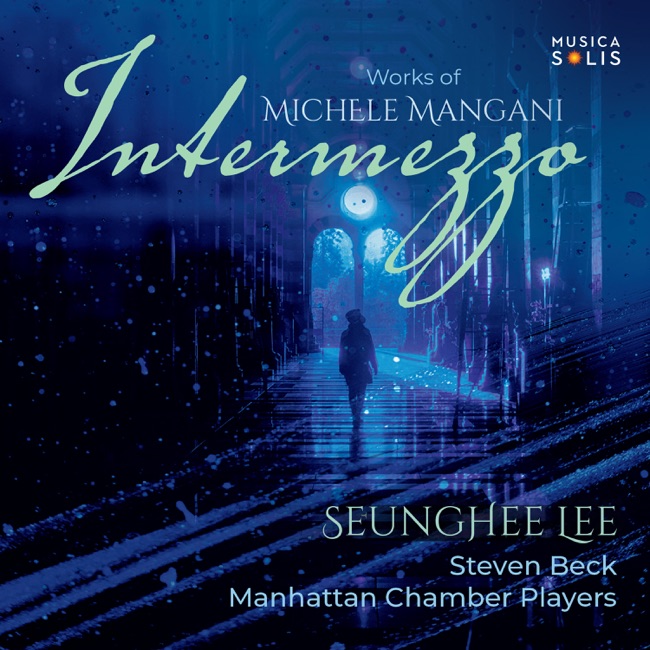 August 23, 2024
 -
 February 24, 2023
 -
 June 11, 2021
 -
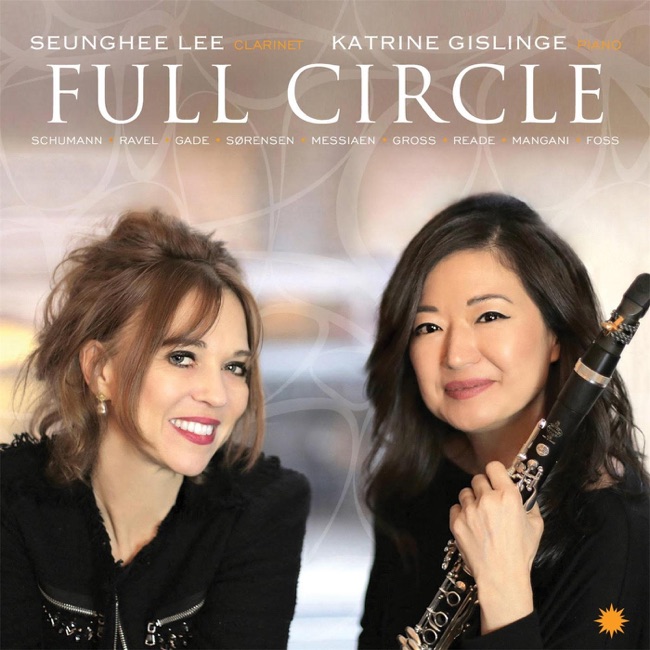 July 15, 2017
Artist Info
Role:ComposerMichele Mangani was an Italian composer born on October 22, 1958, in Florence, Italy. He grew up in a family of musicians, with his father being a pianist and his mother a singer. From a young age, Mangani showed a keen interest in music and began playing the piano at the age of six. He later went on to study music at the Conservatory of Florence, where he honed his skills as a composer. Mangani's early works were heavily influenced by the classical music of the 18th and 19th centuries, particularly the works of Mozart, Beethoven, and Chopin. However, he also drew inspiration from contemporary composers such as Stravinsky and Bartok, and his music began to take on a more modern and experimental tone. One of Mangani's early works, the Piano Sonata No. 1, was composed when he was just 18 years old. The piece showcases his technical prowess on the piano and his ability to blend classical and modern elements in his music. The sonata was well-received by critics and helped establish Mangani as a promising young composer. In the 1980s, Mangani began to experiment with electronic music, incorporating synthesizers and other electronic instruments into his compositions. This led to the creation of some of his most innovative works, such as the electronic opera "The Machine," which tells the story of a sentient machine that gains consciousness and rebels against its human creators. Mangani's music was often characterized by its emotional depth and complexity. He was known for his use of unconventional harmonies and rhythms, as well as his ability to create intricate textures and layers in his compositions. His music was also deeply influenced by his interest in philosophy and literature, and many of his works were inspired by the writings of Nietzsche, Kafka, and other existentialist thinkers. One of Mangani's most famous works is the Symphony No. 2, which was composed in 1992. The symphony is a sprawling, multi-movement work that showcases Mangani's mastery of orchestration and his ability to create complex, multi-layered compositions. The piece was widely praised for its emotional depth and its ability to evoke a wide range of moods and emotions. In addition to his work as a composer, Mangani was also a respected music educator. He taught at several universities and conservatories throughout Italy, and his students included some of the most promising young composers of his generation. Tragically, Mangani's life was cut short when he died in a car accident in 2001. However, his legacy as a composer and educator lives on, and his music continues to be performed and studied by musicians and music lovers around the world.More....
Recent Artist Music



8

3:53




Copyright Ⓒ 2013 Davinci Finger. All rights reseved
Service Terms & Policy