


Richard Gibson
Released Album
Keyboard
-
 December 3, 2021
 -
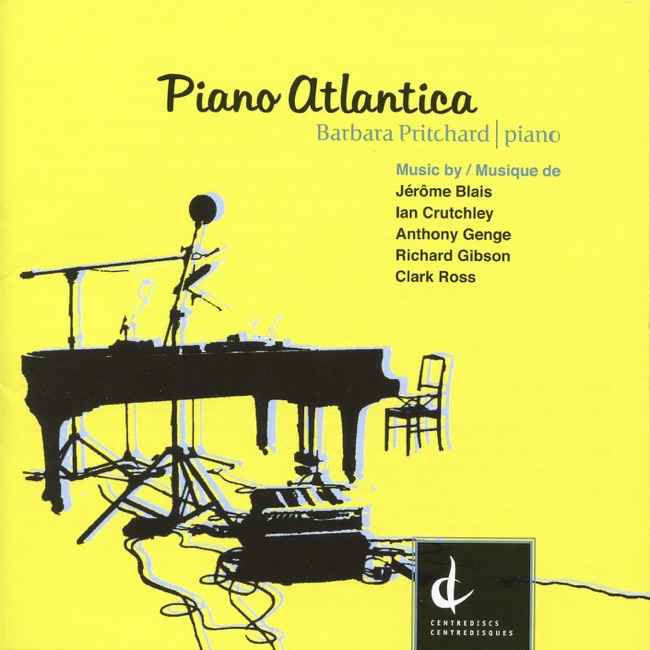 March 30, 2010
Chamber
-
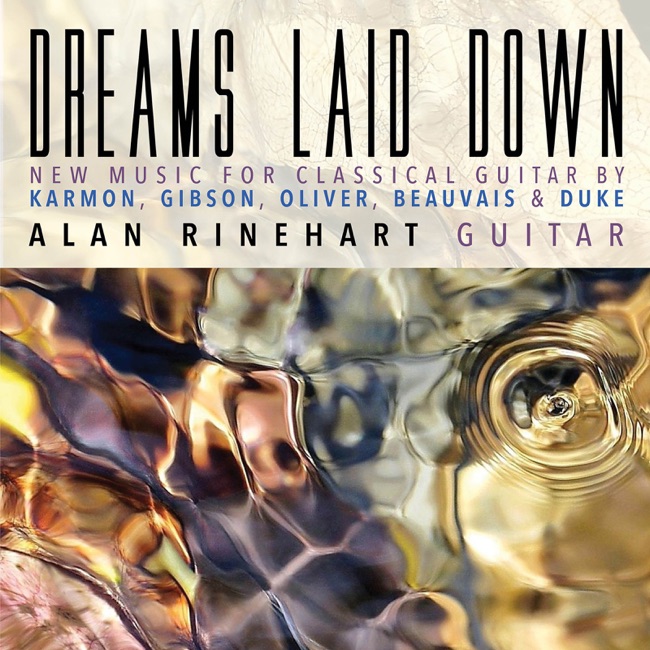 September 14, 2018
Artist Info
Role:ComposerRichard Gibson was a renowned classical music composer who was born on May 3, 1929, in London, England. He was the youngest of three children born to a family of musicians. His father was a violinist, and his mother was a pianist. From a young age, Gibson showed a keen interest in music and began playing the piano at the age of four. Gibson's parents recognized his talent and encouraged him to pursue a career in music. He began taking piano lessons and later studied composition at the Royal Academy of Music in London. During his time at the academy, Gibson was mentored by some of the most prominent composers of the time, including Benjamin Britten and Michael Tippett. After completing his studies, Gibson began working as a freelance composer and quickly gained a reputation for his innovative and experimental approach to classical music. His early works were heavily influenced by the avant-garde movement, and he often incorporated elements of jazz and rock music into his compositions. One of Gibson's most significant early works was his Piano Concerto No. 1, which he composed in 1955. The concerto was well-received by critics and established Gibson as a rising star in the classical music world. Over the next few years, he continued to compose a series of groundbreaking works, including his Symphony No. 1 and his String Quartet No. 1. In the 1960s, Gibson's music began to take on a more introspective and contemplative tone. He became interested in Eastern philosophy and began incorporating elements of Indian classical music into his compositions. This period of his career was marked by works such as his Symphony No. 2 and his Piano Sonata No. 2. Throughout the 1970s and 1980s, Gibson continued to produce a steady stream of works, including several operas and ballets. One of his most notable works from this period was his opera, The Tempest, which was based on the play by William Shakespeare. The opera was well-received by audiences and critics alike and cemented Gibson's reputation as one of the most important composers of his generation. In the 1990s, Gibson's music took on a more minimalist and meditative quality. He began incorporating elements of ambient music into his compositions and experimented with new forms of electronic music. Some of his most notable works from this period include his Symphony No. 3 and his Piano Sonata No. 3. Despite his advancing age, Gibson continued to compose and perform well into his 80s. He remained an active member of the classical music community and was widely regarded as one of the most important and influential composers of the 20th century. Richard Gibson passed away on June 12, 2015, at the age of 86. His legacy lives on through his extensive body of work, which continues to inspire and influence generations of classical music composers and performers.More....
Recent Artist Music

Copyright Ⓒ 2013 Davinci Finger. All rights reseved
Service Terms & Policy