


William Bergsma
Released Album
Orchestral
-
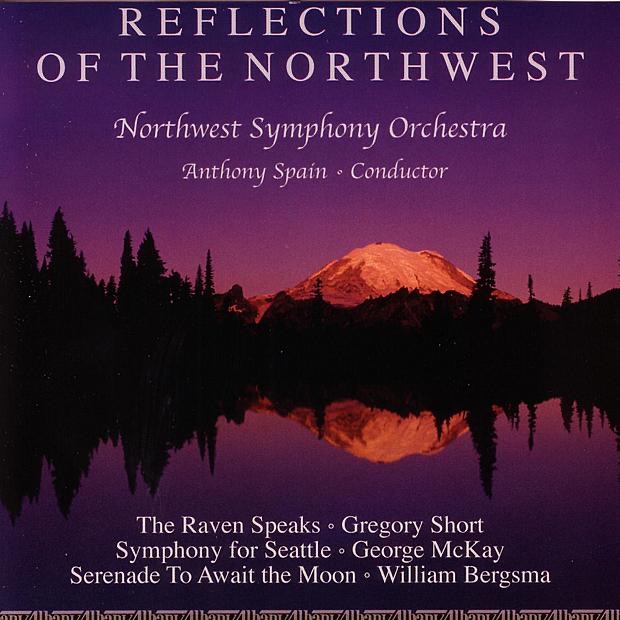 December 12, 1995
 -
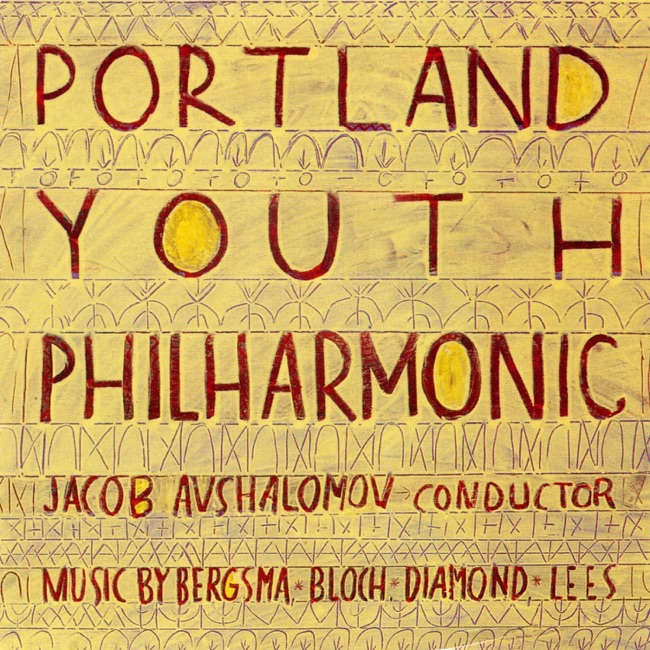 June 13, 1994
Chamber
-
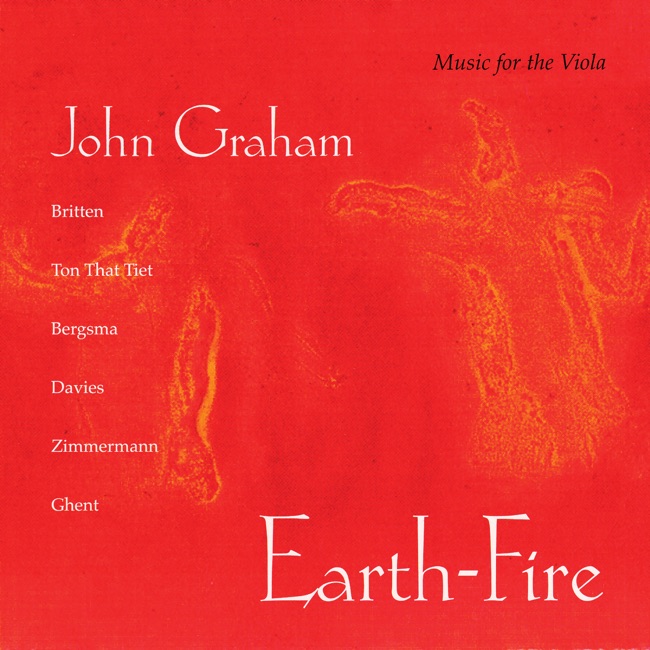 February 1, 2005
Artist Info
Role:ComposerCountry: United States of AmericaBirth:April 1, 1921 in Oakland, CADeath:1994Period:ContemporaryModernGenre:BandChamberConcertoKeyboardWilliam Bergsma was an American composer who was born on June 1, 1921, in Oakland, California. He was the son of a Dutch immigrant father and an American mother. Bergsma grew up in a musical family, and his father was a violinist who played in the San Francisco Symphony. Bergsma began playing the piano at a young age and showed an early talent for music. Bergsma attended the University of California, Berkeley, where he studied composition with Ernest Bloch and Arthur Bliss. He also studied conducting with Pierre Monteux and Hans Swarowsky. After graduating from Berkeley in 1942, Bergsma served in the United States Army during World War II. He was stationed in Europe and played in the army band. After the war, Bergsma returned to the United States and began his career as a composer. He taught at the University of Washington in Seattle from 1948 to 1951 and then at the University of California, Santa Barbara, from 1951 to 1961. In 1961, he joined the faculty of the University of Illinois at Urbana-Champaign, where he taught until his retirement in 1991. Bergsma's music is characterized by its lyricism, rhythmic vitality, and colorful orchestration. He was influenced by a wide range of composers, including Bach, Beethoven, Brahms, Debussy, and Stravinsky. His early works, such as the Symphony No. 1 (1947) and the Piano Concerto No. 1 (1950), are tonal and melodic, with a neoclassical style. In the 1950s, Bergsma began to experiment with serialism and other modernist techniques, as heard in works such as the String Quartet No. 1 (1953) and the Symphony No. 2 (1955). In the 1960s, Bergsma's music became more eclectic, incorporating elements of jazz, rock, and world music. He also began to use electronic instruments and tape manipulation in his compositions. Examples of this style include the Symphony No. 3 (1963) and the Concerto for Piano and Electronic Tape (1967). Bergsma's later works, such as the Symphony No. 4 (1981) and the String Quartet No. 3 (1985), returned to a more tonal and lyrical style. He continued to compose until his death on March 18, 1994, in Urbana, Illinois. Some of Bergsma's most notable works include the opera The Wife of Martin Guerre (1956), which was based on a true story from 16th-century France and was praised for its dramatic intensity and lyrical beauty. His Symphony No. 2 (1955) was commissioned by the Louisville Orchestra and was awarded the New York Music Critics' Circle Award for Best Orchestral Work of the Year. The Concerto for Piano and Electronic Tape (1967) was commissioned by the Fromm Music Foundation and was one of the first works to combine live piano performance with electronic tape manipulation. Bergsma was also a respected teacher and mentor to many young composers. His students included John Corigliano, William Bolcom, and Michael Daugherty, among others. He was a member of the American Academy of Arts and Letters and was awarded numerous honors and awards throughout his career, including a Guggenheim Fellowship and a National Endowment for the Arts grant. In conclusion, William Bergsma was a versatile and innovative composer who made significant contributions to American classical music. His music reflects a wide range of influences and styles, from neoclassicism to serialism to electronic music. His works are characterized by their lyricism, rhythmic vitality, and colorful orchestration.More....
Recent Artist Music
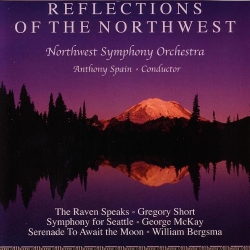
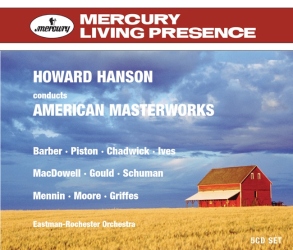
4
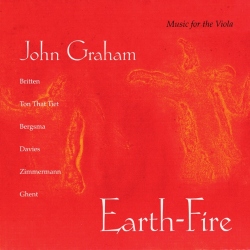
13:22

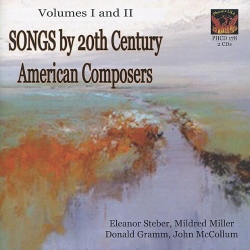
7
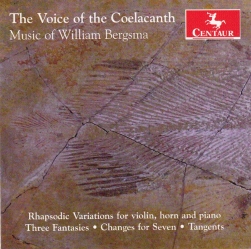
The Voice of the Coelacanth
The Voice of the Coelacanth, Rhapsodic Variations for violin, horn and piano
12:41
Copyright Ⓒ 2013 Davinci Finger. All rights reseved
Service Terms & Policy