


Otto Olsson
Released Album
Keyboard
-
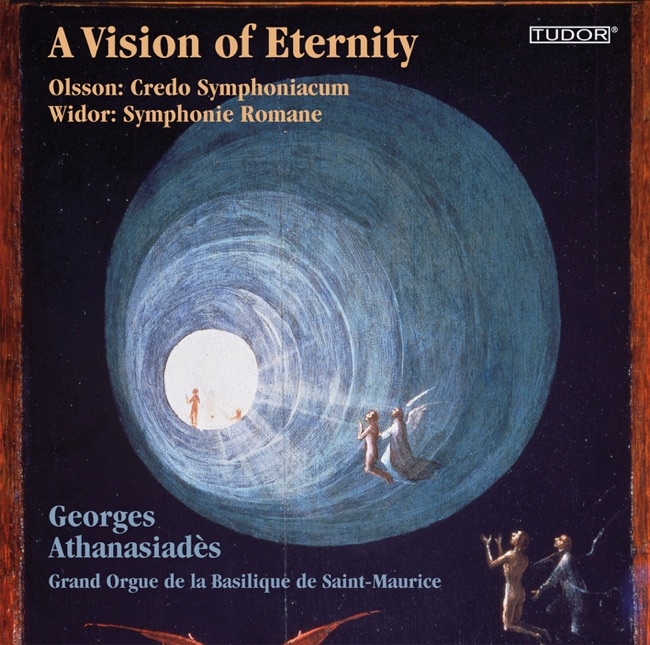 January 14, 2013
 -
 February 23, 2010
 -
 October 24, 2006
 -
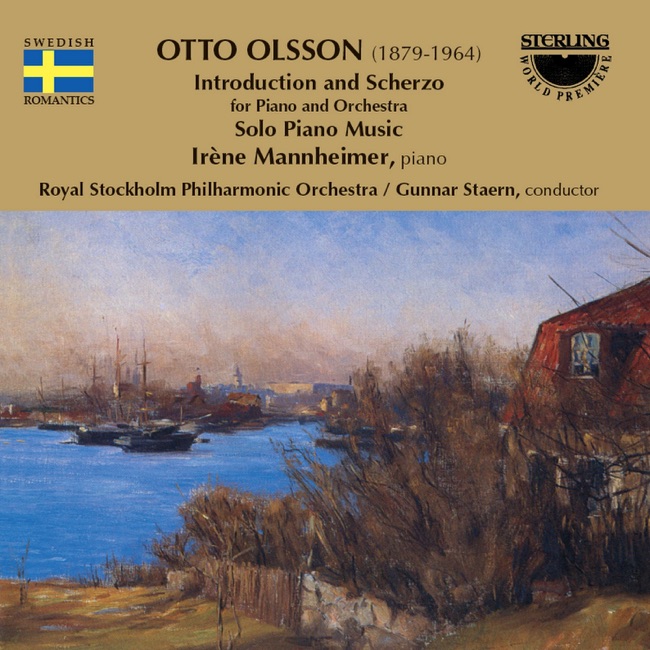 January 17, 2000
 -
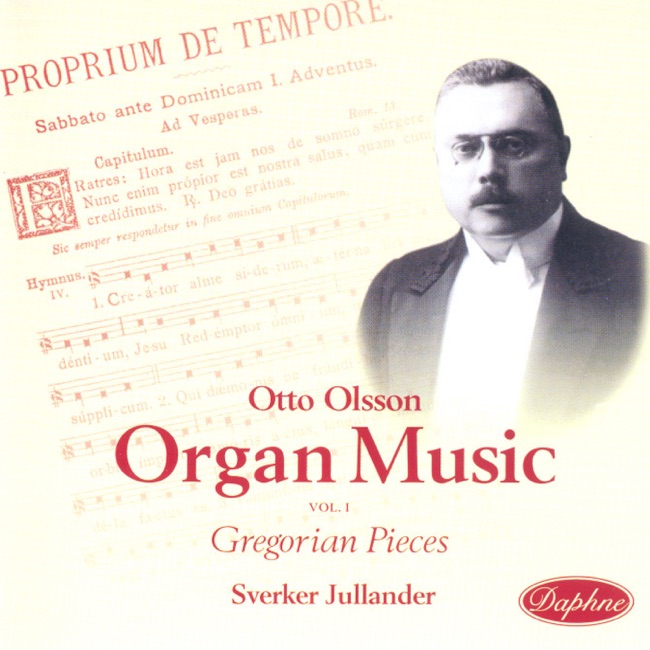 October 26, 1999
 -
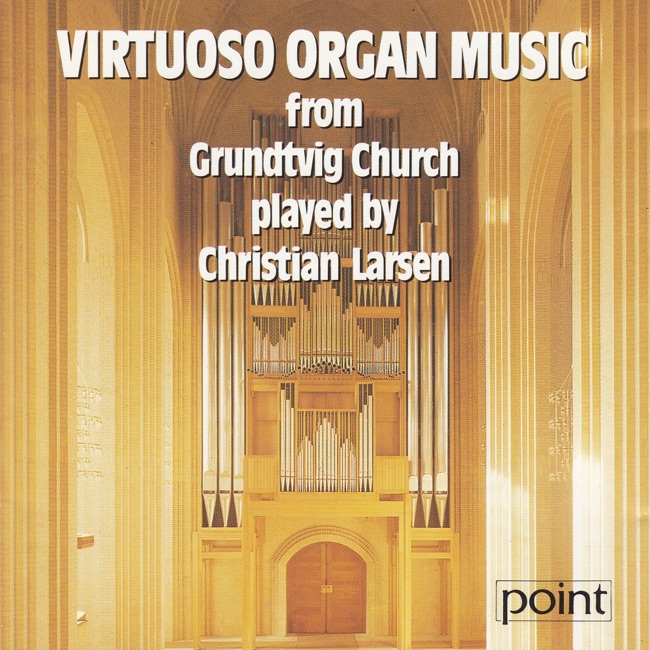 December 15, 1995
Choral
-
 August 1, 2019
 -
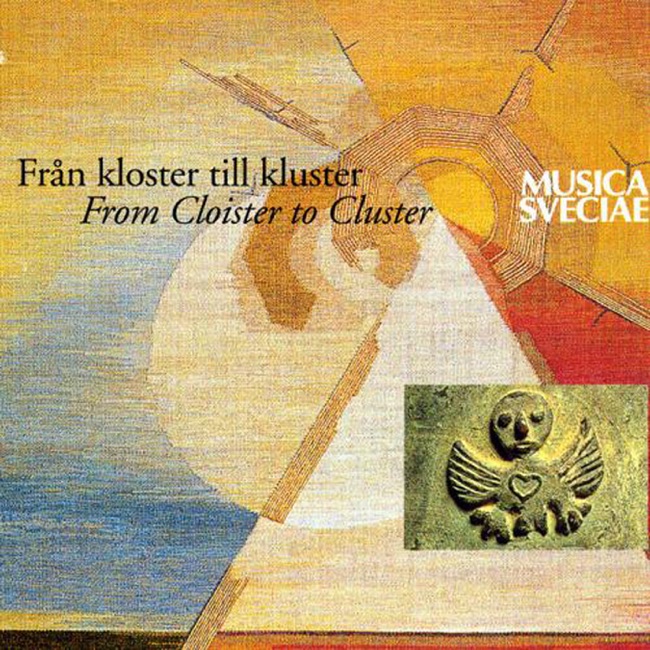 March 1, 2012
 -
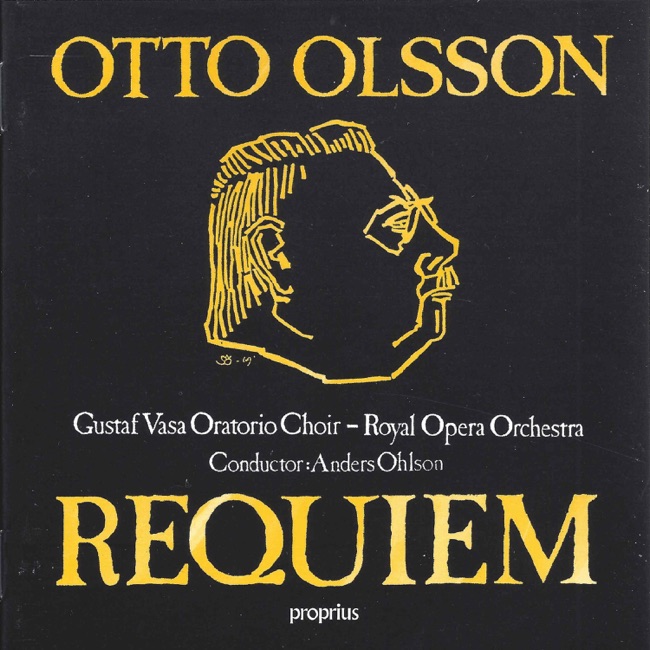 October 31, 2005
 -
 October 8, 2001
 -
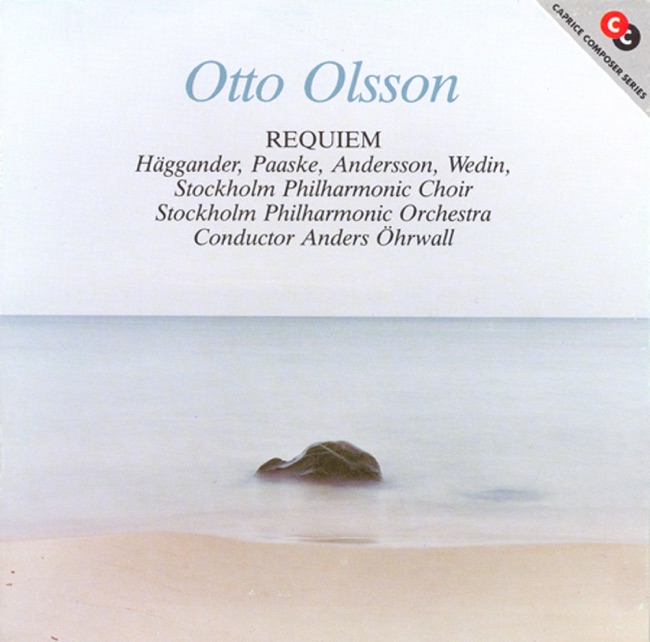 January 1, 1998
 -
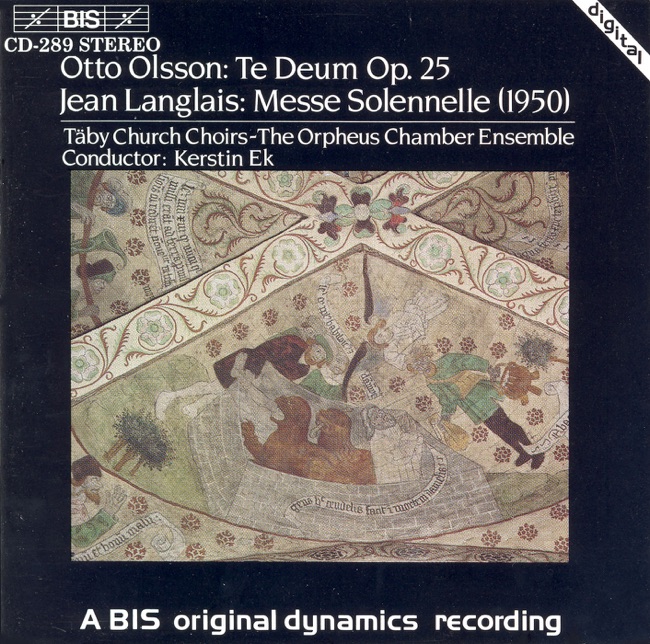 September 22, 1994
Miscellaneous
-
 December 21, 2020
 -
 September 18, 2007
 -
 May 23, 1995
Chamber
-
 November 28, 2000
 -
 September 22, 1994
Artist Info
Role:ComposerCountry: SwedenBirth:December 19, 1879 in Stockholm, SwedenDeath:September 1, 1964 in Stockholm, SwedenPeriod:ModernGenre:ChoralKeyboardOtto Olsson was a Swedish composer and organist who lived from 1879 to 1964. He was born in Stockholm, Sweden, on January 1, 1879, to a family of musicians. His father, Johan Olsson, was a well-known organist and composer, and his mother, Maria, was a singer. Otto showed an early interest in music and began playing the piano at the age of six. He later studied the organ with his father and went on to study composition with Wilhelm Stenhammar and Johan Lindegren. Olsson's musical career began in earnest when he was appointed organist at the Gustaf Vasa Church in Stockholm in 1901. He held this position for over 50 years, during which time he became one of the most respected organists in Sweden. He also taught at the Royal College of Music in Stockholm, where he was a professor of organ and composition from 1914 to 1949. Olsson's compositions are primarily for the organ, but he also wrote choral music, orchestral works, and chamber music. His style is characterized by a blend of traditional and modern elements, with a focus on melody and harmony. His works are often described as lyrical and expressive, with a strong sense of form and structure. One of Olsson's most famous works is his Sonata No. 1 for Organ, which he composed in 1901. This piece is considered a masterpiece of Swedish organ music and is still frequently performed today. It is a four-movement work that showcases Olsson's skill as a composer and his deep understanding of the organ as an instrument. The first movement is a lively and energetic allegro, while the second movement is a slow and contemplative adagio. The third movement is a scherzo, with a playful and rhythmic character, and the final movement is a grand and majestic finale. Another notable work by Olsson is his Symphony No. 2, which he composed in 1929. This piece is scored for a large orchestra and is a powerful and dramatic work that showcases Olsson's skill as an orchestrator. The symphony is in four movements, with the first movement being a grand and majestic introduction. The second movement is a slow and contemplative adagio, while the third movement is a lively and rhythmic scherzo. The final movement is a triumphant and celebratory finale. Olsson also wrote a number of choral works, including his Missa Brevis, which he composed in 1942. This piece is a setting of the Latin Mass and is scored for choir and organ. It is a beautiful and expressive work that showcases Olsson's skill as a composer of choral music. The Missa Brevis is characterized by its rich harmonies and lyrical melodies, and it is still frequently performed by choirs today. In addition to his work as a composer and organist, Olsson was also a respected musicologist and scholar. He wrote extensively on the history of Swedish music and was a leading authority on the works of Johan Helmich Roman, a Swedish composer from the 18th century. Olsson's research and scholarship helped to bring attention to the rich musical heritage of Sweden and helped to establish the country as an important center of classical music. Otto Olsson died on August 1, 1964, at the age of 85. He left behind a rich legacy of music and scholarship, and his works continue to be performed and admired by musicians and audiences around the world. His contributions to the world of classical music have helped to shape the course of Swedish music and have established him as one of the most important composers of the 20th century.More....
Recent Artist Music
1
11:
13
Symphony for organ No. 2, Op. 50 "Credo Symphoniacum"
Credo in unum Deum: Introduction and Allegro
13:49
Copyright Ⓒ 2013 Davinci Finger. All rights reseved
Service Terms & Policy