


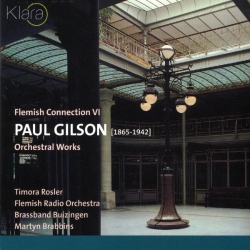
Paul Gilson
Released Album
Orchestral
-
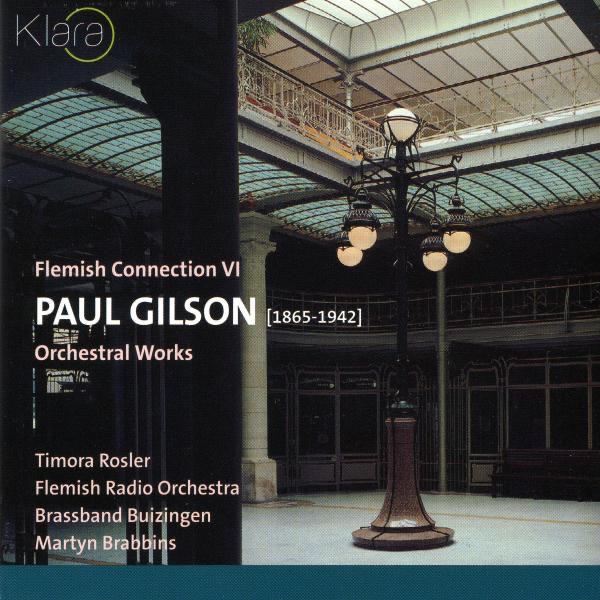 May 29, 2007
 -
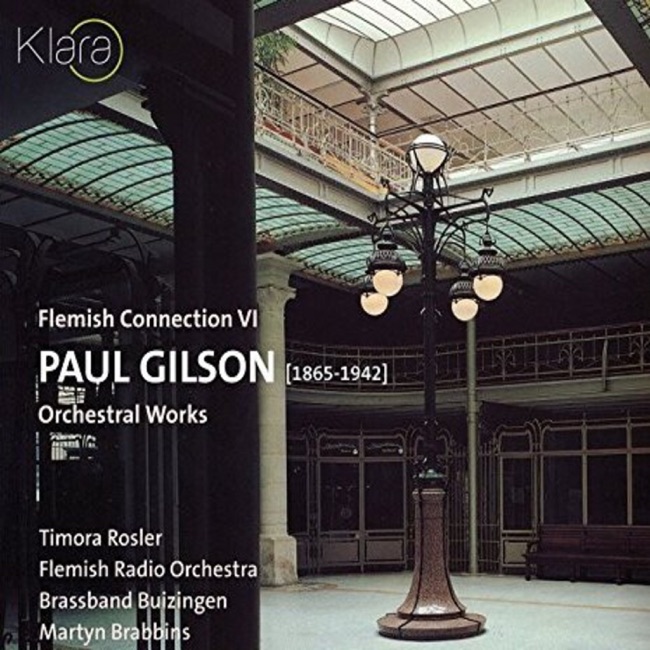
Chamber
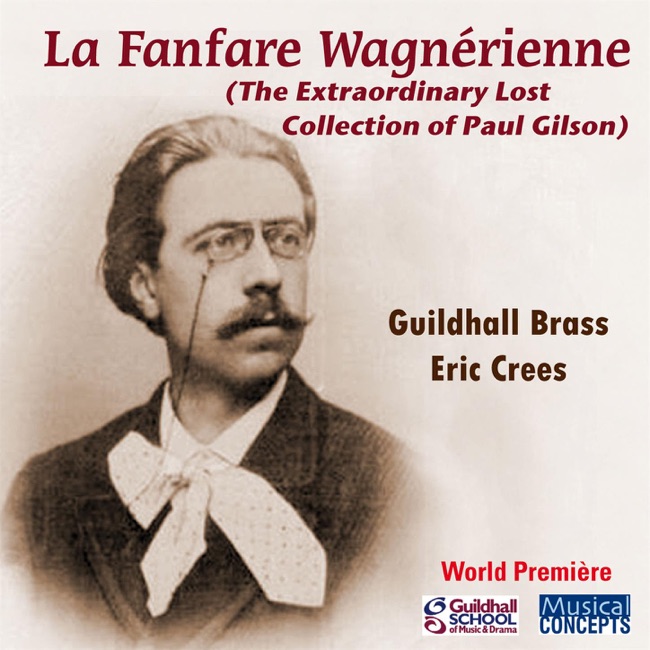

Artist Info
Role:ComposerBirth:June 15, 1865 in Brussels, BelgiumDeath:April 3, 1942Period:ModernGenre:ChamberConcertoOrchestralPaul Gilson was a Belgian composer born on June 15, 1865, in Brussels. He was the son of a music teacher and grew up in a musical family. His father, Gustave Gilson, was a violinist and conductor, and his mother, Marie-Louise, was a pianist. Paul Gilson showed an early interest in music and began studying the piano and violin at a young age. Gilson's musical education began at the Brussels Conservatory, where he studied composition with François-Auguste Gevaert and violin with César Thomson. He also studied harmony and counterpoint with Joseph Dupont and orchestration with Hubert Ferdinand Kufferath. Gilson was a talented student and won several prizes during his time at the conservatory. After completing his studies, Gilson began his career as a composer and conductor. He founded the Société des Concerts du Conservatoire de Bruxelles in 1894, which became one of the leading orchestras in Belgium. He also conducted the orchestra of the Théâtre Royal de la Monnaie in Brussels and was a professor of composition at the Brussels Conservatory. Gilson's music was influenced by the French and Belgian schools of composition, particularly by the works of César Franck and Vincent d'Indy. He was also interested in folk music and incorporated elements of Belgian and Breton folk music into his compositions. One of Gilson's most famous works is his Symphony No. 1 in D minor, Op. 27, which he composed in 1893. The symphony is in four movements and features a rich orchestration and a strong sense of drama. The work was well-received and helped establish Gilson as one of the leading composers of his time. Gilson also composed several operas, including La Captive, which premiered in 1903. The opera is based on a poem by Victor Hugo and tells the story of a woman who is imprisoned for political reasons. The work features a lush orchestration and a strong sense of melody. In addition to his orchestral and operatic works, Gilson also composed chamber music and choral music. His String Quartet No. 1 in G minor, Op. 16, is a particularly notable work and features a strong sense of lyricism and a rich harmonic language. Gilson's career was cut short by his untimely death in 1942. However, his music continues to be performed and appreciated today. His contributions to Belgian music and his innovative approach to composition have earned him a place in the pantheon of great composers.More....
Recent Artist Music



Copyright Ⓒ 2013 Davinci Finger. All rights reseved
Service Terms & Policy