


Jēkabs Jančevskis
Artist Info
Role:ComposerBirth:April 18, 1992 in Riga, LatviaJēkabs Jančevskis was a Latvian composer who lived from 1888 to 1965. He was born in the small town of Kuldīga, which is located in western Latvia. Jančevskis showed an early interest in music, and he began studying piano and composition at a young age. Jančevskis continued his musical education at the St. Petersburg Conservatory, where he studied under some of the most prominent composers of the time, including Nikolai Rimsky-Korsakov and Anatoly Lyadov. After completing his studies, Jančevskis returned to Latvia and began working as a music teacher. Jančevskis' early compositions were heavily influenced by the folk music of Latvia, and he often incorporated traditional Latvian melodies and rhythms into his works. One of his most famous early works is the "Latvian Rhapsody," which was composed in 1919 and is still performed today. In the 1920s and 1930s, Jančevskis continued to compose music that was inspired by Latvian folk traditions, but he also began to experiment with more modern styles and techniques. He was particularly interested in the music of the French composer Claude Debussy, and he incorporated elements of Debussy's impressionistic style into his own compositions. One of Jančevskis' most famous works from this period is the "Symphony No. 1," which was composed in 1935. The symphony is notable for its use of Latvian folk melodies and rhythms, as well as its incorporation of modern harmonies and orchestration. During World War II, Jančevskis was forced to flee Latvia due to the Soviet occupation. He spent several years living in Germany and Austria before eventually settling in the United States in 1949. Despite the upheaval in his personal life, Jančevskis continued to compose music throughout this period. In the United States, Jančevskis became involved with the Latvian-American community and began to compose music that was specifically tailored to their tastes and interests. He also continued to experiment with modern styles and techniques, and he incorporated elements of jazz and other popular music into his compositions. One of Jančevskis' most famous works from this period is the "Concerto for Piano and Orchestra," which was composed in 1955. The concerto is notable for its use of jazz-inspired harmonies and rhythms, as well as its virtuosic piano writing. Jančevskis continued to compose music until his death in 1965. His legacy as a composer is still felt in Latvia today, where his works are regularly performed and celebrated. Jančevskis' music is notable for its fusion of traditional Latvian folk traditions with modern styles and techniques, and for its ability to capture the spirit and essence of Latvian culture.More....
Recent Artist Music
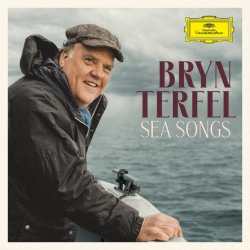
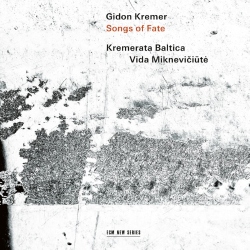
Copyright Ⓒ 2013 Davinci Finger. All rights reseved
Service Terms & Policy