


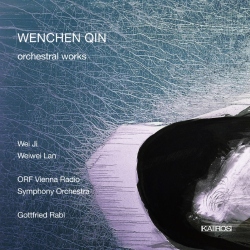
Qin Wen-chen
Released Album
Concerto

Orchestral
-
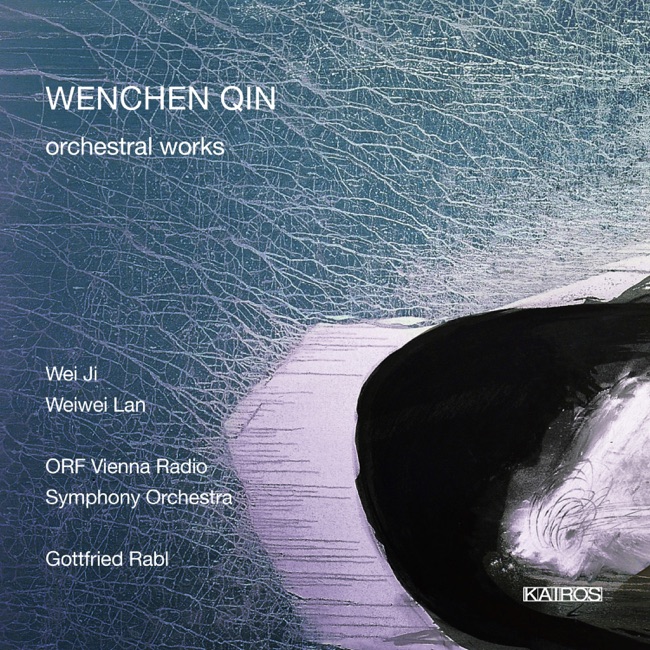 May 1, 2020
Chamber
-
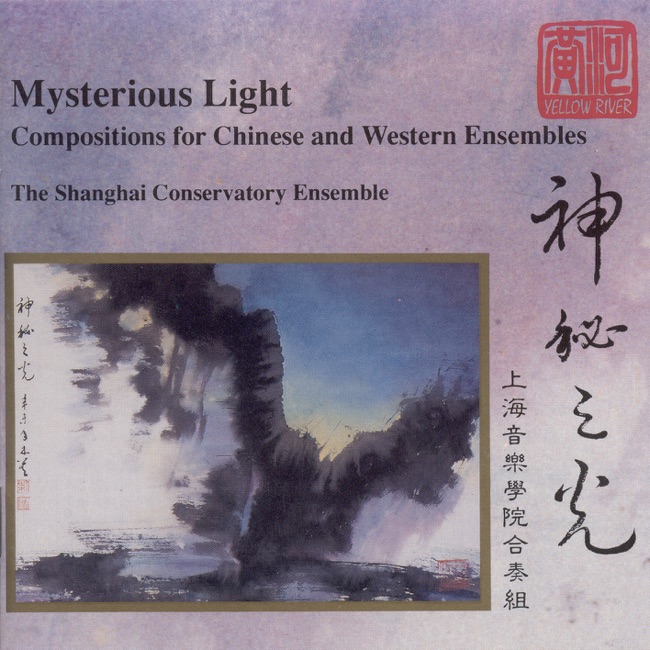 January 22, 2002
Artist Info
Role:ComposerBirth:1966 in Inner MongoliaGenre:ChamberQin Wen-chen was a Chinese composer who was born on December 28, 1922, in Shanghai, China. He was the son of a wealthy businessman and grew up in a family that valued education and culture. Qin showed an early interest in music and began studying the piano at the age of six. He later studied composition with the renowned composer Xian Xinghai. Qin's musical career began in the 1940s when he started composing music for films. He quickly gained a reputation as a talented composer and was soon working on some of the most popular films of the time. In 1949, Qin moved to Beijing to work for the Central Philharmonic Society, where he composed music for the orchestra and conducted performances. In the 1950s, Qin became interested in traditional Chinese music and began incorporating elements of it into his compositions. He also began to experiment with new forms and techniques, such as serialism and aleatoric music. Qin's music during this period was characterized by its use of traditional Chinese instruments, such as the erhu and pipa, and its incorporation of Chinese folk melodies. One of Qin's most famous works from this period is his "Symphony No. 1," which was composed in 1956. The symphony is a fusion of Western classical music and traditional Chinese music and is considered a landmark work in Chinese classical music. The symphony was well-received both in China and abroad and helped to establish Qin as one of the leading composers of his generation. In the 1960s, Qin's career was interrupted by the Cultural Revolution, which saw many artists and intellectuals persecuted and imprisoned. Qin was forced to stop composing and was sent to a labor camp in the countryside. He spent several years there, enduring harsh conditions and working long hours in the fields. Despite the difficulties he faced, Qin continued to compose music in secret during this period. He would write down his compositions on scraps of paper and hide them in his clothing or bury them in the ground. After the end of the Cultural Revolution in 1976, Qin was able to return to Beijing and resume his career as a composer. In the years that followed, Qin continued to compose music that blended Western classical music with traditional Chinese music. He also began to incorporate elements of jazz and other Western styles into his compositions. One of his most famous works from this period is his "Concerto for Erhu and Orchestra," which was composed in 1982. The concerto is a virtuosic showcase for the erhu, a traditional Chinese instrument, and is considered one of the most important works in the erhu repertoire. Qin's music has been performed by orchestras and ensembles around the world, and he has received numerous awards and honors for his contributions to Chinese classical music. He was a member of the Chinese Musicians' Association and served as the chairman of the Chinese National Orchestra. He also taught composition at the Central Conservatory of Music in Beijing. Qin Wen-chen passed away on December 21, 1997, at the age of 75. He left behind a legacy of innovative and influential music that continues to inspire and captivate audiences today. His music is a testament to the power of cross-cultural exchange and the ability of music to transcend boundaries and bring people together.More....
Recent Artist Music
2
7:50
Copyright Ⓒ 2013 Davinci Finger. All rights reseved
Service Terms & Policy