


Andres Isasi
Released Album
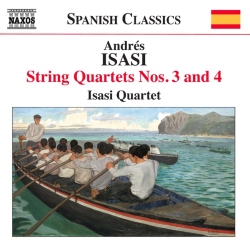
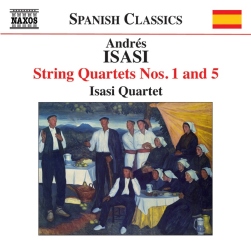
Chamber
-
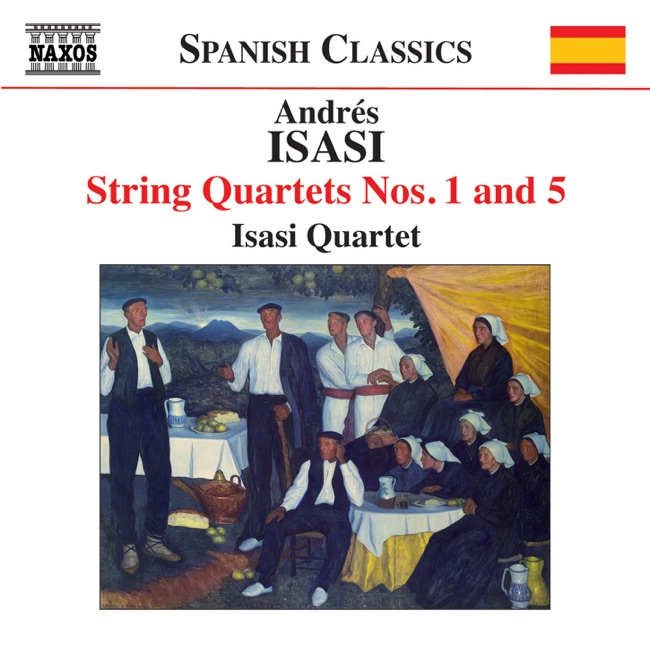 April 14, 2015
 -
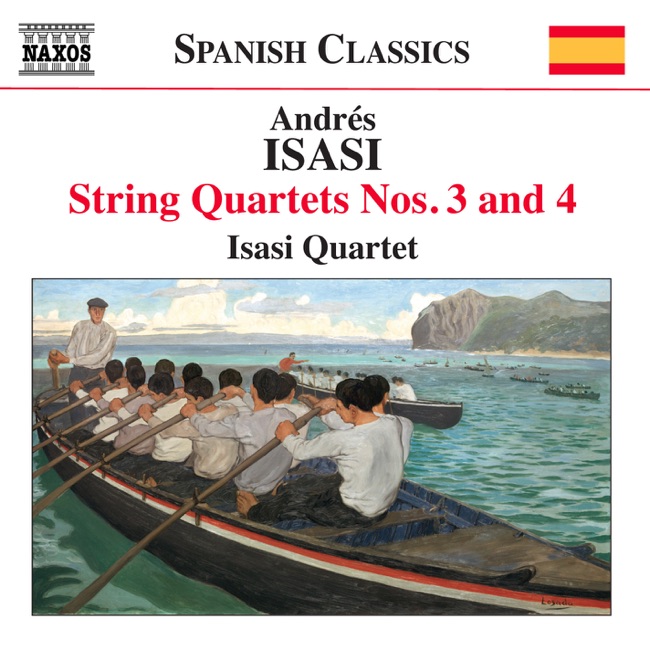 November 4, 2013
 -
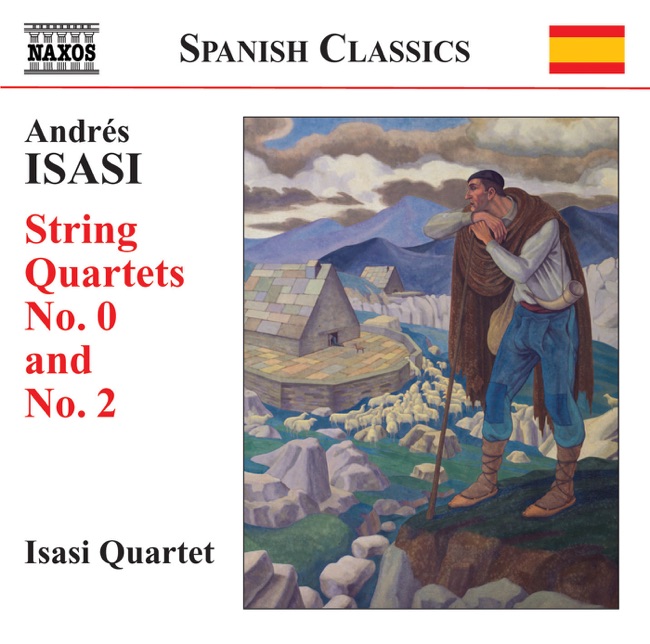 July 2, 2012
Orchestral
-
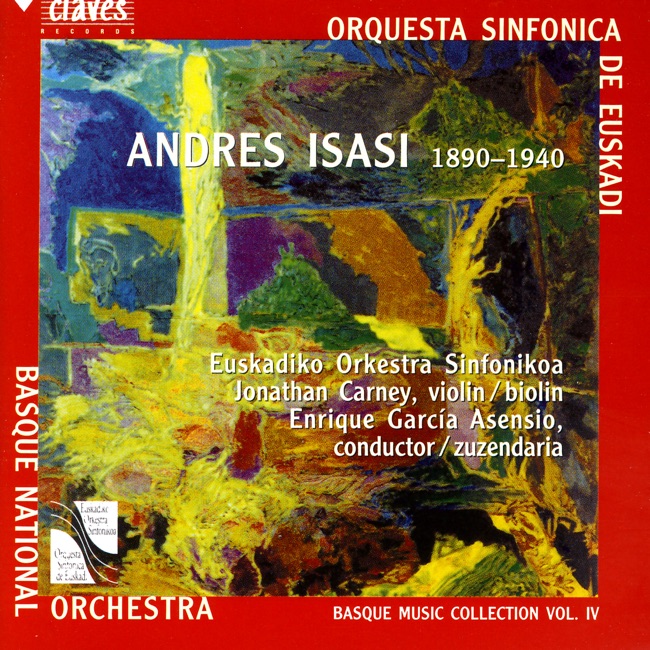 January 29, 2002
Symphony
-
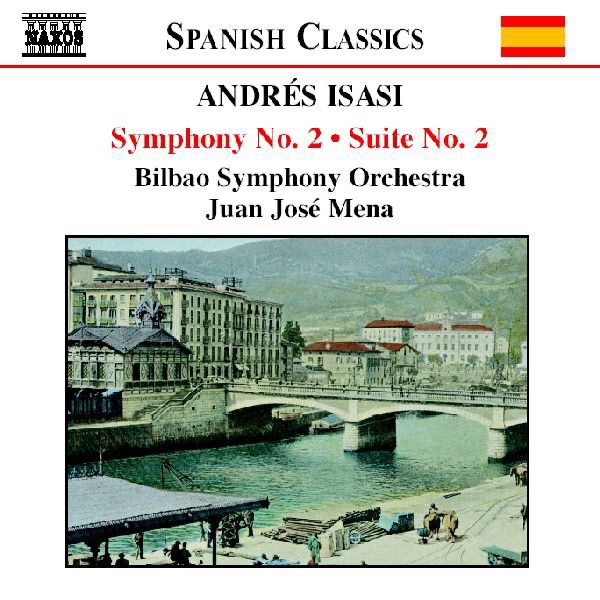 July 20, 2004
Artist Info
Role:ComposerCountry: SpainBirth:October 18, 1890 in Bilbao, SpainDeath:April 6, 1940 in AlgortaPeriod:ModernGenre:ConcertoOrchestralAndres Isasi (1890-1940) was a Spanish composer who is known for his contributions to classical music during the early 20th century. Born in Bilbao, Spain, on October 22, 1890, Isasi was the son of a wealthy family who encouraged his musical interests from a young age. He began studying piano and composition at the age of six, and by the time he was a teenager, he had already composed several works for piano and orchestra. Isasi's early musical education was influenced by the Romantic composers of the 19th century, particularly Chopin and Liszt. However, he also had a strong interest in the music of his native Basque region, which he incorporated into his compositions. In 1908, Isasi moved to Paris to study at the Conservatoire de Paris, where he studied composition with Gabriel Fauré and piano with Louis Diémer. During his time in Paris, Isasi was exposed to the music of Debussy, Ravel, and other French composers, which had a significant impact on his own compositions. Isasi's early works were heavily influenced by Romanticism, but he began to develop his own style in the years following his studies in Paris. His music became more modern and experimental, incorporating elements of impressionism and atonality. Isasi's compositions were often characterized by their complex harmonies, intricate rhythms, and use of unconventional instruments. One of Isasi's most notable works is his Symphony No. 1, which he composed in 1917. The symphony is a four-movement work that showcases Isasi's skill as a composer. The first movement is a lively and energetic allegro, while the second movement is a slow and melancholic adagio. The third movement is a scherzo that features a lively and playful melody, and the final movement is a triumphant allegro that brings the symphony to a rousing conclusion. Isasi also composed several works for solo piano, including his Suite Española, which he composed in 1915. The suite is a collection of six pieces that are inspired by Spanish folk music. Each piece is named after a different region of Spain and features a unique melody and rhythm. The suite is a testament to Isasi's ability to incorporate traditional Spanish music into his compositions while still maintaining his own unique style. In addition to his compositions, Isasi was also a respected conductor and pianist. He conducted several orchestras throughout his career, including the Bilbao Symphony Orchestra and the Madrid Symphony Orchestra. Isasi was also a sought-after pianist, and he often performed his own compositions in concert. Isasi's career was cut short when he died suddenly in 1940 at the age of 49. Despite his relatively short career, Isasi left behind a significant body of work that continues to be performed and admired today. His contributions to classical music during the early 20th century helped to shape the direction of modern classical music, and his unique style and incorporation of traditional Spanish music into his compositions continue to inspire musicians and composers around the world.More....
Recent Artist Music


Copyright Ⓒ 2013 Davinci Finger. All rights reseved
Service Terms & Policy