


Johann Nepomuk David
Released Album
Choral
-
 November 18, 2014
 -
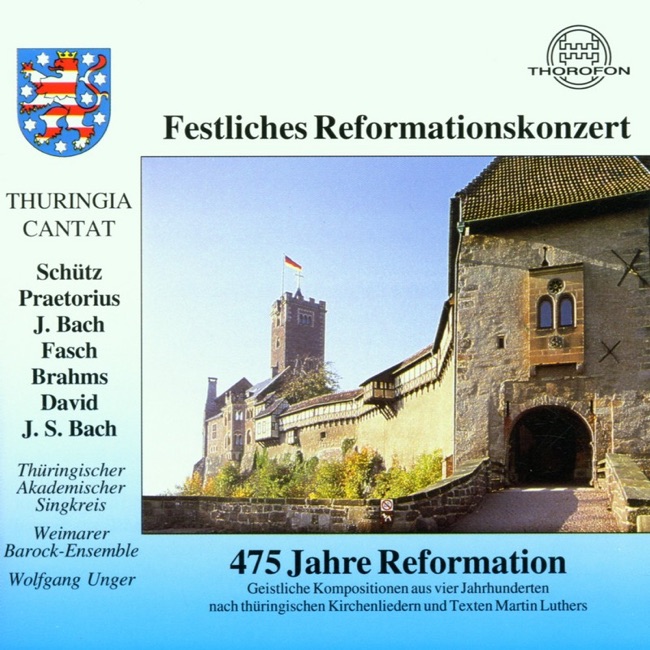
-
 September 23, 1994
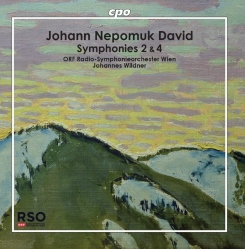
Symphony
-
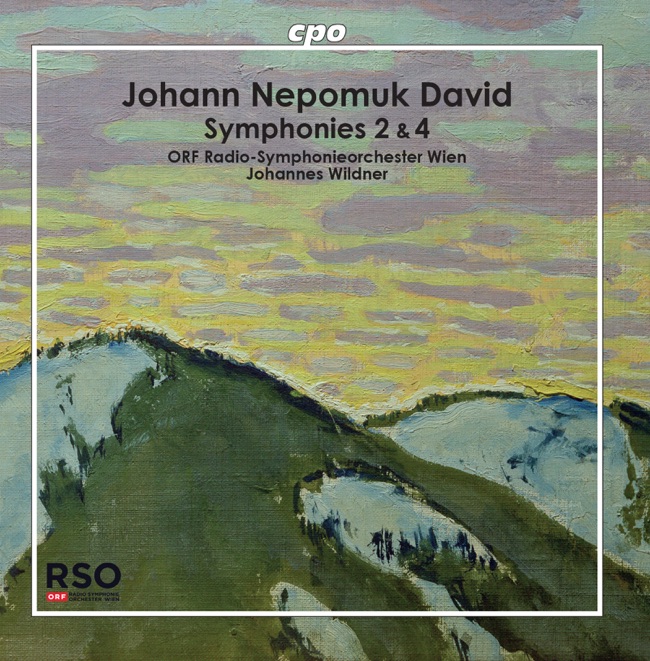 May 4, 2018
 -
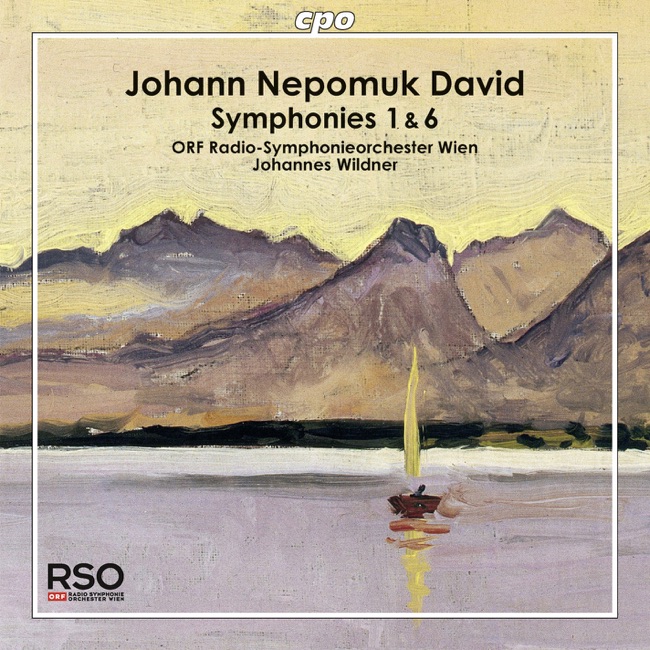 January 31, 2014
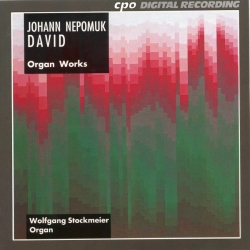
Keyboard
-
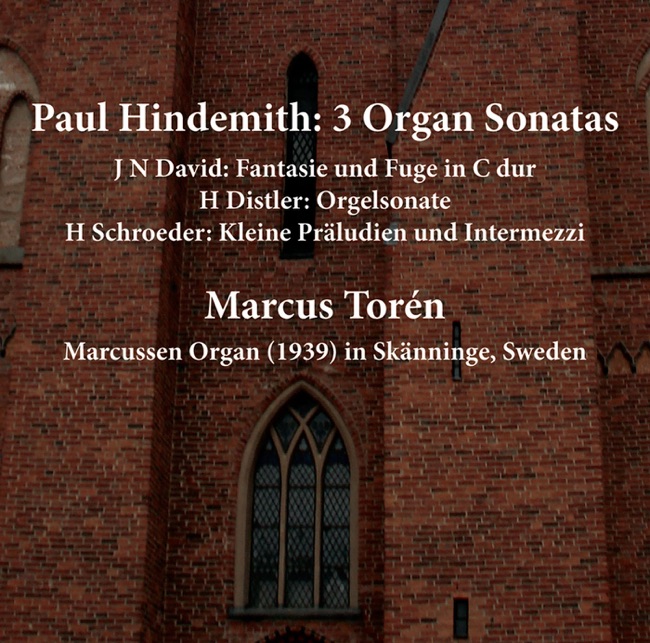 August 28, 2012
 -
 January 1, 2000
Chamber
-
 October 22, 2021
 -
 March 5, 2010
Artist Info
Role:ComposerBirth:November 30, 1895 in Eferding, Upper AustriaDeath:December 22, 1977 in Stuttgart, GermanyPeriod:ModernGenre:ChoralKeyboardJohann Nepomuk David was a prominent Austrian composer of the 20th century, known for his contributions to the classical music genre. Born on January 30, 1895, in the town of Felsberg, Austria, David was the son of a schoolteacher and a musician. His father, Johann David, was a choir director and organist, and his mother, Maria, was a singer. Growing up in a musical family, David was exposed to music from an early age and showed a natural talent for it. David began his formal music education at the age of 10, when he started taking piano lessons. He later studied composition and theory at the Vienna Conservatory, where he was a student of Franz Schmidt. After completing his studies, David worked as a music teacher and conductor in various towns in Austria, including Graz, Linz, and Salzburg. David's early compositions were heavily influenced by the music of his teacher, Franz Schmidt, as well as by the works of other composers of the late Romantic period, such as Gustav Mahler and Richard Strauss. However, as he matured as a composer, David developed his own unique style, which was characterized by a blend of traditional tonality and modernist techniques. One of David's most significant works is his Symphony No. 1, which he composed in 1929. The symphony is a large-scale work that showcases David's skill as a composer and his ability to create complex musical structures. The piece is divided into four movements, each of which explores different musical themes and motifs. The symphony was well-received by audiences and critics alike and helped establish David as a major figure in the classical music world. In addition to his symphonies, David also composed a number of other works, including chamber music, choral music, and operas. One of his most famous operas is "Die Weberischen," which he composed in 1949. The opera is based on a play by Carl Sternheim and tells the story of a wealthy family and their servants. The work is notable for its use of modernist techniques, such as atonality and dissonance, which were not commonly used in opera at the time. David's music was often characterized by its emotional intensity and its exploration of complex themes and ideas. He was particularly interested in exploring the relationship between music and spirituality, and many of his works reflect this interest. For example, his Symphony No. 2, which he composed in 1935, is a deeply spiritual work that explores themes of redemption and transcendence. Despite his success as a composer, David's career was not without its challenges. During World War II, he was forced to flee Austria due to his Jewish heritage and spent several years living in exile in Switzerland. After the war, he returned to Austria and continued to compose and teach music until his death in 1977. Today, Johann Nepomuk David is remembered as one of the most important composers of the 20th century. His music continues to be performed and studied by musicians and scholars around the world, and his contributions to the classical music genre are widely recognized and celebrated.More....
Recent Artist Music

2
5:12
3

3:9
4

5:33



Copyright Ⓒ 2013 Davinci Finger. All rights reseved
Service Terms & Policy