


Pete Townshend
Released Album
Opera
Vocal
-
 October 17, 1995
Chamber
-
 October 4, 2005
Artist Info
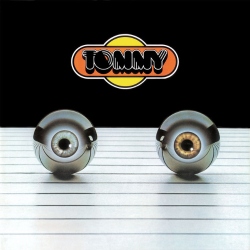
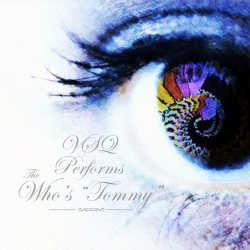
Role:Composer ConductorCountry: United KingdomBirth:May 19, 1945 in Chiswick, London, EnglandPete Townshend is a renowned English musician, composer, and songwriter who is best known as the lead guitarist and principal songwriter of the legendary rock band, The Who. Born on May 19, 1945, in Chiswick, London, Townshend was the son of a professional saxophonist and a singer. He grew up in a musical family and was exposed to a wide range of music genres from an early age. Townshend's interest in music began when he was just a child. He started playing the guitar at the age of 12 and was soon writing his own songs. He attended Ealing Art College in London, where he studied graphic design and met future bandmate, John Entwistle. In 1961, Townshend formed his first band, The Confederates, which later became The Detours. The band consisted of Townshend on guitar, Roger Daltrey on vocals, John Entwistle on bass, and Keith Moon on drums. The Detours played in local clubs and pubs, and their sound was heavily influenced by American rhythm and blues. In 1964, the band changed their name to The Who and released their first single, "I Can't Explain," which became a hit in the UK. The band's popularity grew rapidly, and they became known for their energetic live performances and Townshend's innovative guitar playing. Townshend's songwriting skills were a major factor in The Who's success. He wrote many of the band's most famous songs, including "My Generation," "Pinball Wizard," and "Won't Get Fooled Again." His compositions were characterized by their powerful guitar riffs, catchy melodies, and thought-provoking lyrics. In addition to his work with The Who, Townshend also pursued a solo career. He released his first solo album, "Who Came First," in 1972, which featured a collection of demos and unreleased tracks. He went on to release several more solo albums, including "Empty Glass" (1980) and "All the Best Cowboys Have Chinese Eyes" (1982). Townshend's musical style evolved over the years, and he experimented with different genres and techniques. He was one of the first rock musicians to incorporate synthesizers into his music, and he also explored the use of orchestral arrangements. His later works were more introspective and personal, dealing with themes such as spirituality, love, and aging. One of Townshend's most notable works is the rock opera, "Tommy," which was released in 1969. The album tells the story of a deaf, dumb, and blind boy who becomes a pinball champion and a spiritual leader. The album was a critical and commercial success and is considered one of the greatest rock albums of all time. It was later adapted into a film and a stage musical. Townshend also composed several other rock operas, including "Quadrophenia" (1973) and "The Iron Man" (1989). "Quadrophenia" tells the story of a young mod who struggles with identity and belonging, while "The Iron Man" is based on a children's book by Ted Hughes and tells the story of a giant metal robot who comes to life. In addition to his musical career, Townshend has also been involved in various philanthropic and humanitarian causes. He has been a vocal advocate for children's rights and has worked with organizations such as the Teenage Cancer Trust and the National Society for the Prevention of Cruelty to Children. He was also a supporter of the Meher Baba spiritual movement and incorporated its teachings into his music. In conclusion, Pete Townshend is a highly influential and innovative composer who has made a significant contribution to the world of music.More....
Copyright Ⓒ 2013 Davinci Finger. All rights reseved
Service Terms & Policy