


Boris Goltz
Artist Info
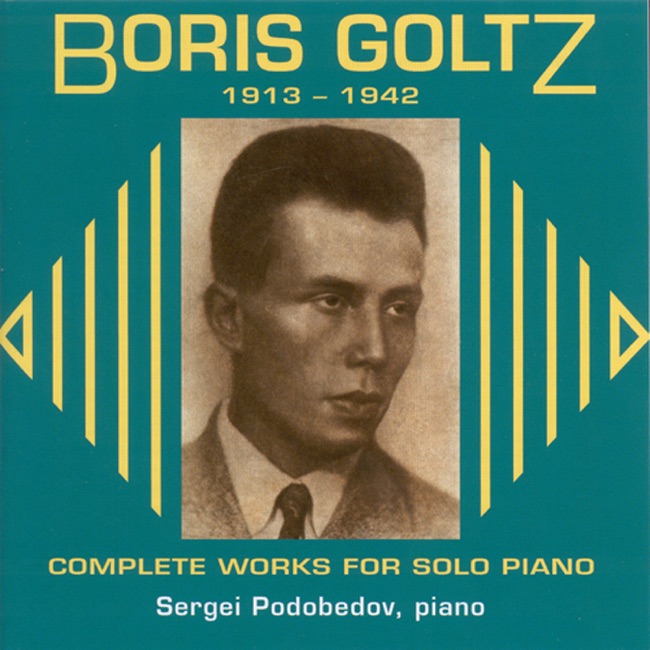
Role:ComposerCountry: RussiaBirth:December 29, 1913 in Tashkent, UzbekistanDeath:March 3, 1942 in Leningrad, RussiaBoris Goltz was a Russian composer who was born on December 25, 1913, in Moscow. He was born into a family of musicians, and his father was a well-known composer and conductor. Goltz began his musical education at a young age, studying piano and composition with his father. He later studied at the Moscow Conservatory, where he was a student of Nikolai Myaskovsky. Goltz's early works were heavily influenced by the Russian classical tradition, and he was known for his use of folk melodies and rhythms in his compositions. He was also interested in the music of other cultures, and he incorporated elements of Eastern European and Middle Eastern music into his works. One of Goltz's most significant works is his Symphony No. 1, which he composed in 1939. The symphony is a powerful and emotional work that reflects the turmoil of the time in which it was written. It was well-received by audiences and critics alike, and it established Goltz as a major figure in the Russian classical music scene. During World War II, Goltz served in the Soviet Army as a composer and conductor. He wrote music for propaganda films and composed patriotic songs that were performed by soldiers on the front lines. After the war, he returned to Moscow and continued to compose and teach at the Moscow Conservatory. In the 1950s, Goltz's music began to evolve, and he became interested in serialism and other modernist techniques. He was one of the first Russian composers to embrace these new styles, and his works from this period are characterized by their complex rhythms and dissonant harmonies. One of Goltz's most famous works from this period is his String Quartet No. 2, which he composed in 1956. The quartet is a challenging and innovative work that showcases Goltz's mastery of modernist techniques. It was well-received by audiences and critics alike, and it established Goltz as a leading figure in the avant-garde music scene. In the 1960s, Goltz's music became more experimental, and he began to incorporate electronic and aleatoric elements into his compositions. He was also interested in the music of the Far East, and he incorporated elements of Japanese and Chinese music into his works. One of Goltz's most significant works from this period is his Symphony No. 3, which he composed in 1965. The symphony is a complex and challenging work that incorporates electronic and aleatoric elements. It was well-received by audiences and critics alike, and it established Goltz as a leading figure in the experimental music scene. Goltz continued to compose and teach until his death in 1942. He was a prolific composer who wrote in a variety of styles, and his works continue to be performed and studied today. He was a major figure in the Russian classical music scene, and his contributions to the development of modernist and experimental music have had a lasting impact on the world of classical music.More....
Recent Artist Music
Copyright Ⓒ 2013 Davinci Finger. All rights reseved
Service Terms & Policy