


Klaas de Vries
Released Album
Chamber
-
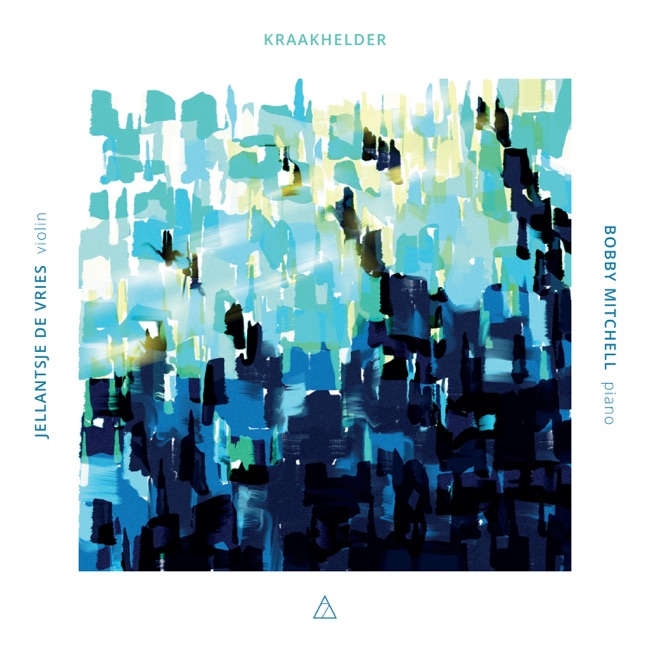 April 15, 2022
 -
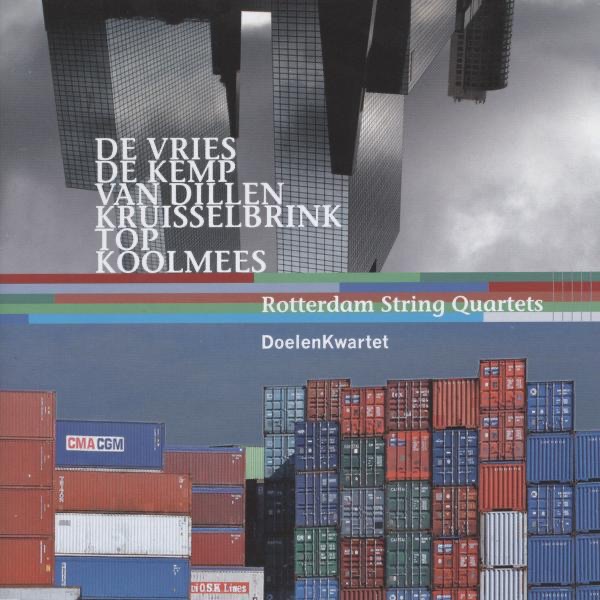 December 18, 2007
 -
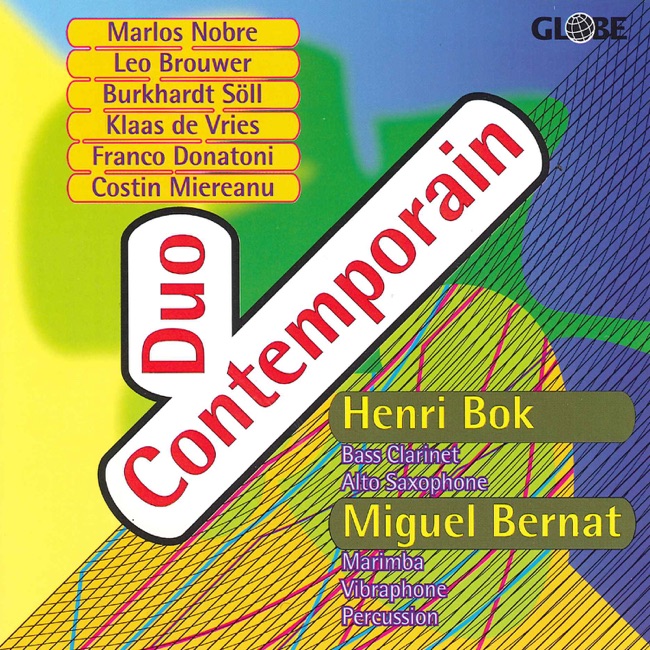 March, 1999
Orchestral
-
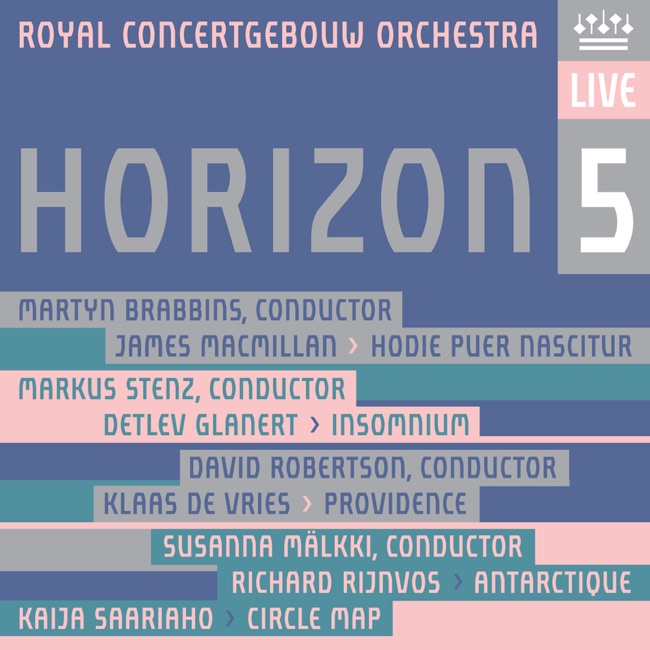 May 5, 2014
Keyboard
-
 November 6, 2007
Artist Info
Role:ComposerBirth:1944Genre:ChamberChoralKlaas de Vries is a Dutch composer who was born on January 1, 1944, in Terneuzen, a small town in the southwestern part of the Netherlands. He grew up in a musical family, with his father being a church organist and his mother a singer. From a young age, de Vries showed a keen interest in music, and he began playing the piano and the violin at the age of six. De Vries studied music at the Royal Conservatory in The Hague, where he was taught by the renowned Dutch composer Louis Andriessen. He also studied composition with Ton de Leeuw and electronic music with Dick Raaijmakers. After completing his studies, de Vries worked as a music teacher and a freelance composer. De Vries's early works were influenced by the avant-garde music of the 1960s and 1970s, and he was associated with the Dutch "New Complexity" movement, which emphasized complex rhythms, intricate textures, and unconventional notation. His early works include "Trio for Violin, Cello, and Piano" (1970), "String Quartet No. 1" (1972), and "Piano Sonata No. 1" (1973). In the 1980s, de Vries's style began to evolve, and he started to incorporate more tonal elements into his music. He also began to explore the possibilities of electronic music, and he created several works that combined acoustic instruments with electronic sounds. Some of his notable works from this period include "Concerto for Piano and Orchestra" (1983), "String Quartet No. 2" (1985), and "Music for 3 Pianos and 3 Percussionists" (1987). In the 1990s, de Vries's music became more introspective and contemplative, and he started to focus on creating works that were more emotionally expressive. He also began to incorporate elements of Dutch folk music into his compositions, which gave his music a distinctive national character. Some of his notable works from this period include "Concerto for Violin and Orchestra" (1991), "String Quartet No. 3" (1993), and "Symphony No. 1" (1996). In the 2000s, de Vries continued to explore new musical territories, and he created several works that combined different musical styles and genres. He also started to collaborate with other artists, including writers, visual artists, and choreographers, which led to several interdisciplinary projects. Some of his notable works from this period include "Concerto for Cello and Orchestra" (2001), "String Quartet No. 4" (2004), and "Symphony No. 2" (2007). De Vries's music is characterized by its complexity, its emotional depth, and its eclectic style. He has been praised for his ability to create works that are both intellectually stimulating and emotionally engaging, and his music has been performed by some of the world's leading orchestras and ensembles. He has also received numerous awards and honors for his contributions to contemporary music, including the Johan Wagenaar Prize, the Matthijs Vermeulen Prize, and the Amsterdam Prize for the Arts. In conclusion, Klaas de Vries is a Dutch composer who has made significant contributions to contemporary music. His music is characterized by its complexity, its emotional depth, and its eclectic style, and he has been praised for his ability to create works that are both intellectually stimulating and emotionally engaging. His career has spanned several decades, and he has created a diverse body of work that reflects his ongoing exploration of new musical territories.More....
Recent Artist Music

Copyright Ⓒ 2013 Davinci Finger. All rights reseved
Service Terms & Policy