


Robert Evett
Released Album
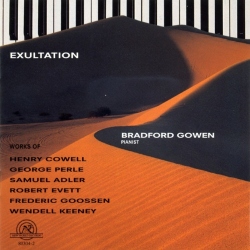
Keyboard
-
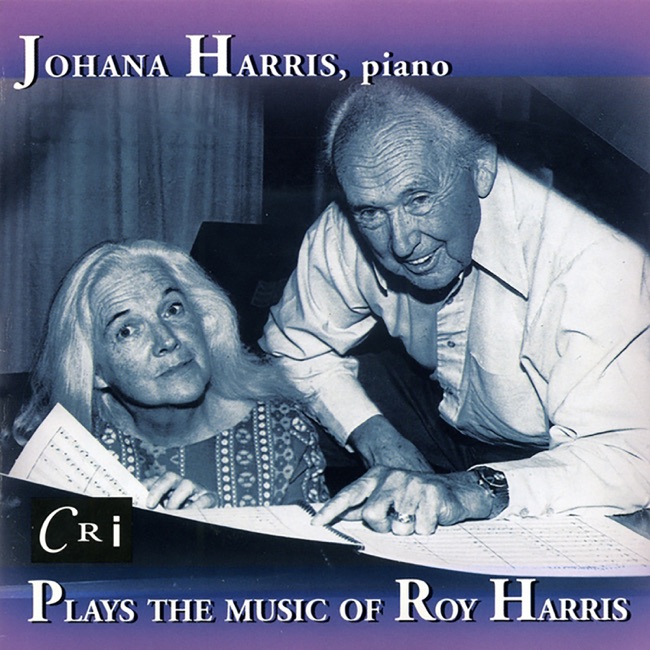 March 23, 1999
 -
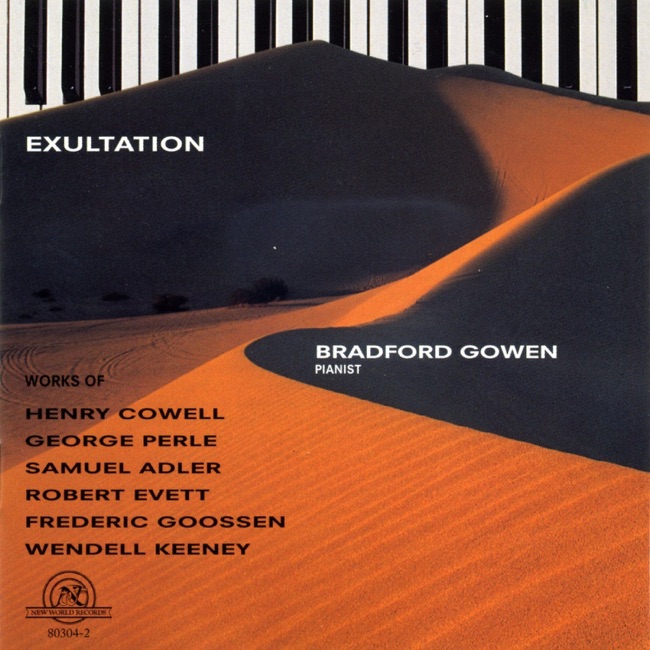 June 30, 1998
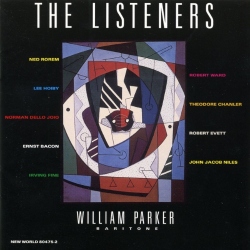
Vocal
-
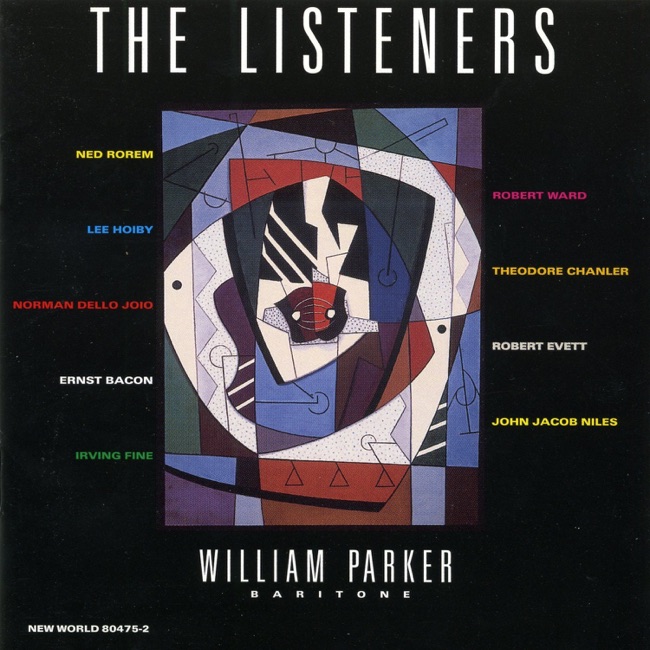 December, 1995
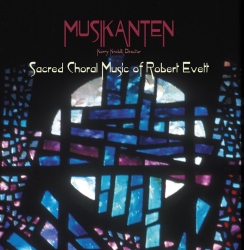
Choral
-
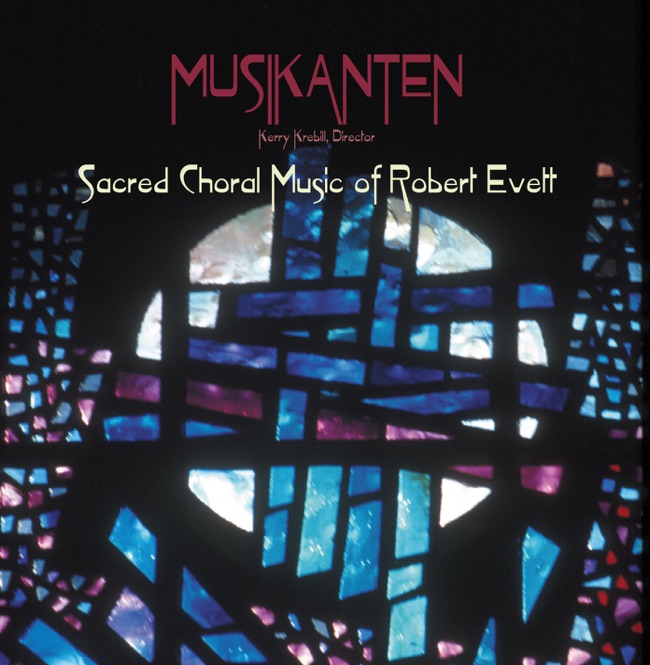 January 1, 2001
Artist Info
Role:ComposerBirth:November 30, 1922Death:February 3, 1975Period:ModernGenre:ChoralKeyboardRobert Evett was a classical music composer who was born on May 12, 1922, in New York City. He was the son of a music teacher and grew up in a musical family. His father was a pianist and his mother was a singer, and they both encouraged him to pursue a career in music. Evett began his musical education at an early age, studying piano and composition with his father. He later attended the Juilliard School of Music in New York City, where he studied composition with William Schuman and Vincent Persichetti. He also studied conducting with Leonard Bernstein and Pierre Monteux. After completing his studies, Evett began his career as a composer and conductor. He worked as a conductor for several orchestras, including the New York Philharmonic and the Boston Symphony Orchestra. He also composed music for films, television, and the theater. Evett's music was known for its lyrical melodies, rich harmonies, and complex rhythms. He was influenced by a variety of musical styles, including classical, jazz, and folk music. His compositions ranged from orchestral works to chamber music to solo pieces for piano and other instruments. One of Evett's most famous works is his Symphony No. 1, which was premiered by the New York Philharmonic in 1955. The symphony is a four-movement work that showcases Evett's skill as a composer. The first movement is a lively and energetic piece that features a memorable melody and intricate rhythms. The second movement is a slow and contemplative piece that showcases Evett's ability to create beautiful and expressive melodies. The third movement is a scherzo that is full of energy and excitement, while the fourth movement is a triumphant finale that brings the symphony to a thrilling conclusion. Another notable work by Evett is his Piano Concerto, which was premiered by the Boston Symphony Orchestra in 1962. The concerto is a three-movement work that features a virtuosic solo piano part and a lush orchestral accompaniment. The first movement is a fast and lively piece that showcases the pianist's technical skill, while the second movement is a slow and lyrical piece that highlights the beauty of the piano's sound. The third movement is a lively and energetic piece that brings the concerto to a thrilling conclusion. In addition to his orchestral works, Evett also composed a number of chamber music pieces. One of his most famous chamber works is his String Quartet No. 1, which was premiered in 1958. The quartet is a four-movement work that showcases Evett's skill as a composer for small ensembles. The first movement is a lively and energetic piece that features intricate rhythms and complex harmonies. The second movement is a slow and contemplative piece that showcases the beauty of the string quartet's sound. The third movement is a scherzo that is full of energy and excitement, while the fourth movement is a triumphant finale that brings the quartet to a thrilling conclusion. Evett's music was well-received by audiences and critics alike. He won several awards for his compositions, including the Pulitzer Prize for Music in 1960 for his Symphony No. 2. He was also a member of the American Academy of Arts and Letters and the National Institute of Arts and Letters. Evett continued to compose music throughout his life, even after he retired from conducting. He died on December 22, 2003, at the age of 81.More....
Recent Artist Music
Copyright Ⓒ 2013 Davinci Finger. All rights reseved
Service Terms & Policy