


Rodolfo Halffter
Released Album
Keyboard
-
-
 October 15, 2013
 -
 October 15, 2013
 -
 January 31, 2011
 -
 July 1, 2008
 -
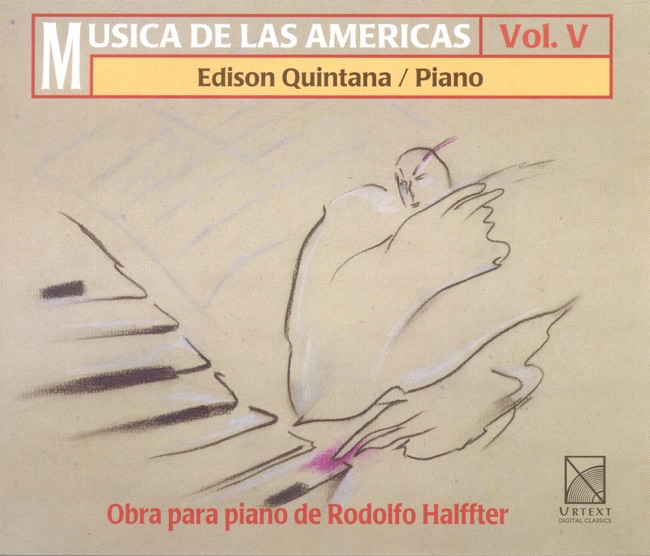 January 1, 1998
Chamber
-
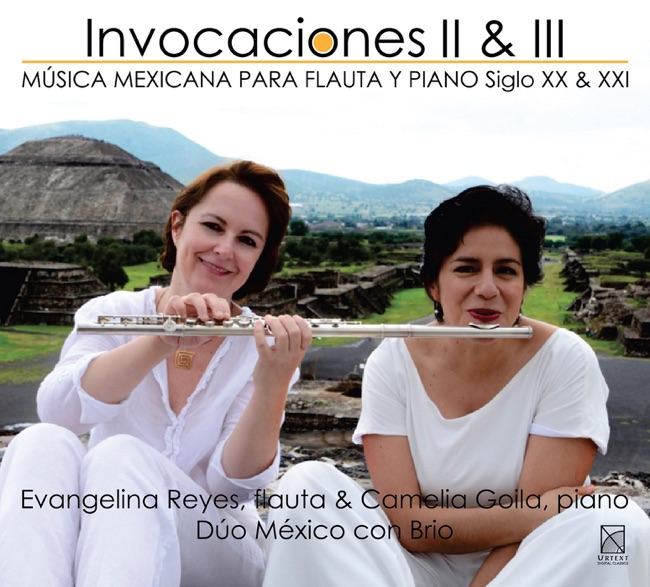 September 30, 2016
 -
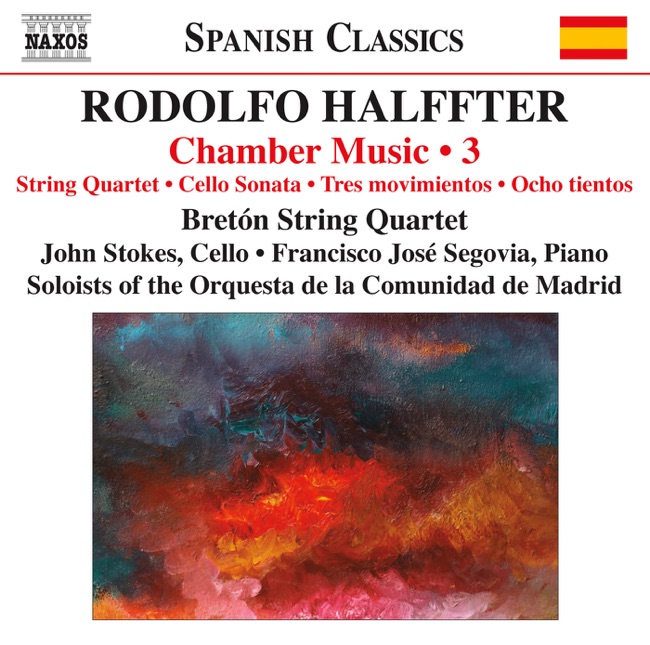 July 26, 2011
 -
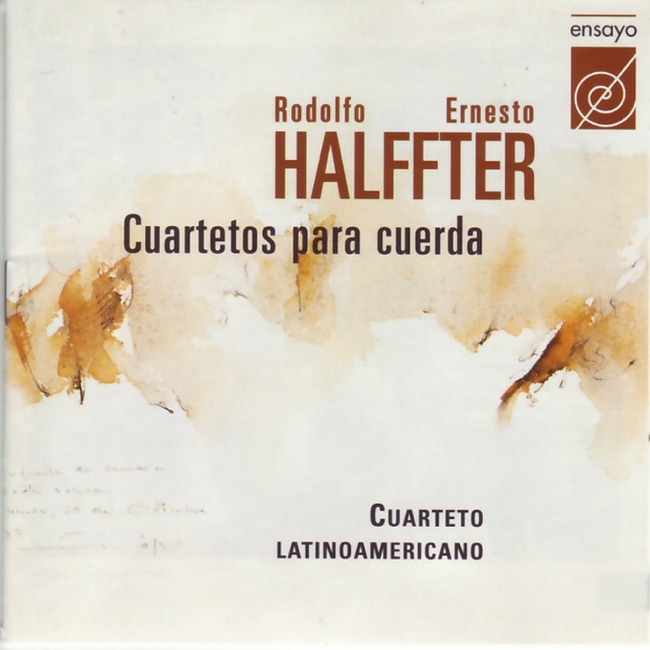 January 27, 2004
 -
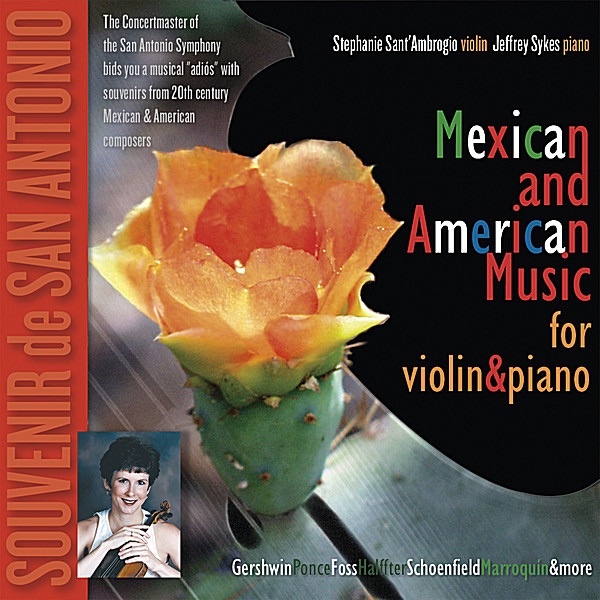
-
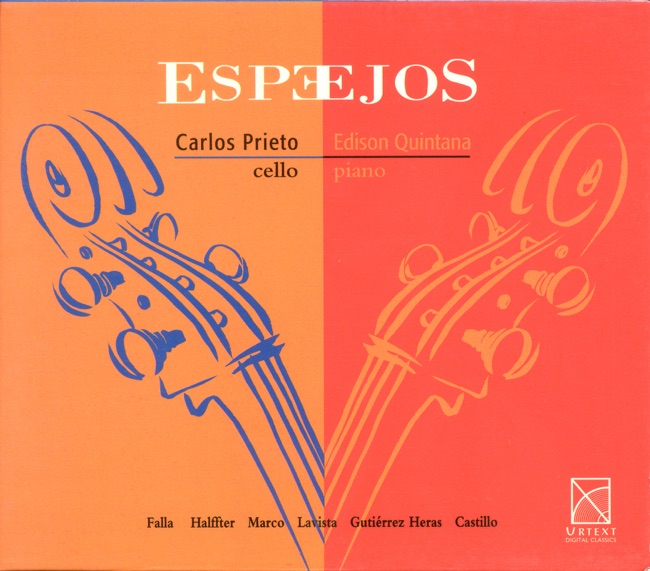 January 1, 1997
Vocal
-
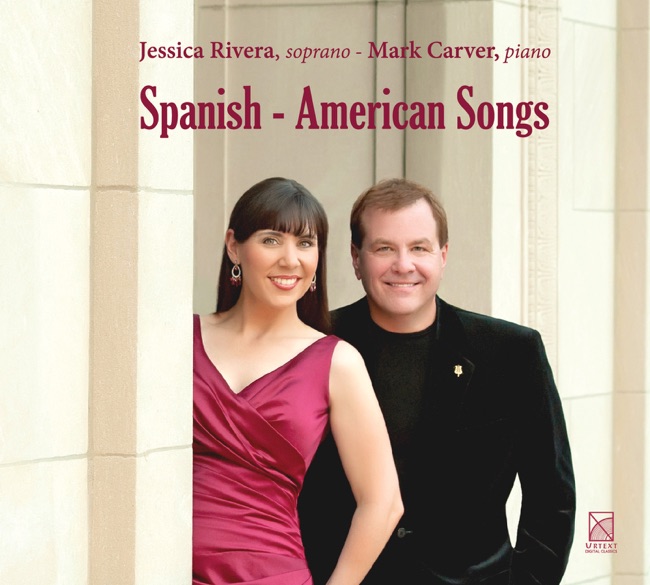 February 24, 2015
 -
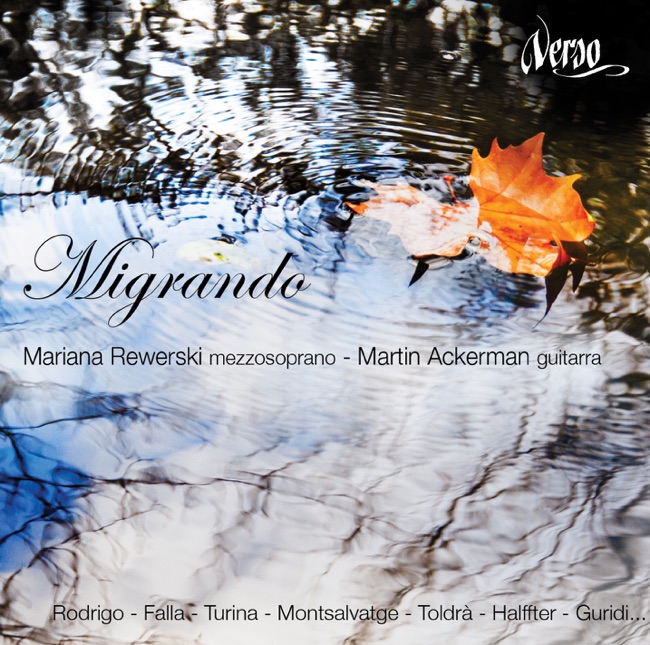 July 2, 2013
 -
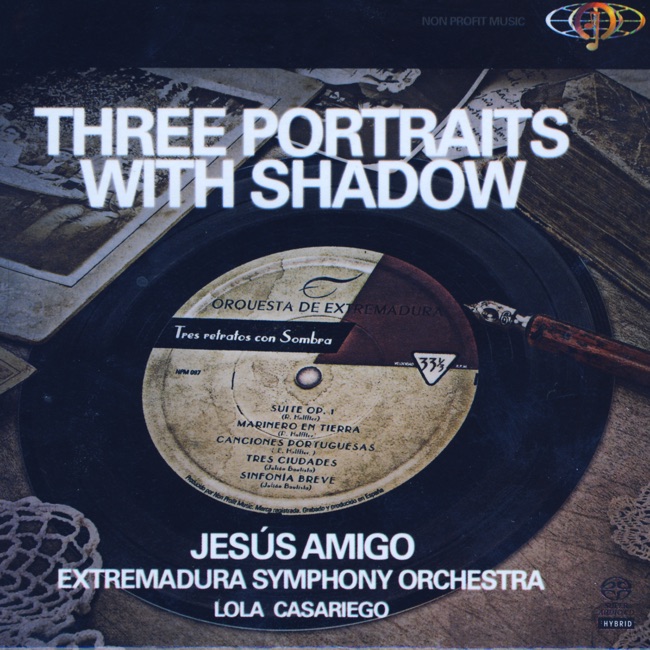 March 9, 2010
 -
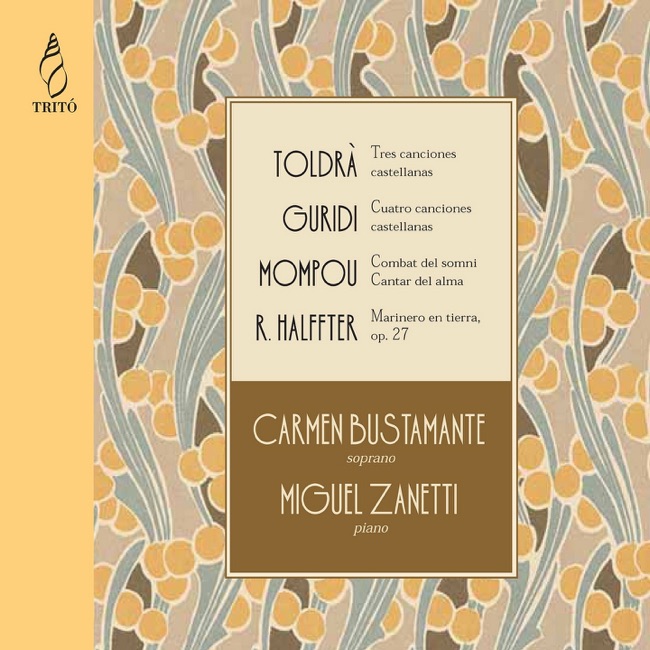
Orchestral
-
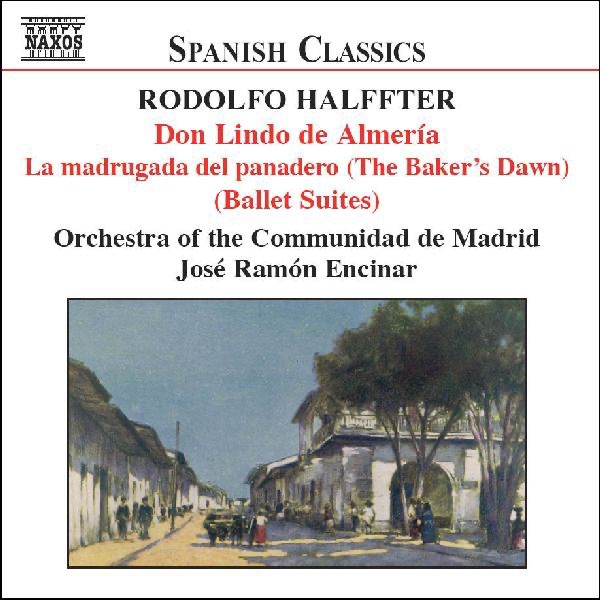 November 1, 2004
 -
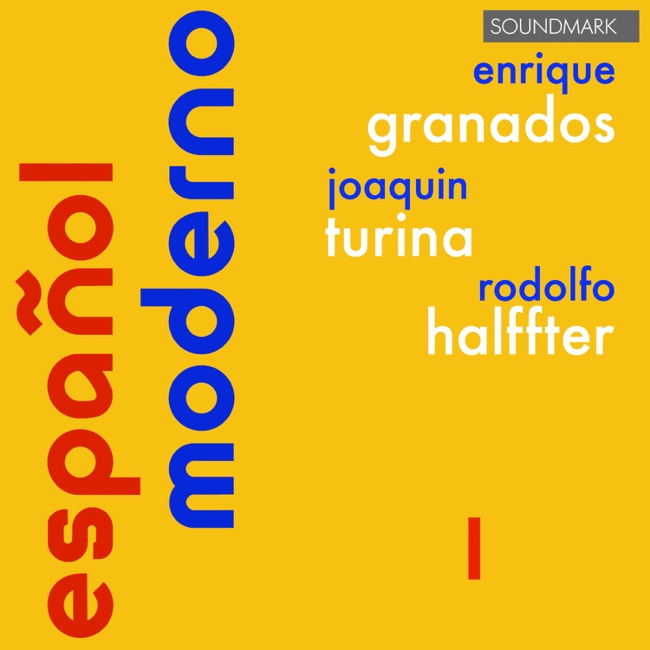
Artist Info
Role:ComposerBirth:1900Death:1987Period:ModernGenre:BalletChamberKeyboardRodolfo Halffter was a Spanish composer and conductor who was born on October 16, 1900, in Madrid, Spain. He was born into a family of musicians, and his father, Ernesto Halffter, was a composer and conductor. His mother, Rosario García-Ramos, was a pianist and music teacher. Rodolfo Halffter grew up in a musical environment, and he began his musical education at a young age. Halffter studied music at the Madrid Conservatory, where he was a student of Conrado del Campo. He also studied with Manuel de Falla, who was a close friend of his father. Halffter was deeply influenced by Falla's music, and he became one of his most important disciples. He also studied with Joaquín Rodrigo, who was another important Spanish composer. Halffter began his career as a composer in the 1920s, and he quickly established himself as one of the leading figures of the Spanish avant-garde. He was a member of the Grupo de los Ocho, which was a group of composers who were committed to modernizing Spanish music. The group included composers such as Joaquín Rodrigo, Salvador Bacarisse, and Julián Bautista. Halffter's early works were influenced by the music of Stravinsky, Bartók, and Schoenberg. He was particularly interested in the use of folk music in classical music, and he incorporated Spanish folk music into his compositions. His early works include the ballet "El sombrero de tres picos" (The Three-Cornered Hat), which was based on a story by Pedro Antonio de Alarcón. The ballet was premiered in 1928, and it was a great success. In the 1930s, Halffter became involved in politics, and he joined the Communist Party of Spain. He was a strong supporter of the Republican government during the Spanish Civil War, and he composed music for the Republican cause. He also worked as a conductor, and he conducted the Madrid Symphony Orchestra during the war. After the war, Halffter went into exile in Mexico, where he lived for many years. He continued to compose music, and he became one of the most important composers of the Mexican avant-garde. He was a professor at the National Conservatory of Music in Mexico City, where he taught many important Mexican composers, including Carlos Chávez and Silvestre Revueltas. Halffter's music from this period was influenced by Mexican folk music, and he incorporated elements of Mexican culture into his compositions. His most important works from this period include the ballet "Don Lindo de Almería" and the opera "Don Quijote". He also composed many chamber music works, including string quartets and piano sonatas. In the 1950s, Halffter returned to Spain, where he continued to compose music and conduct orchestras. He was appointed the director of the Madrid Symphony Orchestra, and he conducted many important concerts and premieres. He also continued to teach, and he was a professor at the Madrid Conservatory. Halffter's music from this period was more traditional than his earlier works, and he was influenced by the music of Bach and Mozart. He composed many works for orchestra, including symphonies and concertos. He also composed many choral works, including masses and cantatas. Halffter died on July 14, 1987, in Madrid, Spain. He was one of the most important Spanish composers of the 20th century, and his music continues to be performed and recorded today. His music was characterized by its use of folk music, its modernist tendencies, and its incorporation of elements of Spanish and Mexican culture.More....
Recent Artist Music
13
5:37
Copyright Ⓒ 2013 Davinci Finger. All rights reseved
Service Terms & Policy