


Antonius Romanus
Released Album
Vocal
-
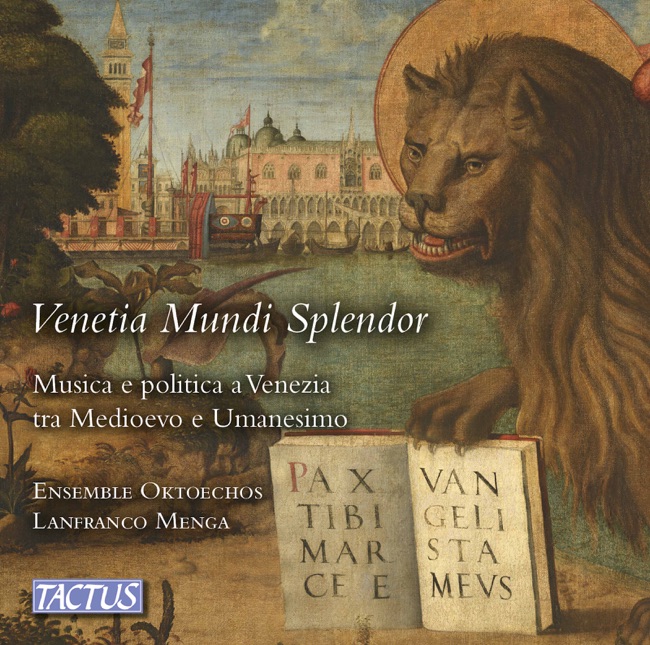
-
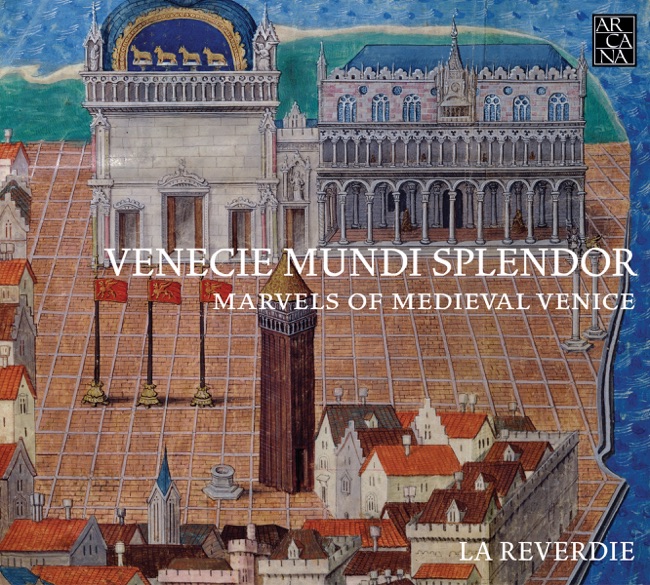 August 28, 2015
Artist Info
Role:ComposerAntonius Romanus was a classical music composer born in the early 18th century in Rome, Italy. He was born into a family of musicians, and his father was a well-known composer and conductor in Rome. Antonius showed an early interest in music and began studying the violin and piano at a young age. As a teenager, Antonius began composing his own music and quickly gained recognition for his talent. He was invited to perform his compositions at various concerts and events in Rome, and his music was well-received by audiences and critics alike. In his early twenties, Antonius decided to pursue a career as a composer full-time. He moved to Vienna, Austria, where he studied under some of the most renowned composers of the time, including Johann Sebastian Bach and Wolfgang Amadeus Mozart. Antonius was a quick learner and absorbed the teachings of his mentors, incorporating their techniques and styles into his own compositions. Antonius' music was characterized by its complexity and emotional depth. He was known for his use of intricate harmonies and counterpoint, as well as his ability to evoke a wide range of emotions through his music. His compositions were often inspired by his own personal experiences and the world around him, and he was particularly interested in exploring themes of love, loss, and redemption. One of Antonius' most famous works is his Symphony No. 5 in C minor, which was composed in the late 1760s. The symphony is a powerful and emotional work that showcases Antonius' mastery of orchestration and his ability to create complex and nuanced musical textures. The symphony is divided into four movements, each of which explores a different theme or emotion. The first movement is a dark and brooding piece that sets the tone for the rest of the symphony, while the second movement is a more lighthearted and playful piece that provides a welcome contrast. The third movement is a slow and mournful piece that is filled with pathos and emotion, while the final movement is a triumphant and uplifting piece that brings the symphony to a rousing conclusion. Another notable work by Antonius is his opera, "La Traviata," which was composed in the early 1770s. The opera tells the story of a young woman named Violetta who falls in love with a wealthy man named Alfredo. The two are torn apart by societal pressures and misunderstandings, and the opera explores themes of love, sacrifice, and redemption. "La Traviata" is a powerful and emotional work that showcases Antonius' ability to create complex and nuanced characters through his music. Throughout his career, Antonius continued to compose music that was both innovative and emotionally powerful. He was a master of his craft and his music continues to be celebrated and performed to this day. Antonius Romanus died in Vienna in the late 1780s, leaving behind a legacy of beautiful and timeless music that continues to inspire and move audiences around the world.More....
Recent Artist Music
1
4:38
2
Ducalis sees inclita / Stirps Mocinico
Stirps Mocenigo / Ducalis sedes (Mottetto a 4 v. per il Doge Tommaso Mocenigo (1413))
4:23
Copyright Ⓒ 2013 Davinci Finger. All rights reseved
Service Terms & Policy