


Ramón Barce
Released Album
Keyboard
-
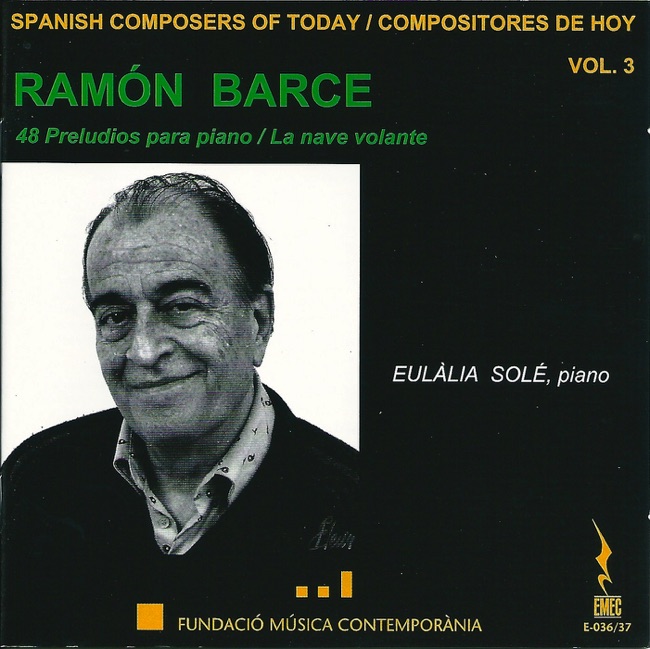
-
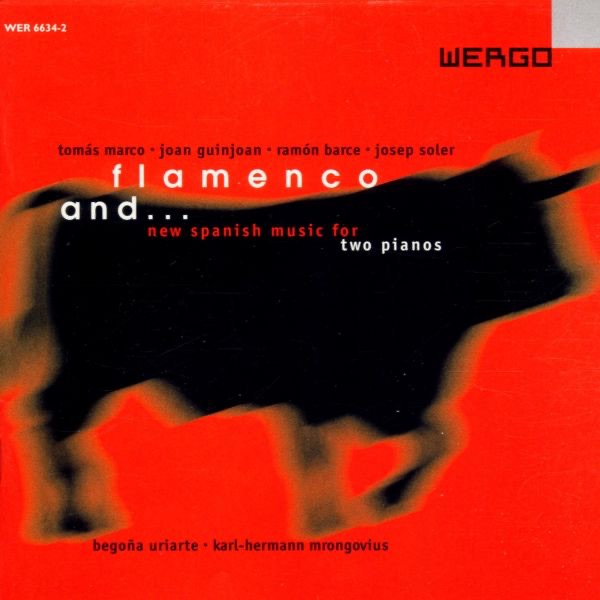 March 1, 1999
Artist Info
Role:ComposerCountry: SpainBirth:March 16, 1928 in Madrid, SpainDeath:December 14, 2008 in Madrid, SpainPeriod:ContemporaryModernGenre:KeyboardOperaRamón Barce was a Spanish composer born on September 15, 1928, in Madrid. He was the son of a lawyer and a pianist, and his family was very supportive of his musical interests from a young age. Barce began studying piano and composition at the Madrid Conservatory when he was just six years old, and he continued his studies there until he was 18. After completing his studies at the Madrid Conservatory, Barce went on to study composition with Nadia Boulanger in Paris. Boulanger was a highly respected teacher who had taught many of the most important composers of the 20th century, including Aaron Copland, Philip Glass, and Quincy Jones. Barce studied with Boulanger for several years, and her influence can be heard in his music. Barce's early works were heavily influenced by the music of the Second Viennese School, particularly the music of Arnold Schoenberg. However, as he matured as a composer, Barce began to develop his own unique style. His music is characterized by its use of complex rhythms, unconventional harmonies, and a wide range of instrumental colors. One of Barce's most important works is his Symphony No. 1, which he composed in 1955. The symphony is a large-scale work that is divided into four movements. The first movement is a slow introduction that sets the mood for the rest of the symphony. The second movement is a lively scherzo that features complex rhythms and intricate counterpoint. The third movement is a slow, lyrical adagio that showcases Barce's gift for melody. The final movement is a fast, energetic finale that brings the symphony to a thrilling conclusion. Another important work by Barce is his String Quartet No. 1, which he composed in 1958. The quartet is a highly expressive work that explores a wide range of emotions. The first movement is a slow, mournful adagio that is full of pathos. The second movement is a lively scherzo that features intricate rhythms and playful melodies. The third movement is a slow, lyrical andante that is full of warmth and tenderness. The final movement is a fast, energetic finale that brings the quartet to a thrilling conclusion. Barce's music was not always well-received by critics and audiences. Some found his music too complex and difficult to understand. However, Barce remained committed to his artistic vision, and he continued to compose music that was true to his own unique style. In addition to his work as a composer, Barce was also a respected musicologist and critic. He wrote extensively about music, and his writings were highly regarded by his peers. He was also a professor of composition at the Madrid Conservatory, where he taught many of Spain's most important composers. Barce's music has been performed by some of the world's leading orchestras and ensembles, including the London Symphony Orchestra, the Berlin Philharmonic, and the New York Philharmonic. His music has also been recorded by many of the world's leading classical music labels, including Deutsche Grammophon, EMI, and Naxos. Barce died on November 30, 2013, at the age of 85. He left behind a rich legacy of music that continues to inspire and challenge musicians and audiences alike. His music is a testament to his unwavering commitment to artistic integrity and his belief in the power of music to move and inspire.More....
Recent Artist Music
Copyright Ⓒ 2013 Davinci Finger. All rights reseved
Service Terms & Policy