


David Lancaster
Released Album
Vocal
-
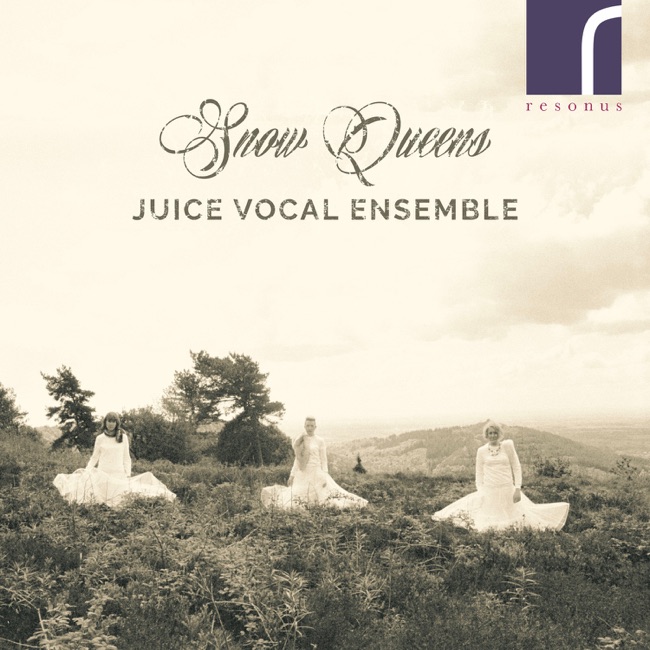 November 2, 2018
 -
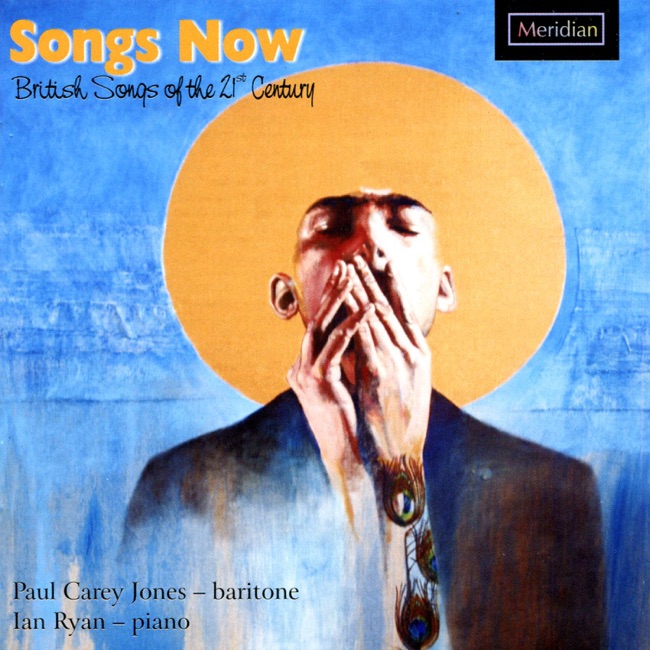 November 13, 2012
Choral
-
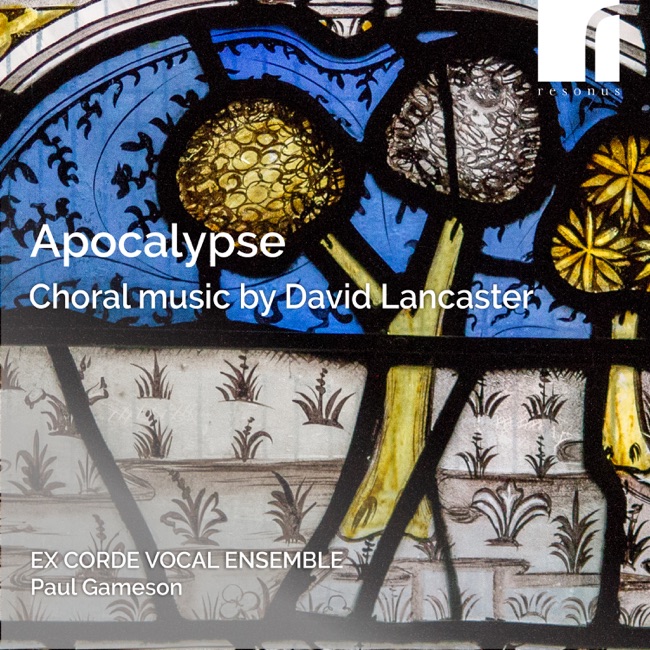 October 20, 2023
Artist Info
Role:ComposerDavid Lancaster is a British composer who was born in 1963 in the town of Huddersfield, West Yorkshire. He grew up in a musical family, with his father being a church organist and his mother a singer. Lancaster began playing the piano at a young age and showed a natural talent for music. He went on to study music at the University of York, where he earned a Bachelor of Music degree in 1984. After completing his undergraduate studies, Lancaster continued his musical education at the Royal College of Music in London, where he studied composition with Joseph Horovitz and John Lambert. He also studied conducting with Norman Del Mar and was awarded a Master of Music degree in 1986. Lancaster's early compositions were influenced by the music of Benjamin Britten and Igor Stravinsky, but he soon developed his own unique style. His music is characterized by its use of complex rhythms, intricate harmonies, and a wide range of instrumental colors. He has written works for a variety of ensembles, including orchestras, chamber groups, and solo performers. One of Lancaster's early works, "The Dance of the Seven Veils," was written for the Huddersfield Contemporary Music Festival in 1986. The piece is a tribute to the composer Richard Strauss and is based on his opera "Salome." Lancaster's version features a solo violin and a chamber orchestra and has been performed by ensembles around the world. In 1990, Lancaster was commissioned by the BBC to write a piece for the Proms, the annual summer music festival held in London. The resulting work, "The Tempest," is a symphonic poem based on Shakespeare's play of the same name. The piece was well-received by audiences and critics alike and helped to establish Lancaster as a major figure in British classical music. Lancaster has also written a number of works for chamber ensembles, including his "String Quartet No. 1," which was premiered in 1992 by the Arditti Quartet. The piece is notable for its use of extended techniques, such as bowing on the bridge and plucking the strings inside the instrument. Lancaster has said that he was inspired by the music of the American composer Elliott Carter, who was known for his use of complex rhythms and unconventional instrumental techniques. In addition to his work as a composer, Lancaster is also a respected conductor. He has led performances of his own music as well as works by other composers, and has worked with a number of orchestras and ensembles around the world. He has also served as a guest conductor at the Royal College of Music and the University of York. Lancaster's music has been performed by some of the world's leading orchestras and ensembles, including the London Symphony Orchestra, the BBC Symphony Orchestra, and the Ensemble Intercontemporain. He has received numerous awards and honors for his work, including the Royal Philharmonic Society Composition Prize in 1998 and the British Composer Award for Orchestral Music in 2014. One of Lancaster's most recent works is his "Symphony No. 2," which was premiered by the BBC Symphony Orchestra in 2018. The piece is a tribute to the composer's hometown of Huddersfield and features a wide range of musical styles and influences. Lancaster has said that he wanted to create a work that reflected the diversity and energy of the town, which is known for its vibrant arts scene and its history of innovation.More....
Recent Artist Music
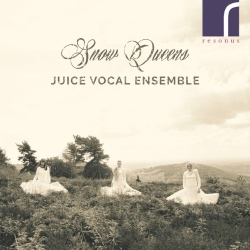
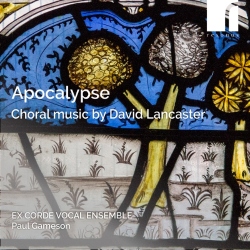
Copyright Ⓒ 2013 Davinci Finger. All rights reseved
Service Terms & Policy