


Barrie Cabena
Released Album
Keyboard
-
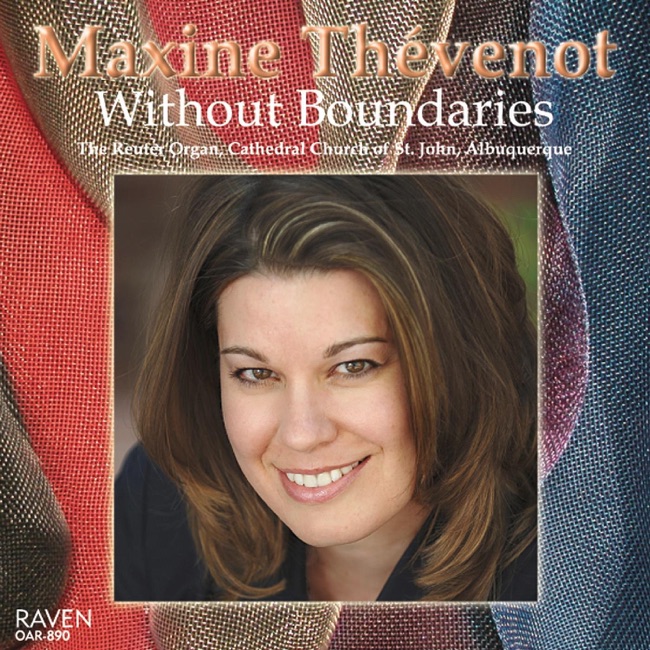 January 2, 2007
 -
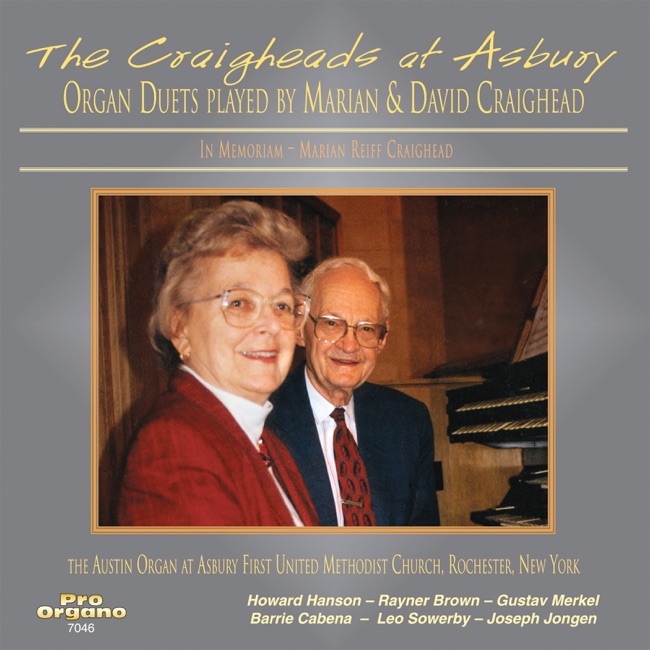 February 27, 2001
 -
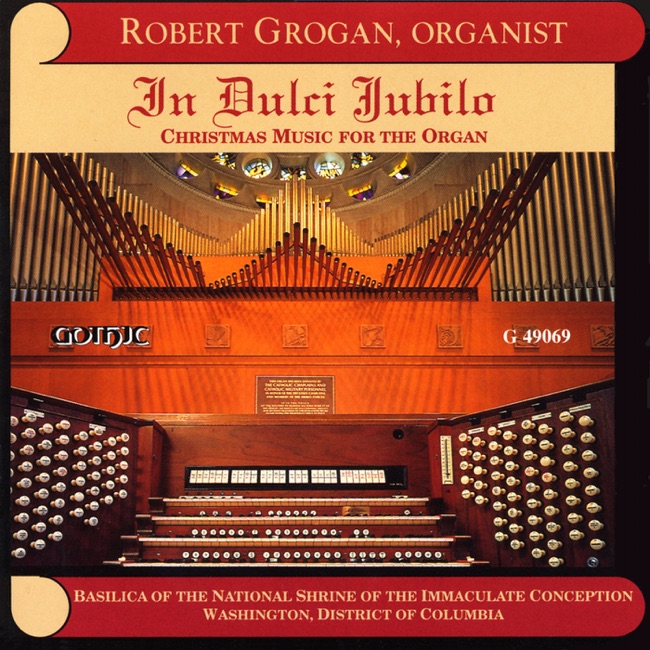 January 17, 1995
Choral
-
 August 28, 2012
 -
 August 1, 2012
Artist Info
Role:ComposerBirth:1933 in Melbourne, AustraliaPeriod:ContemporaryGenre:KeyboardBarrie Cabena was a renowned classical music composer who was born on May 22, 1933, in London, England. He was the son of a professional musician, and his father's influence played a significant role in his early musical education. Cabena began playing the piano at a young age and showed a natural talent for music. He attended the Royal Academy of Music in London, where he studied composition and conducting. Cabena's early compositions were heavily influenced by the works of composers such as Bach, Mozart, and Beethoven. He was particularly drawn to the complexity and depth of Bach's music, and this influence can be seen in many of his early works. Cabena's first major composition was a piano concerto, which he wrote while still a student at the Royal Academy of Music. The concerto was well-received and helped establish Cabena as a promising young composer. After completing his studies, Cabena began working as a freelance composer and conductor. He quickly gained a reputation for his innovative and challenging compositions, which often pushed the boundaries of traditional classical music. Cabena's music was characterized by its complex harmonies, intricate rhythms, and unconventional instrumentation. He was particularly interested in exploring the possibilities of electronic music, and many of his later works incorporated electronic elements. One of Cabena's most significant works was his opera, "The Tempest," which he composed in 1962. The opera was based on Shakespeare's play of the same name and was notable for its use of electronic music and unconventional vocal techniques. "The Tempest" was well-received by critics and helped establish Cabena as a leading figure in the world of contemporary classical music. Throughout his career, Cabena continued to experiment with new forms and techniques. He was particularly interested in the possibilities of combining different musical styles and traditions. One of his most notable works in this regard was his "Concerto for Sitar and Orchestra," which he composed in 1971. The concerto combined elements of Indian classical music with Western classical music, creating a unique and innovative sound. Cabena's later works were characterized by their use of electronic music and computer-generated sounds. He was particularly interested in the possibilities of using computers to create new and innovative sounds. One of his most notable works in this regard was his "Computer Symphony," which he composed in 1985. The symphony was entirely computer-generated and was a groundbreaking work in the field of electronic music. Cabena continued to compose and conduct music until his death in 2005. He was widely regarded as one of the most innovative and influential composers of his generation. His works continue to be performed and studied by musicians and music lovers around the world.More....
Recent Artist Music
2
15:1
Copyright Ⓒ 2013 Davinci Finger. All rights reseved
Service Terms & Policy