


Alexander Zinowsky
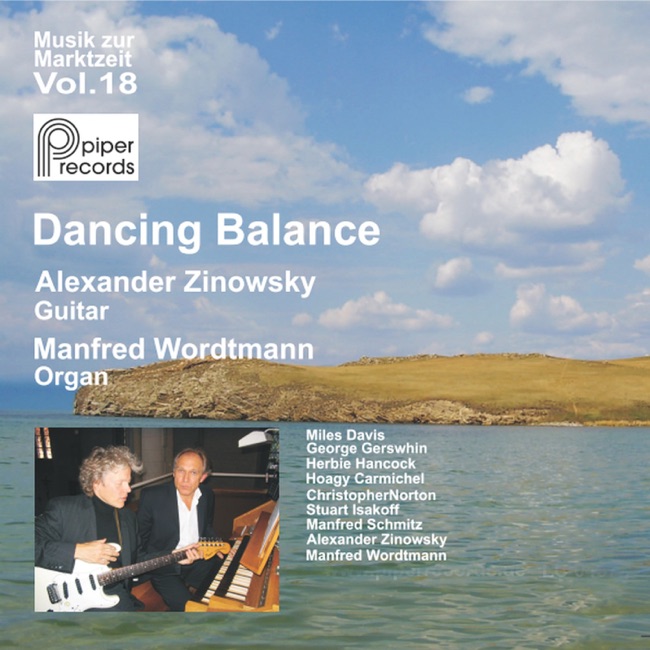
Artist Info
Role:ComposerAlexander Zinowsky was a Russian composer who lived from 1877 to 1958. He was born in Moscow to a family of musicians, and his father was a well-known violinist. Zinowsky began his musical education at a young age, studying piano and composition with some of the best teachers in Moscow. As a young man, Zinowsky was drawn to the music of the Russian nationalist composers, such as Rimsky-Korsakov and Mussorgsky. He was also influenced by the music of the French Impressionists, particularly Debussy. These influences can be heard in his early works, which are characterized by lush harmonies and colorful orchestration. Zinowsky's first major success came in 1906 with the premiere of his Symphony No. 1. The work was well-received by audiences and critics alike, and established Zinowsky as a composer to watch. Over the next few years, he continued to write symphonies, as well as chamber music and songs. In 1914, Zinowsky was drafted into the Russian army to fight in World War I. He served as a medic, and was wounded several times. During his time in the army, he continued to compose, and even wrote a symphony while stationed in the trenches. After the war, Zinowsky returned to Moscow and resumed his career as a composer. He became involved with the Association for Contemporary Music, a group of composers who were dedicated to promoting new music in Russia. Zinowsky's music was often performed at the group's concerts, and he became known as one of the leading voices of the Russian avant-garde. In the 1920s, Zinowsky's music became more experimental, incorporating elements of atonality and serialism. He also began to incorporate folk music into his compositions, drawing on the rich musical traditions of Russia. One of his most famous works from this period is the ballet The Firebird, which was premiered by the Ballets Russes in Paris in 1926. Throughout the 1930s and 1940s, Zinowsky continued to write music, but his career was hampered by the political climate in Russia. The Soviet government was suspicious of avant-garde art, and many composers were forced to conform to the strict guidelines of Socialist Realism. Zinowsky was able to continue composing, but his music became more conservative and less experimental. Despite these challenges, Zinowsky remained a respected figure in the Russian musical world. He continued to teach composition at the Moscow Conservatory, and his students included some of the most important composers of the next generation, such as Dmitri Shostakovich and Sergei Prokofiev. Zinowsky's music has been praised for its lyricism, its use of color and texture, and its ability to evoke the spirit of Russia. His works range from large-scale symphonies and operas to intimate chamber music and songs. Some of his most famous works include the Symphony No. 1, The Firebird, and the opera Boris Godunov. Today, Zinowsky is remembered as one of the most important composers of the 20th century. His music continues to be performed and recorded around the world, and his influence can be heard in the works of many contemporary composers.More....
Recent Artist Music
Copyright Ⓒ 2013 Davinci Finger. All rights reseved
Service Terms & Policy