


Hans Friedrich Micheelsen
Released Album
Keyboard
-
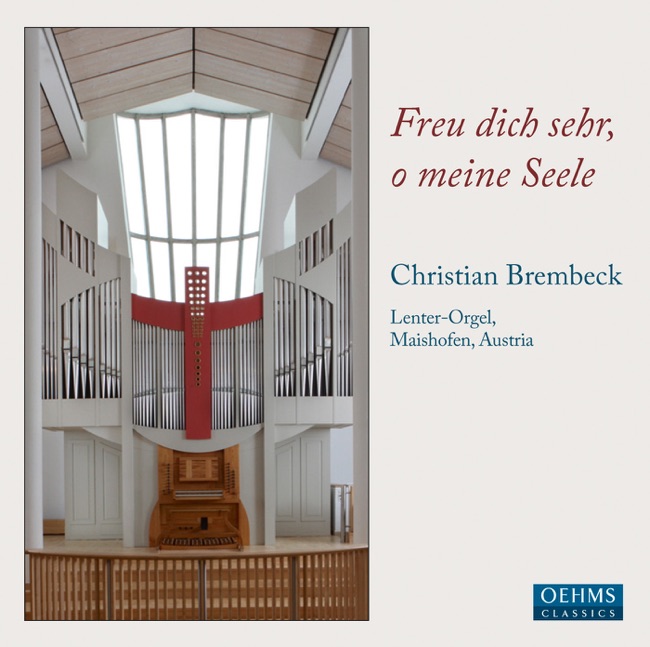 April 24, 2012
 -
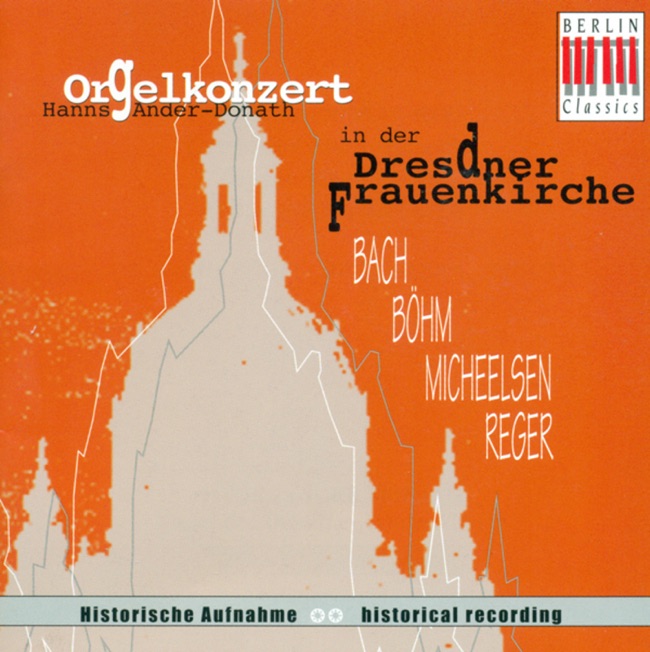 August 12, 1999
Choral
-
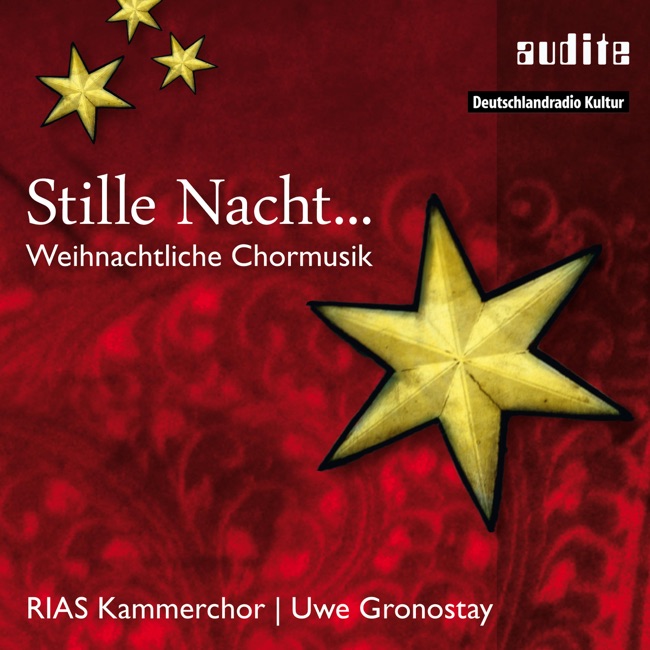 November 18, 2014
Artist Info
Role:ComposerCountry: GermanyBirth:June 9, 1902 in Hennstedt, DithmarschenDeath:November 23, 1973 in Glüsng, HolsteinPeriod:ModernGenre:KeyboardHans Friedrich Micheelsen was a German composer and pianist who lived from 1902 to 1973. He was born in the city of Flensburg, located in the northernmost part of Germany, near the border with Denmark. His father was a music teacher, and his mother was a singer, so he grew up in a musical environment and started playing the piano at a young age. Micheelsen studied music at the Hochschule für Musik in Berlin, where he was a student of the renowned pianist and composer Ferruccio Busoni. Busoni was a major influence on Micheelsen's musical style, which combined elements of traditional German classical music with more modernist and experimental techniques. Micheelsen's early works were mostly for piano, and he gained a reputation as a virtuoso performer of his own compositions. He also wrote chamber music, including several string quartets, and orchestral works such as his Symphony No. 1, which was premiered in Berlin in 1930. During the 1930s, Micheelsen became increasingly interested in electronic music and began experimenting with new technologies such as the theremin and the ondes Martenot. He also collaborated with the German filmmaker Leni Riefenstahl on several of her films, providing original scores that combined orchestral music with electronic sounds. Micheelsen's career was interrupted by World War II, during which he served in the German army. After the war, he returned to music and continued to compose and perform. He also taught at the Hochschule für Musik in Berlin and at the Musikhochschule Lübeck. One of Micheelsen's most famous works is his Piano Concerto No. 2, which was premiered in 1952 and has since become a staple of the piano repertoire. The concerto is notable for its virtuosic piano writing and its use of electronic sounds, which were produced using a tape recorder and played back during the performance. Micheelsen's later works continued to explore new musical techniques and technologies. He wrote several pieces for electronic instruments, including his Electronic Symphony No. 1, which was premiered in 1960. He also experimented with aleatoric music, which involves leaving certain elements of the composition up to chance or improvisation. Despite his innovative approach to music, Micheelsen's work was not always well-received by critics or audiences. Some found his music too experimental or difficult to understand, while others criticized his association with the Nazi regime during the war. Today, Micheelsen's music is still performed and studied by musicians and scholars around the world. His contributions to the development of electronic music and his unique blend of traditional and modernist styles have earned him a place in the history of classical music.More....
Recent Artist Music

Copyright Ⓒ 2013 Davinci Finger. All rights reseved
Service Terms & Policy