


William Busch
Released Album
Chamber
-
 January 13, 2015
 -
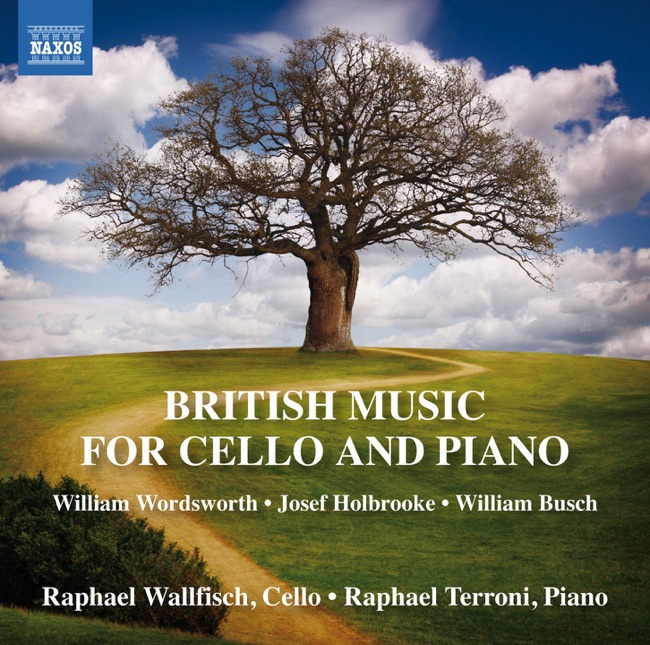 January 6, 2015
 -
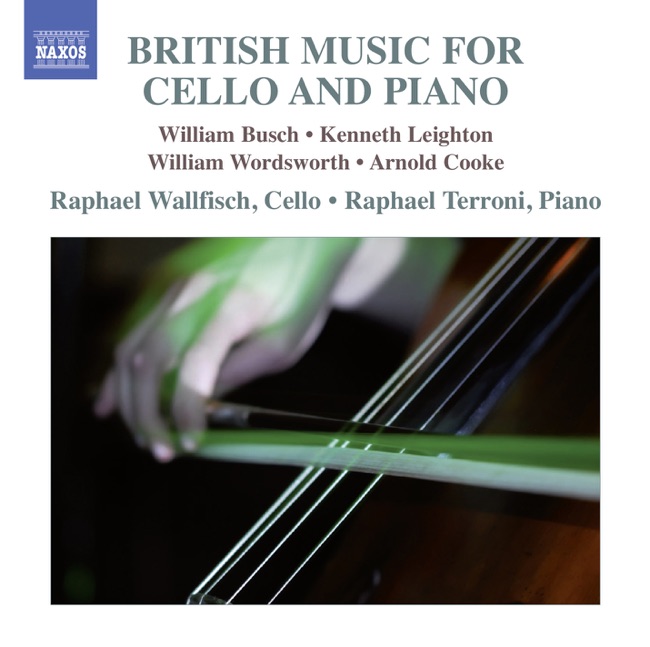 June 10, 2014
Vocal
-
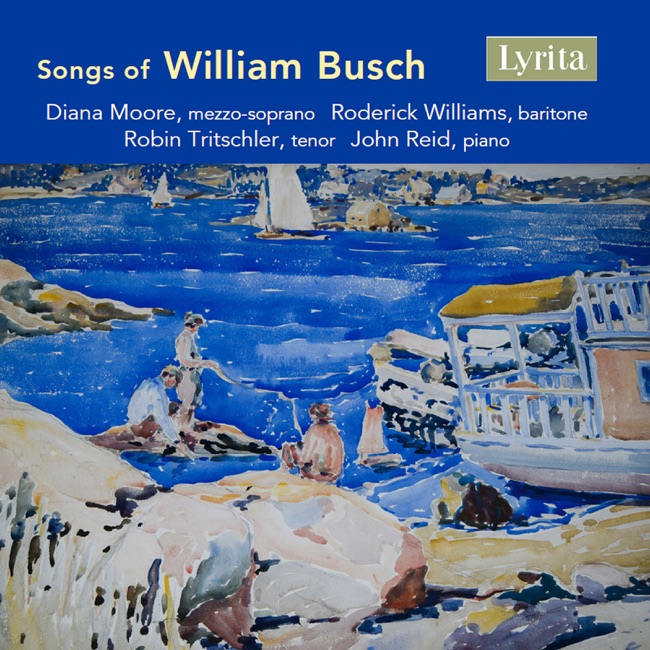 August 5, 2022
 -
Concerto
-
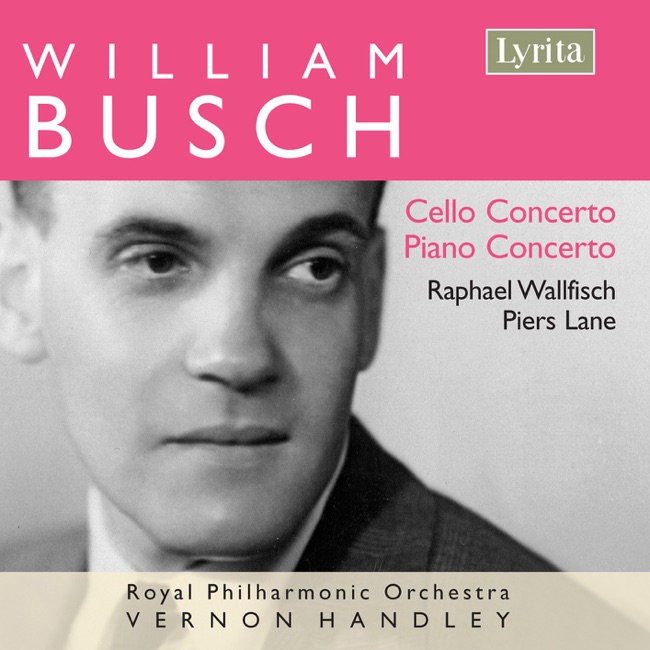 February 12, 2008
Keyboard
-
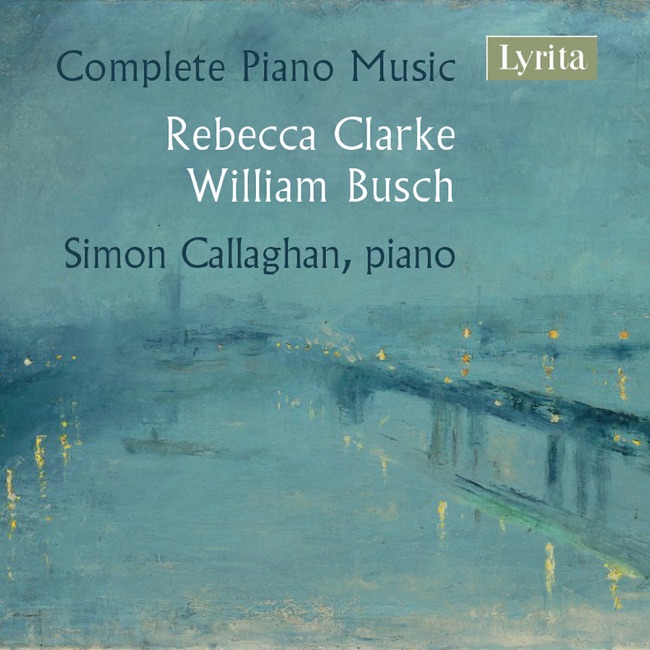 October 7, 2022
Artist Info
Role:ComposerBirth:June 25, 1901 in London, EnglandDeath:January 30, 1945 in Woolacombe, North Devon, EnglandPeriod:ModernGenre:VocalWilliam Busch was a British composer and pianist who was born on August 14, 1901, in Birmingham, England. He was the son of a music teacher and grew up in a musical family. His father, Henry Busch, was a violinist and conductor, and his mother, Florence Busch, was a pianist. William Busch showed an early interest in music and began playing the piano at the age of four. Busch received his early education at King Edward's School in Birmingham, where he was a chorister and studied piano and composition. He later studied at the Royal Academy of Music in London, where he won several prizes for his compositions. He also studied with the composer Ralph Vaughan Williams, who had a significant influence on his music. Busch's early compositions were influenced by the Romantic tradition, and he was particularly interested in the music of Schumann and Brahms. His first major work was a Piano Concerto, which he composed when he was just 18 years old. The concerto was well-received and was performed by the London Symphony Orchestra. In the 1920s, Busch began to establish himself as a composer and pianist. He performed his own works in concerts throughout England and Europe and received critical acclaim for his performances. He also composed a number of chamber works, including a String Quartet and a Piano Trio. In the 1930s, Busch's music began to evolve, and he became interested in the music of the Baroque period. He began to incorporate Baroque elements into his compositions, such as contrapuntal writing and the use of the harpsichord. His music also became more introspective and reflective, reflecting the turbulent times in which he lived. One of Busch's most significant works from this period was his Concerto for String Orchestra, which he composed in 1937. The concerto is a tribute to the Baroque period and features a solo violin and harpsichord. The work was well-received and has become one of Busch's most popular compositions. During World War II, Busch served in the British Army and was stationed in India. While there, he continued to compose and perform, and he also taught music to soldiers. After the war, he returned to England and resumed his career as a composer and pianist. In the 1950s and 1960s, Busch's music continued to evolve, and he began to incorporate more modernist elements into his compositions. He also became interested in the music of Eastern Europe and incorporated elements of folk music into his works. One of Busch's most significant works from this period was his Symphony No. 2, which he composed in 1957. The symphony is a complex and challenging work that reflects Busch's interest in modernist music. The work was well-received and has become one of Busch's most popular compositions. Busch continued to compose and perform throughout the 1970s and 1980s, and his music continued to evolve. He remained active in the British music scene and was a respected figure in the classical music world. William Busch died on January 22, 1945, at the age of 83. He left behind a significant body of work that reflects his evolution as a composer and pianist. His music is characterized by its lyricism, introspection, and complexity, and it continues to be performed and recorded today.More....
Recent Artist Music




Copyright Ⓒ 2013 Davinci Finger. All rights reseved
Service Terms & Policy