


György Orbán
Released Album
Choral
-
 September 24, 2013
 -
-
-
 February 24, 2004
Vocal
-
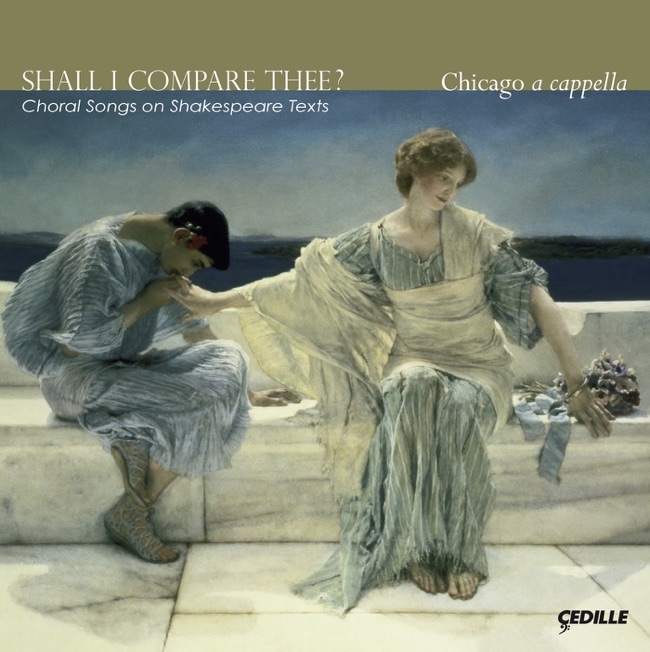 September 27, 2005
 -
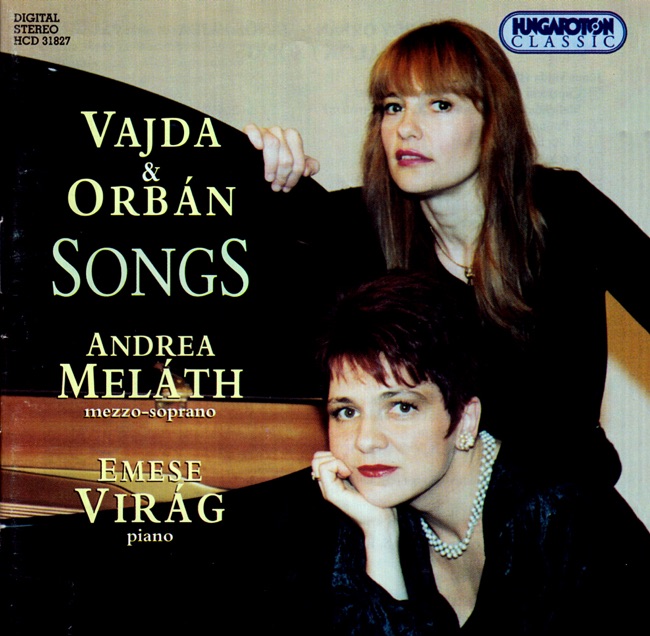 June 28, 2000
Chamber
-
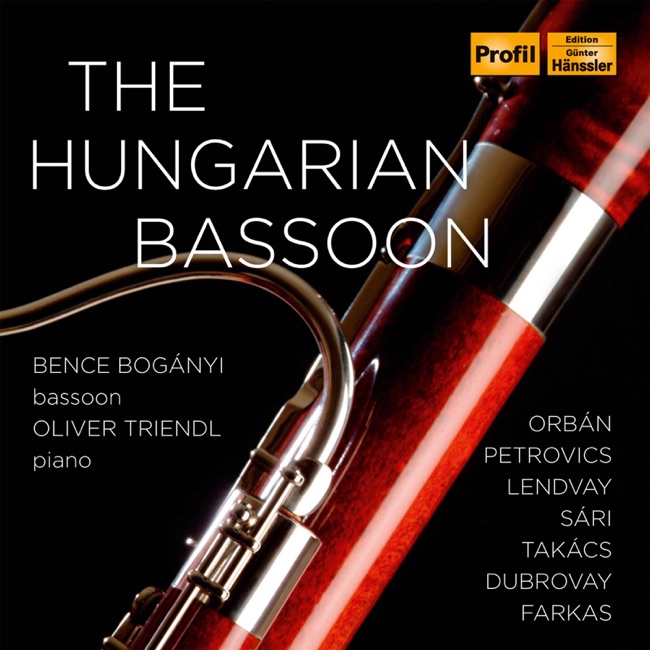 November 10, 2014
 -
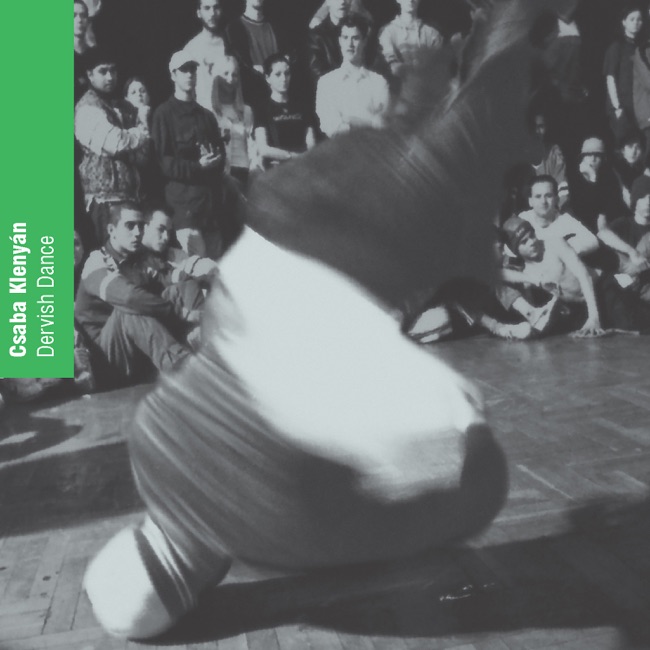 October 29, 2002
 -
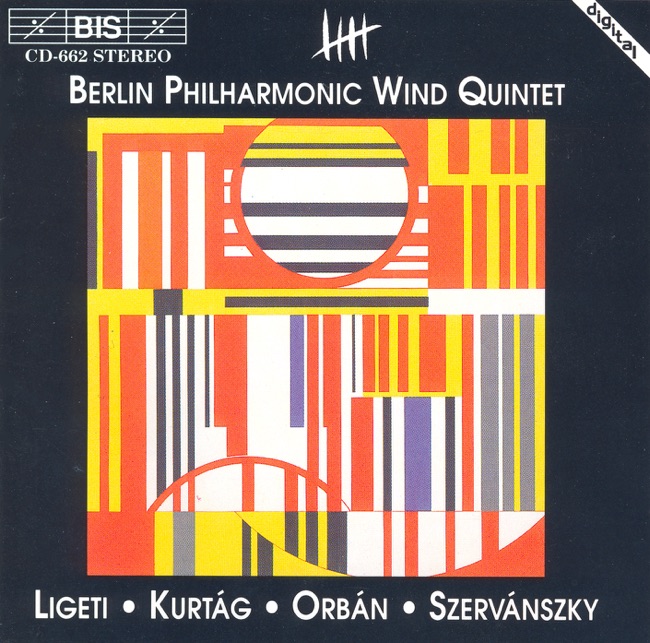 October 14, 1994
Orchestral
Artist Info
Role:ComposerCountry: HungaryBirth:1947Period:ContemporaryGenre:KeyboardVocalGyörgy Orbán is a Hungarian composer of classical music, born on October 25, 1947, in Szeged, Hungary. He grew up in a family of musicians, with his father being a music teacher and his mother a pianist. Orbán started playing the piano at a young age and later learned to play the violin and the guitar. He attended the Béla Bartók Conservatory in Budapest, where he studied composition with Ferenc Farkas and Zoltán Jeney. Orbán's early works were influenced by the music of Béla Bartók and Zoltán Kodály, two of Hungary's most prominent composers. He also drew inspiration from the folk music of Hungary and other Eastern European countries. Orbán's music is characterized by its use of modal harmonies, irregular rhythms, and complex textures. Orbán's first major success as a composer came in 1972, when he won first prize in the International Rostrum of Composers for his piece "Concerto for Orchestra." This piece, which was later recorded by the Hungarian Radio Symphony Orchestra, showcases Orbán's skill in orchestration and his ability to create complex, multi-layered textures. Throughout the 1970s and 1980s, Orbán continued to compose works for orchestra, chamber ensembles, and solo instruments. Some of his most notable works from this period include "Concerto for Violin and Orchestra," "Concerto for Cello and Orchestra," and "Concerto for Guitar and Orchestra." These pieces demonstrate Orbán's ability to write for a variety of instruments and his skill in creating virtuosic solo parts. In the 1990s, Orbán began to focus more on choral music. He has since become one of Hungary's most prominent choral composers, with over 200 works for choir to his name. Orbán's choral music is characterized by its use of rich harmonies, intricate counterpoint, and expressive melodies. One of Orbán's most famous choral works is "Daemon Irrepit Callidus," which was written in 1990. This piece, which is based on a Latin text, has become a staple of the choral repertoire and has been performed by choirs around the world. "Daemon Irrepit Callidus" showcases Orbán's skill in creating complex, multi-layered textures and his ability to write for a large choir. Orbán's other notable choral works include "Mass No. 6," "Laudes Organi," and "Missa Brevis." These pieces demonstrate Orbán's versatility as a composer and his ability to write for a variety of choral forces, from small chamber choirs to large symphonic choruses. In addition to his work as a composer, Orbán has also been a prominent music educator. He has taught composition at the Franz Liszt Academy of Music in Budapest since 1980 and has mentored many of Hungary's most successful young composers. Orbán has also been a guest lecturer and conductor at universities and music festivals around the world. Orbán's contributions to the world of classical music have been recognized with numerous awards and honors. In 2003, he was awarded the Kossuth Prize, Hungary's highest cultural honor. He has also been awarded the Bartók-Pásztory Prize, the Erkel Prize, and the Artisjus Prize, among others. In conclusion, György Orbán is a Hungarian composer of classical music who has made significant contributions to the world of orchestral and choral music. His works are characterized by their use of modal harmonies, irregular rhythms, and complex textures, and he has demonstrated his versatility as a composer by writing for a variety of instruments and choral forces.More....
Recent Artist Music
11
3:28
Copyright Ⓒ 2013 Davinci Finger. All rights reseved
Service Terms & Policy