


Anders Eliasson
Released Album
Symphony
-
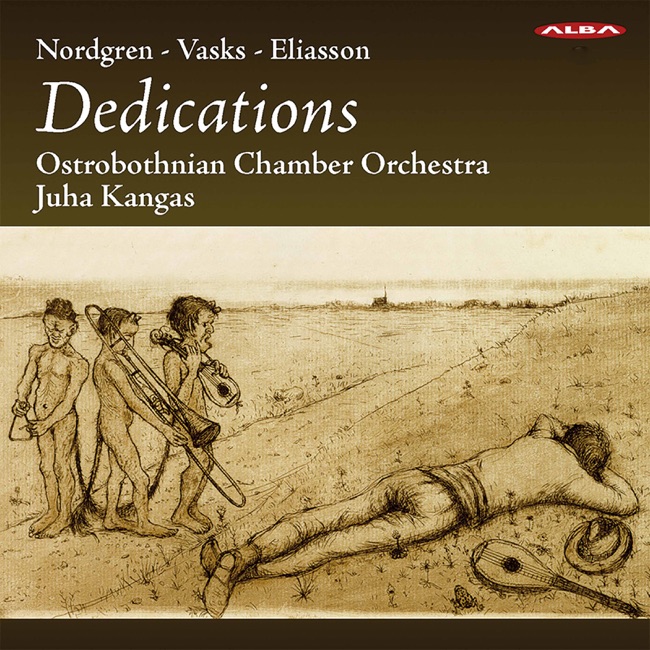 August 11, 2009
 -
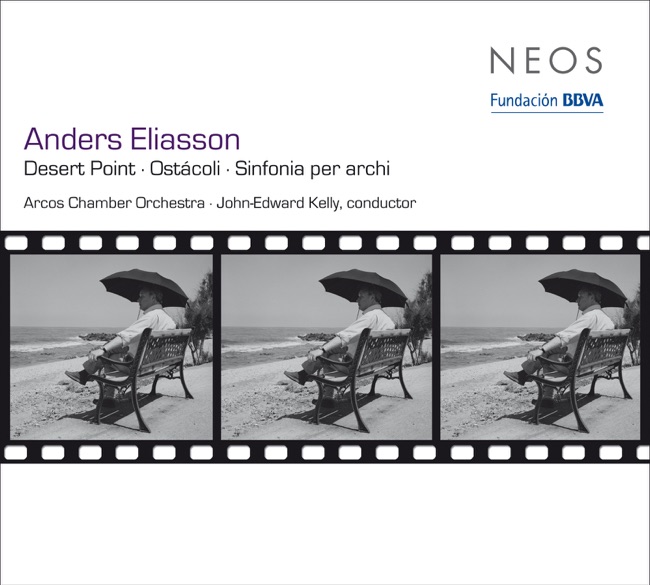 April 28, 2009
 -
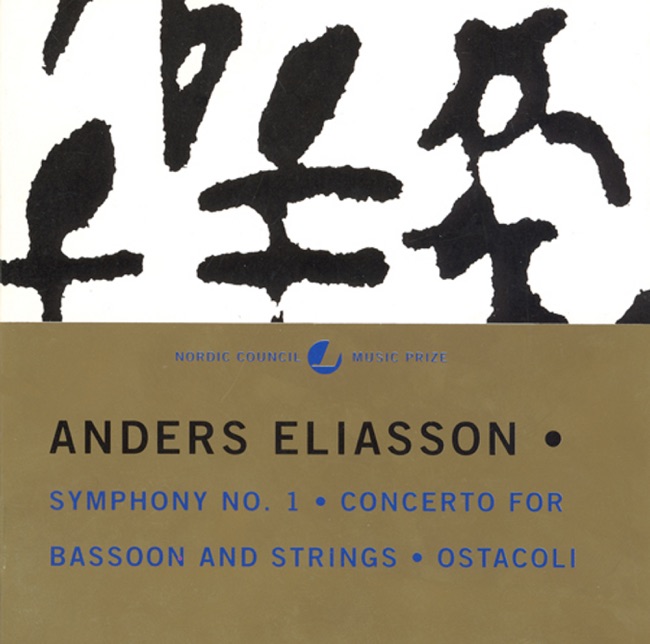
Miscellaneous
-
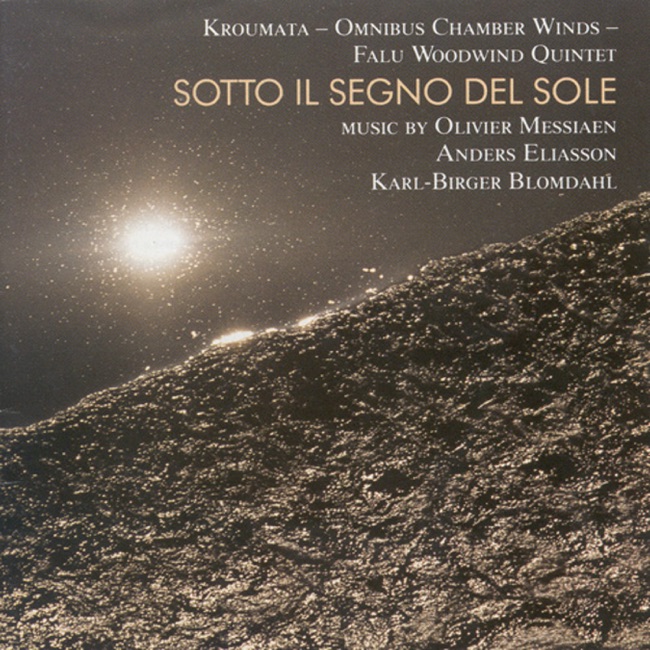 March 30, 2010
 -
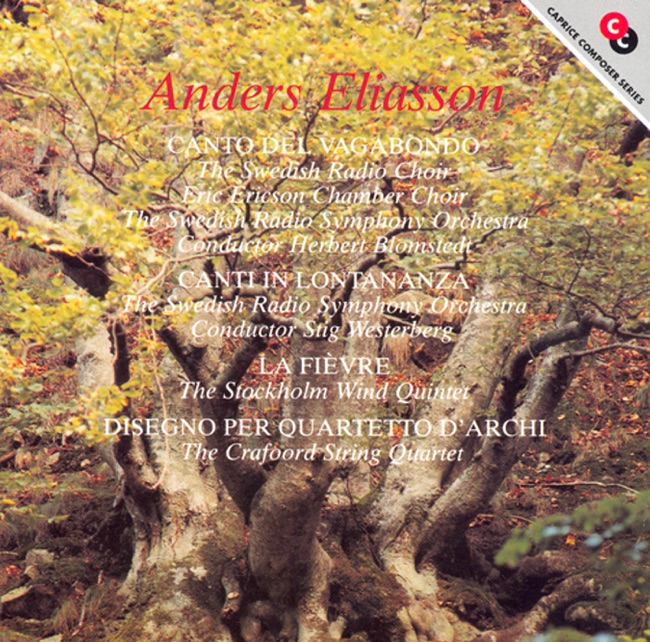 September 1, 1990
Chamber
-
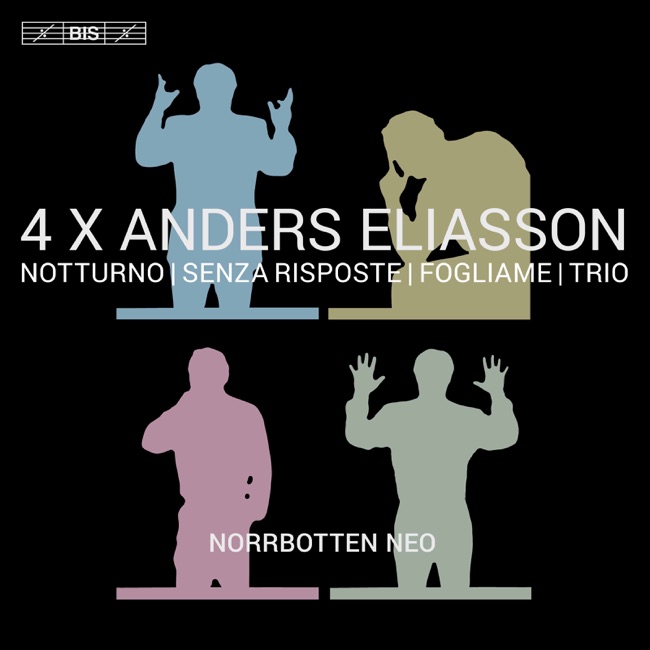
-
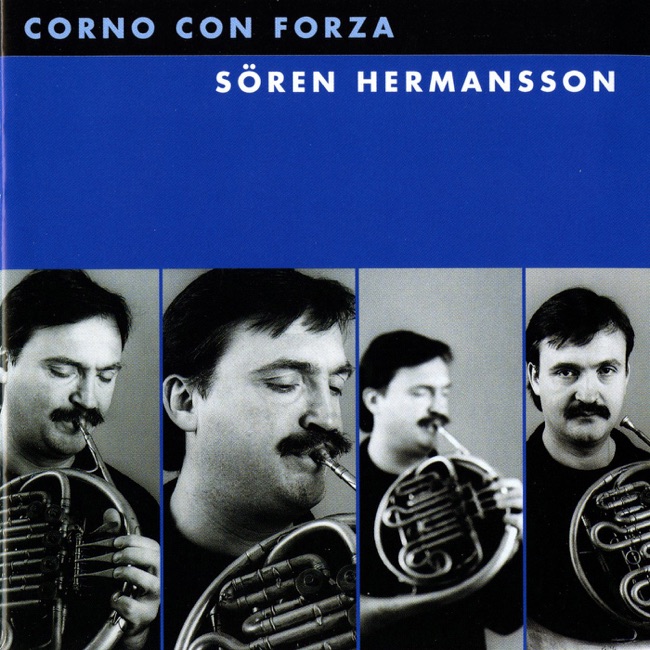 January 10, 2005
 -
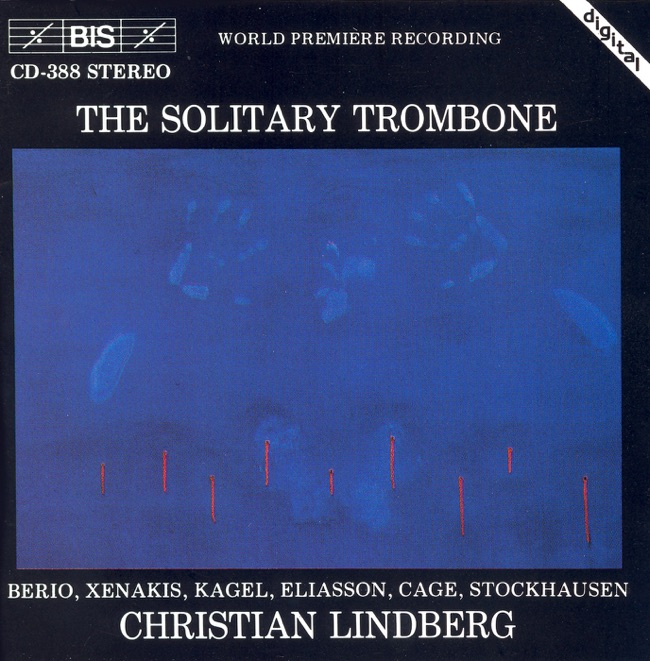 March 25, 1994
Keyboard
-
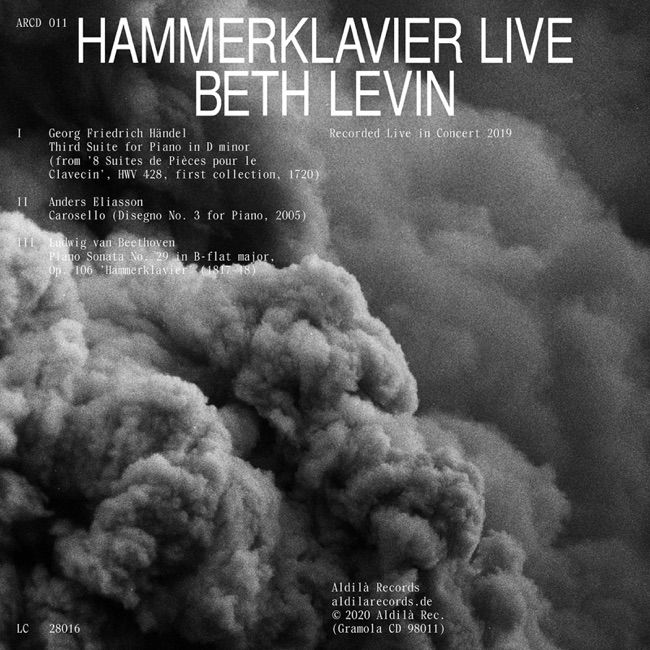 November 20, 2020
 -
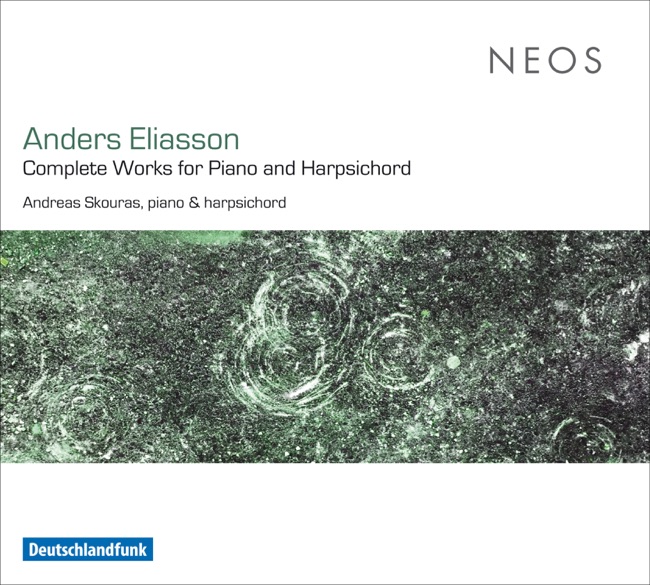 October 20, 2017
 -
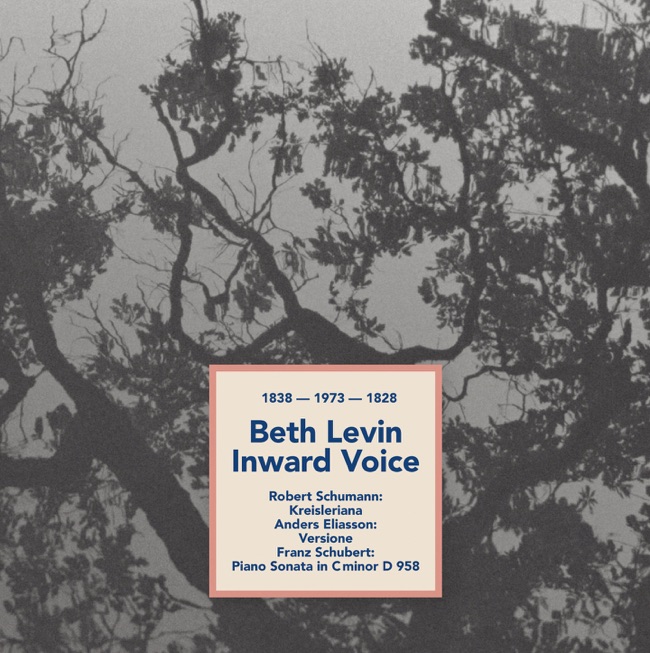 January 8, 2016
 -
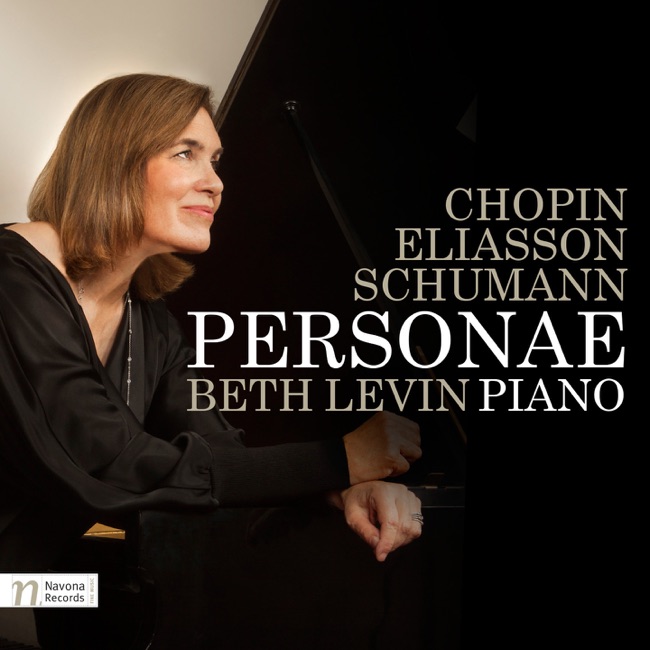 January 8, 2016
Artist Info
Role:ComposerCountry: SwedenBirth:April 3, 1947 in Dalecaria Province, SwedenDeath:May 20, 2013 in Stockholm, SwedenPeriod:ContemporaryGenre:ChamberConcertoAnders Eliasson was a Swedish composer who was born on April 24, 1947, in the town of Boras. He grew up in a family of musicians, with his father being a violinist and his mother a pianist. Eliasson began playing the piano at a young age and showed a natural talent for music. He later studied composition at the Royal College of Music in Stockholm, where he was mentored by the renowned composer Ingvar Lidholm. Eliasson's early works were heavily influenced by the avant-garde movement of the 1960s, which emphasized experimentation and innovation in music. His compositions often featured complex rhythms, dissonant harmonies, and unconventional instrumentation. One of his most notable early works was "Concerto for Orchestra," which was premiered in 1971 and showcased his unique style. Throughout the 1970s and 1980s, Eliasson continued to develop his style and gain recognition as a composer. He received numerous commissions from orchestras and ensembles in Sweden and abroad, and his works were performed at major music festivals around the world. Some of his most notable compositions from this period include "Symphony No. 1," "String Quartet No. 1," and "Piano Concerto No. 1." In the 1990s, Eliasson's style began to shift towards a more tonal and lyrical approach. He began incorporating elements of Swedish folk music and other traditional styles into his compositions, while still maintaining his signature complexity and experimentation. Some of his most notable works from this period include "Symphony No. 2," "Violin Concerto," and "Cello Concerto." Eliasson's later works continued to explore new musical territories and push the boundaries of classical music. He often collaborated with other artists, including dancers, visual artists, and poets, to create multimedia works that combined music with other art forms. Some of his most notable works from this period include "Symphony No. 3," "Concerto for Viola and Orchestra," and "The Four Elements," a multimedia work that combined music, dance, and visual art. Throughout his career, Eliasson received numerous awards and honors for his contributions to classical music. He was awarded the Nordic Council Music Prize in 1993, the Polar Music Prize in 2000, and the Royal Swedish Academy of Music's Gold Medal in 2006. He was also a member of the Royal Swedish Academy of Music and the Royal Swedish Academy of Sciences. Eliasson's music has been described as complex, challenging, and innovative, yet also deeply emotional and expressive. His works often explore themes of nature, spirituality, and the human condition, and are characterized by their intricate textures, rich harmonies, and powerful emotional impact. He is widely regarded as one of Sweden's most important composers of the 20th century, and his music continues to be performed and celebrated around the world.More....
Recent Artist Music
4
20:23
9
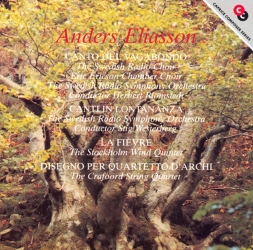
7:41
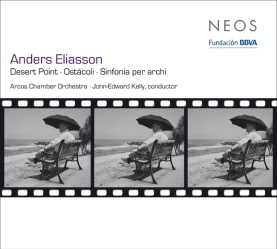
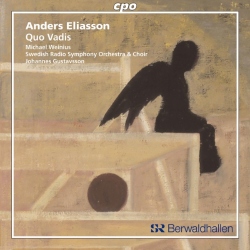
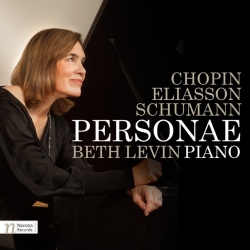
Copyright Ⓒ 2013 Davinci Finger. All rights reseved
Service Terms & Policy