


Qigang Chen
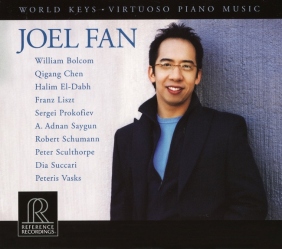
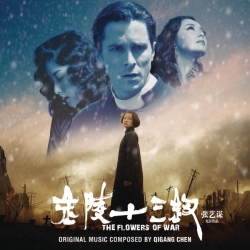
Released Album
Keyboard
-
 August 30, 2011
 -
 November 19, 2008
 -
 June 13, 2006
Orchestral
-
 October 20, 2009
 -
 April 4, 2006
Vocal
-
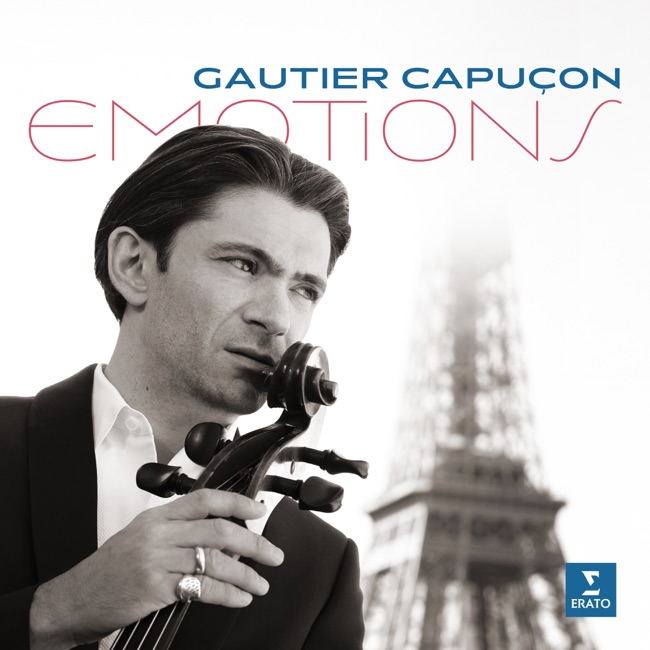 November 20, 2020
 -
 February 12, 2016
Concerto
-
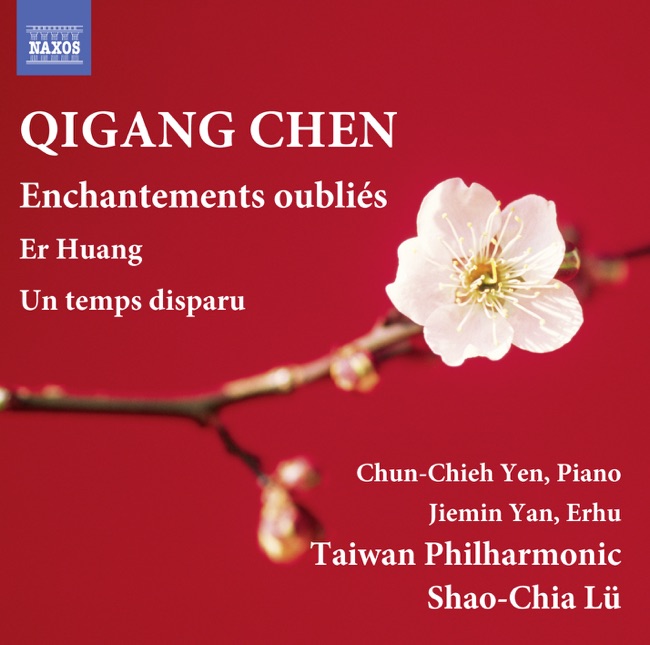 April 8, 2016
Artist Info
Role:ComposerCountry: FranceBirth:August 28, 1951 in Shanghai, ChinaPeriod:ContemporaryGenre:ChamberOrchestralVocalQigang Chen is a Chinese-born composer who has gained international recognition for his unique blend of Western classical music and traditional Chinese elements. Born on August 18, 1951, in Shanghai, Chen grew up in a family of musicians. His father was a composer and conductor, and his mother was a singer. Chen began studying music at a young age and showed a natural talent for composition. Chen's early musical education was heavily influenced by the Chinese Cultural Revolution, which began in 1966. During this time, Western classical music was banned in China, and Chen was forced to study traditional Chinese music. He became proficient in playing the erhu, a two-stringed Chinese instrument, and the suona, a Chinese wind instrument. In 1977, Chen was one of the first Chinese students to be sent to study abroad after the Cultural Revolution. He was accepted into the Central Conservatory of Music in Beijing, where he studied composition with Wu Zuqiang. In 1984, Chen was awarded a scholarship to study at the Conservatoire de Paris, where he studied with Olivier Messiaen and received a degree in composition. Chen's early compositions were heavily influenced by his Chinese heritage. His first major work, "Wu Xing," was written in 1983 and is based on the five elements of Chinese philosophy: wood, fire, earth, metal, and water. The piece features traditional Chinese instruments, including the erhu and the pipa, and blends them with Western orchestral instruments. In the 1990s, Chen began to incorporate more Western elements into his compositions. His works from this period, such as "Iris Dévoilée" and "Enchantements oubliés," feature lush orchestration and complex harmonies. Chen's music has been described as "post-modernist," blending elements of traditional Chinese music, Western classical music, and contemporary techniques. Chen's most famous work is "Iris Dévoilée," which was commissioned by the French Ministry of Culture for the 1994 Cannes Film Festival. The piece was later used as the theme for the 1997 film "The Emperor and the Assassin," directed by Chen Kaige. "Iris Dévoilée" features a solo violin and a large orchestra and has been described as "a hauntingly beautiful work that captures the essence of both Chinese and Western music." Chen has also composed several operas, including "The Last Emperor," which premiered at the Metropolitan Opera in New York in 1997. The opera tells the story of the last emperor of China, Pu Yi, and features a blend of Western and Chinese musical elements. Chen's other operas include "The Chinese Orphan," which premiered in Paris in 1999, and "The Legend of the White Snake," which premiered in Beijing in 2010. In addition to his work as a composer, Chen has also served as a conductor and music director. He was the music director of the Beijing Music Festival from 1998 to 2003 and has conducted orchestras around the world, including the London Symphony Orchestra and the New York Philharmonic. Chen's music has been recognized with numerous awards and honors. In 2001, he was awarded the Chevalier de l'Ordre des Arts et des Lettres by the French government, and in 2010, he was awarded the Golden Lion at the Venice Biennale for his contributions to music. Chen's music has been performed by some of the world's leading orchestras, including the Berlin Philharmonic and the New York Philharmonic.More....

Copyright Ⓒ 2013 Davinci Finger. All rights reseved
Service Terms & Policy