


Kurt-Heinz Stolze
Released Album
Vocal
-
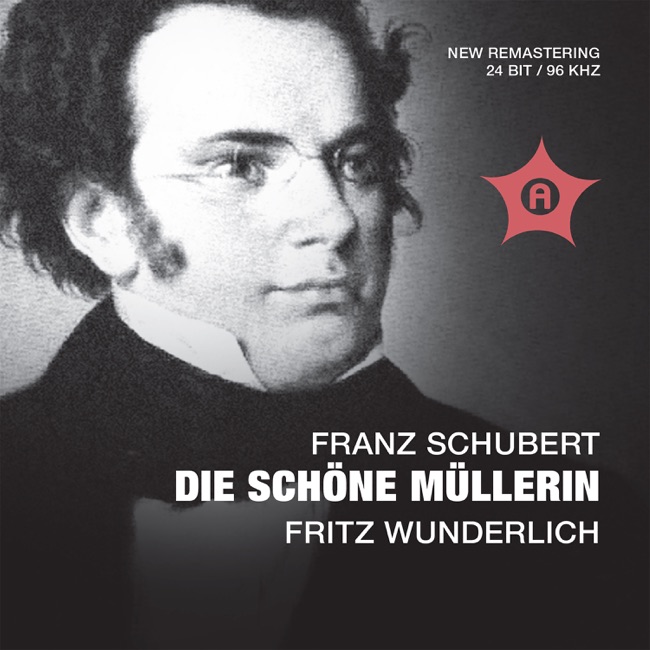 December 15, 2009
 -
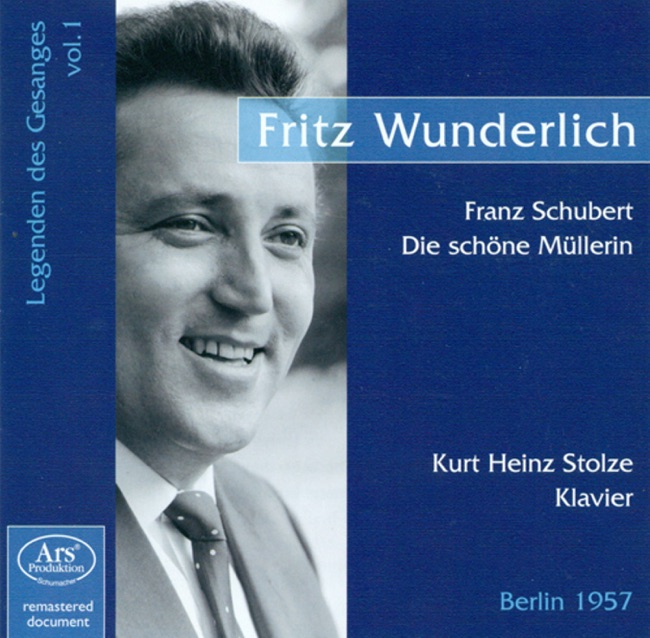 September 30, 2008
Concerto
Orchestral
-
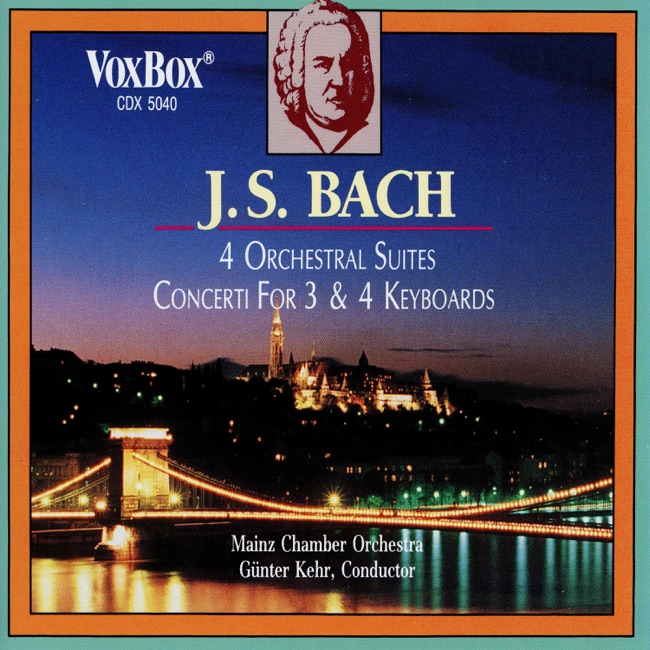 January 1, 1991
Artist Info
Period:BaroqueGenre:ConcertoOrchestralKurt-Heinz Stolze was a German composer, conductor, and pianist who made significant contributions to the world of classical music. He was born on October 4, 1927, in Berlin, Germany, and grew up in a family of musicians. His father was a conductor, and his mother was a singer, which influenced his love for music from a young age. Stolze began his musical education at the age of six, studying piano and composition. He later attended the Berlin Conservatory, where he studied composition with Boris Blacher and conducting with Herbert von Karajan. After completing his studies, Stolze worked as a conductor and pianist in various opera houses and orchestras in Germany. In 1957, Stolze became the conductor of the Berlin State Opera, where he worked for over a decade. During his time there, he conducted numerous operas, including works by Mozart, Verdi, and Wagner. He also worked with some of the most renowned singers of the time, such as Dietrich Fischer-Dieskau and Elisabeth Schwarzkopf. In addition to his work as a conductor, Stolze was also a prolific composer. He wrote music for a variety of genres, including opera, ballet, and film. One of his most famous works is the ballet "The Nutcracker and the Mouse King," which he composed in 1967. The ballet was later adapted into a film by director Roland Petit, with Stolze providing the score. Stolze's work as a composer also extended to the world of film. He wrote the score for several films, including "The Tin Drum" (1979) and "The NeverEnding Story" (1984). His work on "The NeverEnding Story" earned him a nomination for a Grammy Award for Best Album of Original Score Written for a Motion Picture or a Television Special. Throughout his career, Stolze received numerous awards and honors for his contributions to classical music. In 1972, he was awarded the Order of Merit of Berlin, and in 1987, he was awarded the Order of Merit of the Federal Republic of Germany. He was also a member of the Berlin Academy of Arts and the Bavarian Academy of Fine Arts. Stolze continued to work as a composer and conductor until his death on August 24, 1977, in Munich, Germany. His contributions to classical music have left a lasting impact on the world of music, and his legacy continues to inspire new generations of musicians.More....
Recent Artist Music
1
5:36
4
3:52

Copyright Ⓒ 2013 Davinci Finger. All rights reseved
Service Terms & Policy