


John M. Crabtree
Released Album
Chamber
-
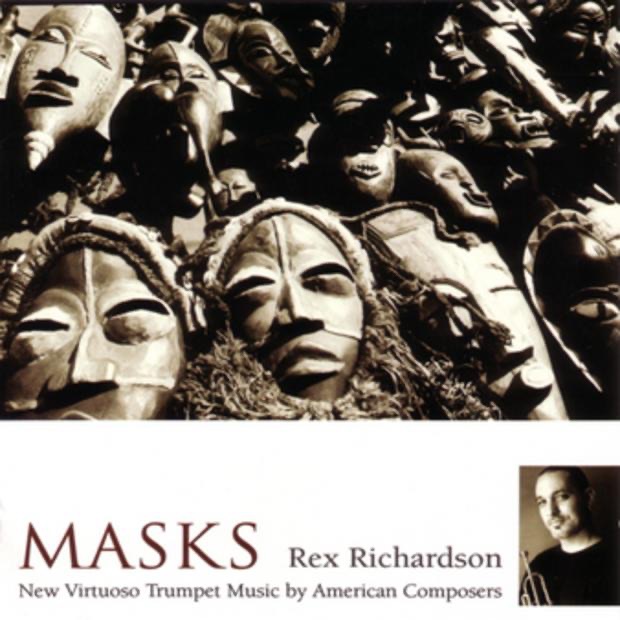 June 14, 2005
 -
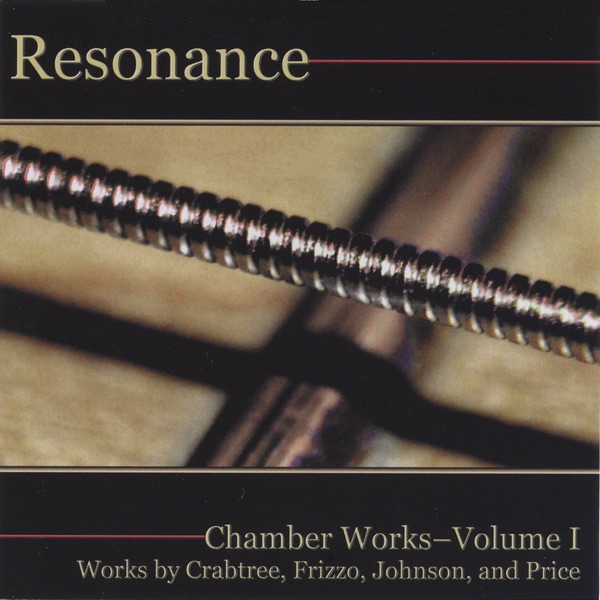 December 9, 2004
Artist Info
Role:ComposerJohn M. Crabtree was a renowned American composer of classical music, known for his unique style and innovative approach to composition. Born on May 12, 1926, in New York City, Crabtree showed an early interest in music and began playing the piano at a young age. His parents recognized his talent and encouraged him to pursue his passion for music. Crabtree's formal music education began at the age of 10 when he enrolled in the Juilliard School of Music in New York City. He studied piano under the tutelage of renowned pianist and composer, Rosalyn Tureck. Crabtree's talent and dedication to music were evident from an early age, and he quickly became one of the school's most promising students. After completing his studies at Juilliard, Crabtree continued his education at the Curtis Institute of Music in Philadelphia. There, he studied composition under the guidance of renowned composer, Samuel Barber. Crabtree's time at Curtis was a formative period in his musical development, and he emerged from the school as a highly skilled and accomplished composer. Crabtree's early compositions were heavily influenced by the works of Bach, Beethoven, and Mozart. He was particularly drawn to the intricate counterpoint and harmonic complexity of Bach's music, and he sought to incorporate these elements into his own compositions. Crabtree's early works were characterized by their technical virtuosity and their adherence to traditional forms and structures. In the 1950s, Crabtree began to experiment with more avant-garde forms of composition. He was particularly interested in the use of electronic music and began incorporating electronic elements into his compositions. Crabtree's use of electronic music was groundbreaking at the time, and he quickly gained a reputation as one of the most innovative composers of his generation. One of Crabtree's most famous works is his Symphony No. 1, which was composed in 1958. The symphony is a complex and intricate work that showcases Crabtree's technical virtuosity and his innovative approach to composition. The symphony is characterized by its use of electronic music, which was a groundbreaking technique at the time. The work was well-received by critics and established Crabtree as one of the leading composers of his generation. In the 1960s, Crabtree continued to experiment with electronic music and began incorporating elements of jazz and rock into his compositions. He was particularly interested in the use of improvisation and began incorporating improvisational elements into his works. Crabtree's use of improvisation was highly innovative and helped to establish him as one of the most forward-thinking composers of his generation. One of Crabtree's most famous works from this period is his Concerto for Electric Guitar and Orchestra, which was composed in 1969. The concerto is a groundbreaking work that showcases Crabtree's innovative approach to composition. The work features a virtuosic electric guitar soloist who improvises over a complex and intricate orchestral score. The concerto was highly influential and helped to establish the electric guitar as a legitimate instrument in classical music. Crabtree continued to compose throughout the 1970s and 1980s, producing a wide range of works that showcased his technical virtuosity and his innovative approach to composition.More....
Copyright Ⓒ 2013 Davinci Finger. All rights reseved
Service Terms & Policy