


Günter Kochan
Released Album
Vocal
Concerto
-
 May 13, 2016
Chamber
-
 February 8, 1995
Artist Info
Role:ComposerBirth:October 2, 1930Period:ContemporaryGenre:ChamberConcertoKeyboardSymphonyVocalGünter Kochan was a German composer and music educator who was born on August 3, 1930, in Berlin, Germany. He was the son of a music teacher and grew up in a musical family. Kochan began his musical education at an early age, studying piano and composition with his father. He later studied at the Berlin Conservatory, where he received a degree in composition. Kochan's early works were influenced by the music of Arnold Schoenberg and the Second Viennese School. He was also influenced by the music of Igor Stravinsky and Paul Hindemith. Kochan's early works were characterized by their use of atonality and serialism. However, he later moved away from these techniques and began to incorporate tonality and traditional forms into his music. Kochan's career as a composer began to take off in the 1950s. He won several awards for his compositions, including the National Prize of the German Democratic Republic in 1958. Kochan's music was performed throughout Europe and the Soviet Union. He was also a prolific composer, writing over 200 works in a variety of genres, including orchestral music, chamber music, vocal music, and music for the stage. One of Kochan's most famous works is his Symphony No. 1, which was composed in 1957. The symphony is a large-scale work that is characterized by its use of atonality and serialism. The work is divided into four movements, each of which explores a different musical idea. The symphony was well-received by critics and helped establish Kochan as one of the leading composers of his generation. Kochan's music continued to evolve throughout the 1960s and 1970s. He began to incorporate tonality and traditional forms into his music, while still retaining his unique style. One of his most famous works from this period is his Concerto for Violin and Orchestra, which was composed in 1972. The concerto is a virtuosic work that showcases the technical abilities of the soloist. The work is characterized by its use of tonality and traditional forms, while still retaining Kochan's unique style. In addition to his work as a composer, Kochan was also a respected music educator. He taught at the Berlin Conservatory from 1961 to 1971 and at the Academy of Arts in Berlin from 1971 to 1990. He was also a member of the East German Composers' Union and served as its chairman from 1974 to 1989. Kochan's music continued to be performed and recorded throughout the 1980s and 1990s. He received several awards for his contributions to music, including the Order of Merit of Berlin in 1985 and the National Prize of the German Democratic Republic in 1986. Kochan died on February 22, 2009, in Berlin, Germany, at the age of 78. In conclusion, Günter Kochan was a prolific composer and music educator who made significant contributions to the world of classical music. His early works were characterized by their use of atonality and serialism, while his later works incorporated tonality and traditional forms. Kochan's music was performed throughout Europe and the Soviet Union and helped establish him as one of the leading composers of his generation. He was also a respected music educator who taught at several institutions and served as the chairman of the East German Composers' Union. Kochan's music continues to be performed and recorded today, and his contributions to the world of classical music will not be forgotten.More....
Recent Artist Music
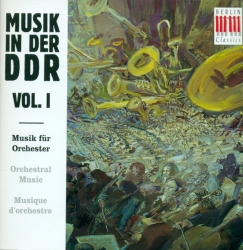
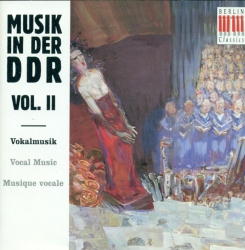
4
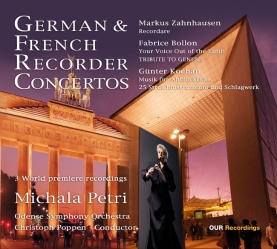
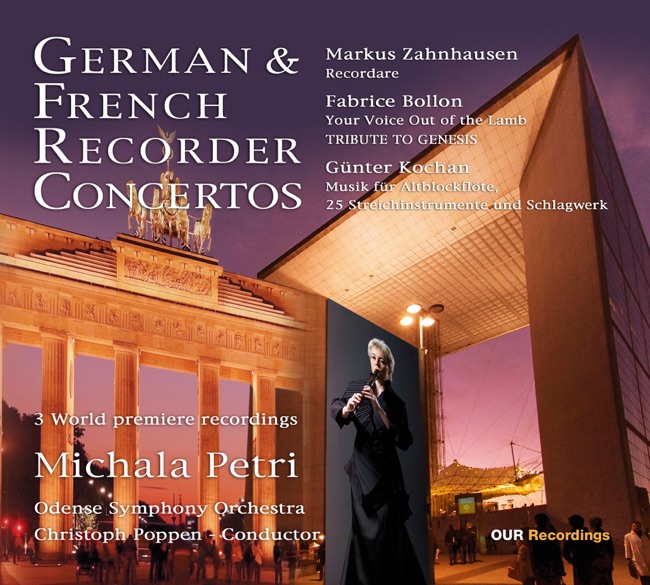
Music for viola recorder, 25 string instruments & percussion
Moderato - Adagio - Moderato - Adagio
2:35
Copyright Ⓒ 2013 Davinci Finger. All rights reseved
Service Terms & Policy