


Neil Gladd
Released Album
Orchestral
-
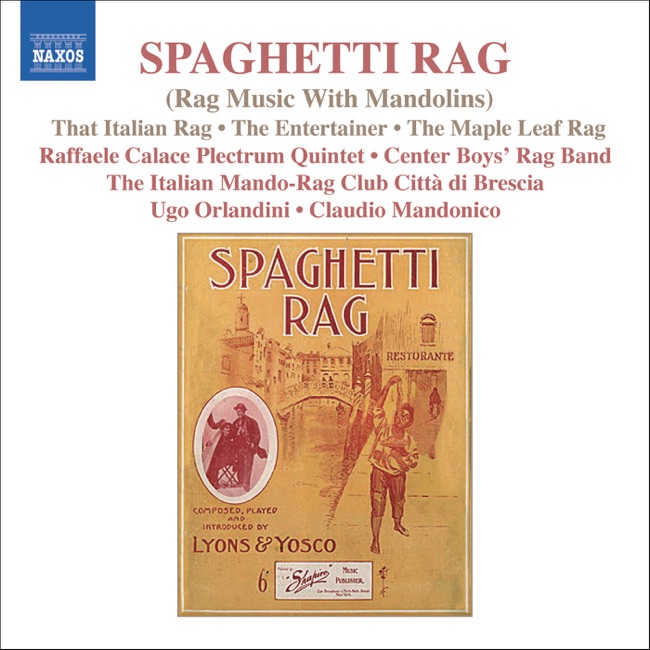 November 21, 2006
Keyboard
-
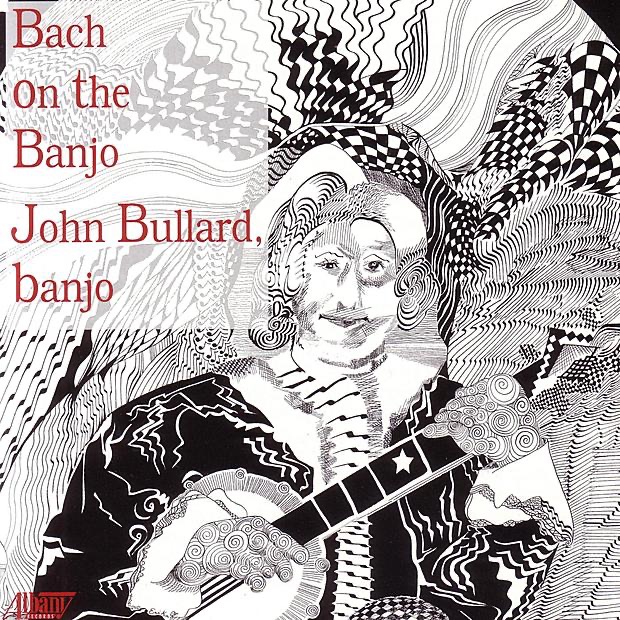 July 1, 1997
Artist Info
Role:ComposerPeriod:BaroqueGenre:ChamberConcertoKeyboardOrchestralNeil Gladd was a renowned American composer of classical music, known for his unique style and innovative approach to composition. Born on May 12, 1952, in New York City, Gladd showed an early interest in music and began playing the piano at the age of six. He grew up in a family of musicians, with his father being a jazz pianist and his mother a classical pianist. This early exposure to music had a profound impact on Gladd's development as a musician and composer. Gladd attended the Juilliard School in New York City, where he studied composition with Milton Babbitt and Roger Sessions. He also studied piano with Adele Marcus and chamber music with Felix Galimir. During his time at Juilliard, Gladd developed a deep appreciation for the works of Arnold Schoenberg and other composers associated with the Second Viennese School. This influence can be seen in many of his early compositions, which often featured atonal and serialist techniques. After graduating from Juilliard in 1974, Gladd began his career as a composer, writing works for a variety of ensembles and soloists. His early works were often experimental in nature, exploring new techniques and approaches to composition. One of his most notable early works is "String Quartet No. 1," which was premiered by the Juilliard String Quartet in 1976. This work features complex rhythms and harmonies, as well as extended techniques such as col legno and sul ponticello. In the 1980s, Gladd began to move away from atonal and serialist techniques and towards a more tonal and expressive style. This shift can be seen in works such as "Piano Sonata No. 1" and "Symphony No. 1," both of which were composed in the early 1980s. These works feature lush harmonies and melodic lines, as well as a greater emphasis on emotional expression. Throughout his career, Gladd was known for his ability to write for a wide range of ensembles and instruments. He wrote works for orchestra, chamber ensembles, solo instruments, and voice. One of his most notable works for orchestra is "Concerto for Orchestra," which was premiered by the New York Philharmonic in 1992. This work features a virtuosic display of orchestral color and texture, as well as a wide range of musical styles and influences. Gladd was also known for his collaborations with other artists, including choreographers, visual artists, and writers. One of his most notable collaborations was with the choreographer Mark Morris, with whom he worked on several ballets, including "Gloria" and "Maelstrom." Gladd's music for these ballets was praised for its rhythmic vitality and emotional depth. In addition to his work as a composer, Gladd was also a respected teacher and mentor. He taught composition at the Juilliard School, the Manhattan School of Music, and the University of Michigan. Many of his students went on to have successful careers as composers and performers. Gladd's music has been performed by some of the world's leading orchestras and ensembles, including the New York Philharmonic, the Chicago Symphony Orchestra, and the Kronos Quartet. He received numerous awards and honors throughout his career, including a Guggenheim Fellowship, a Fulbright Fellowship, and the Rome Prize. Sadly, Gladd passed away on December 31, 2003, at the age of 51. His legacy as a composer and teacher continues to inspire and influence musicians and audiences around the world.More....
Copyright Ⓒ 2013 Davinci Finger. All rights reseved
Service Terms & Policy