


Yasha Krein
Released Album
Chamber
-

-
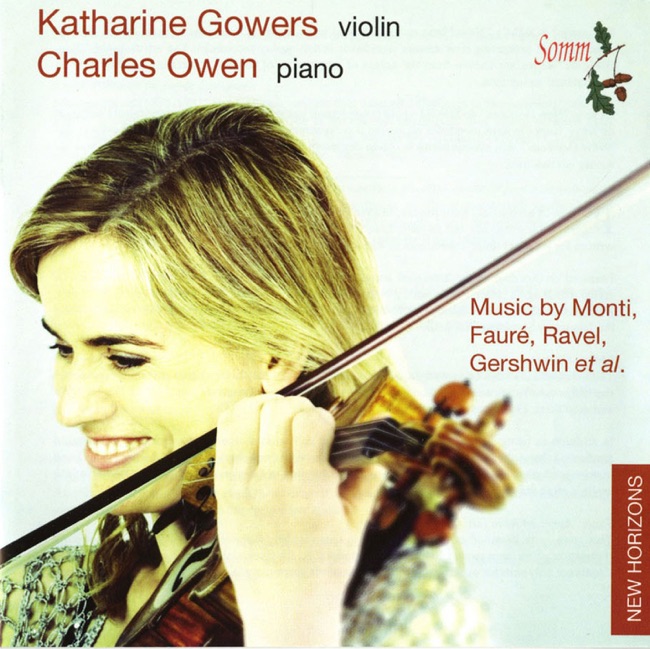 September 18, 2007
Artist Info
Role:ComposerCountry: RussiaBirth:ca. 1880 in RussiaDeath:1946 in EnglandYasha Krein was a Russian-born composer and pianist who lived from 1884 to 1951. He was born in the city of Odessa, which was then part of the Russian Empire. Krein's family was Jewish, and he grew up in a household that valued music and the arts. His father was a cantor, and his mother was a pianist. Krein began playing the piano at a young age and showed great talent from the start. Krein's family moved to Moscow when he was a teenager, and he continued his musical studies there. He studied piano with Alexander Goldenweiser and composition with Sergei Taneyev, who was a student of Tchaikovsky. Krein was also influenced by the music of other Russian composers such as Rachmaninoff, Scriabin, and Stravinsky. Krein began his career as a pianist, performing in concerts and recitals throughout Russia and Europe. He was known for his virtuosic playing and his ability to interpret the works of other composers. However, Krein was also interested in composing his own music, and he began to write pieces for piano and other instruments. Krein's early compositions were influenced by the Romantic style of music that was popular in Russia at the time. He wrote several works for piano, including a set of preludes and a sonata. He also wrote chamber music, such as a string quartet and a piano trio. In 1917, the Russian Revolution brought about significant changes in the country, including the establishment of the Soviet Union. Krein, who was Jewish, faced discrimination and persecution under the new regime. He was forced to leave Russia and eventually settled in Paris, where he continued to compose and perform. Krein's music changed significantly during his time in Paris. He was exposed to new styles of music, including jazz and the music of Debussy and Ravel. He began to incorporate these influences into his own compositions, creating a unique style that blended elements of Romanticism, Impressionism, and modernism. One of Krein's most significant works from this period is his Piano Concerto No. 1, which he composed in 1924. The concerto is a virtuosic showcase for the soloist, with sweeping melodies and intricate passagework. It also features elements of jazz, particularly in the syncopated rhythms of the second movement. Krein continued to compose throughout the 1920s and 1930s, writing works for piano, chamber ensembles, and orchestra. He also wrote music for films, including the score for the 1937 French film "La Grande Illusion." In 1940, Krein fled Paris as the city fell to the Nazis. He eventually settled in the United States, where he continued to compose and perform. However, his music was not as well-received in America as it had been in Europe. He struggled to find work as a composer and pianist and was forced to take on odd jobs to make ends meet. Krein's later works reflect his struggles and his sense of displacement. He wrote several pieces for solo piano, including a set of variations on a Jewish folk song. He also wrote a string quartet that incorporates elements of Jewish music. Krein died in New York City in 1951, at the age of 67. His music has been largely forgotten in the years since his death, but there has been a renewed interest in his work in recent years. Several recordings of his music have been released, and his Piano Concerto No. 1 has been performed by several orchestras around the world.More....
Recent Artist Music


Copyright Ⓒ 2013 Davinci Finger. All rights reseved
Service Terms & Policy