


Antonio Sacchini
Released Album
Opera
-
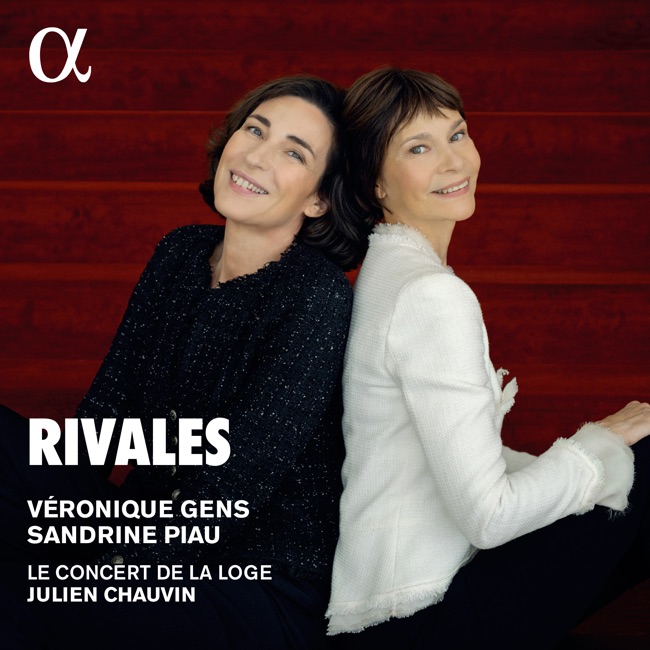 April 8, 2022
 -
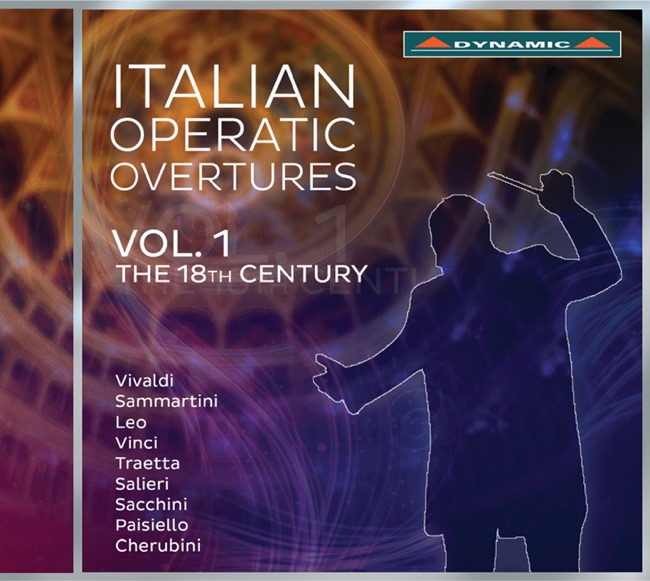 June 24, 2016
 -
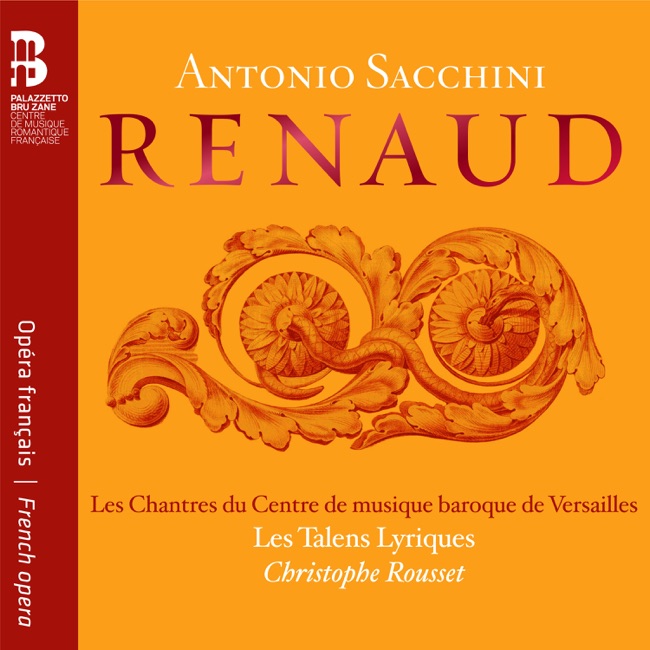 July 30, 2013
 -
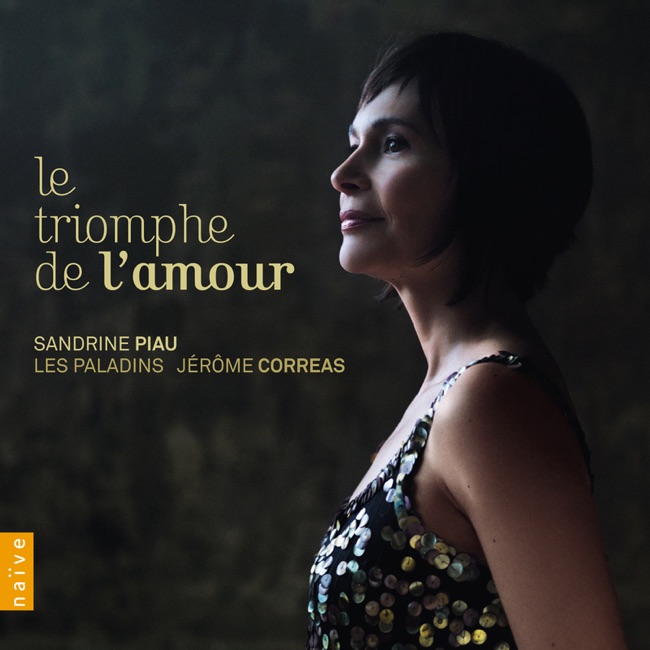 March 27, 2012
 -
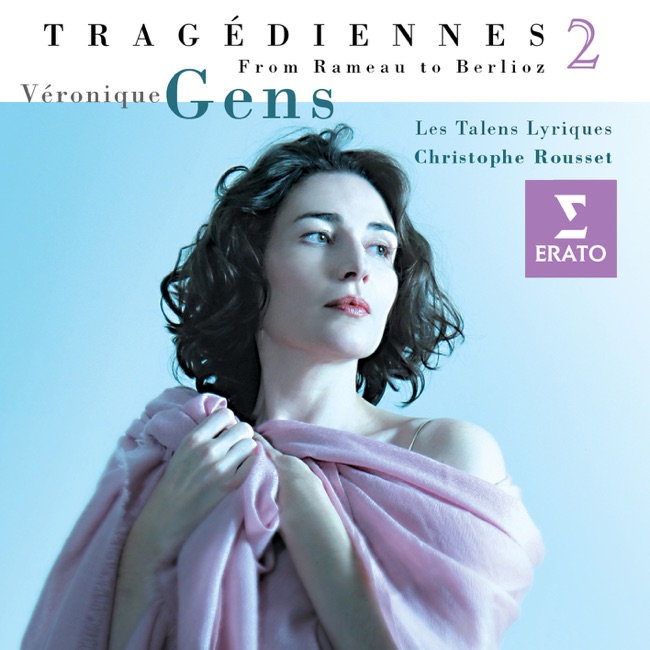 June 1, 2009
 -
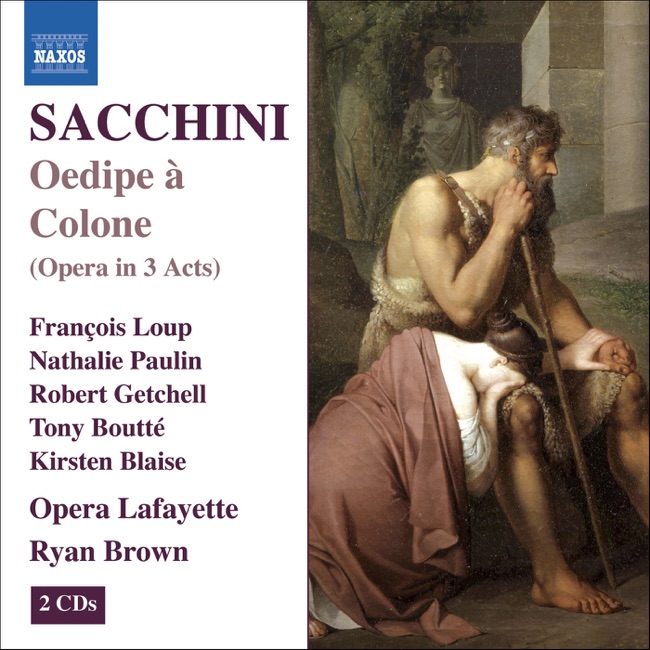 September 26, 2006
Chamber
-
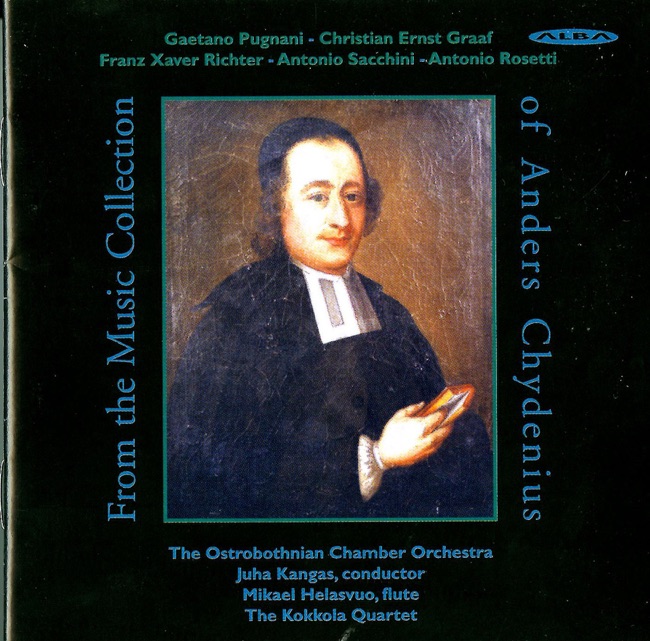 June 29, 2004
 -
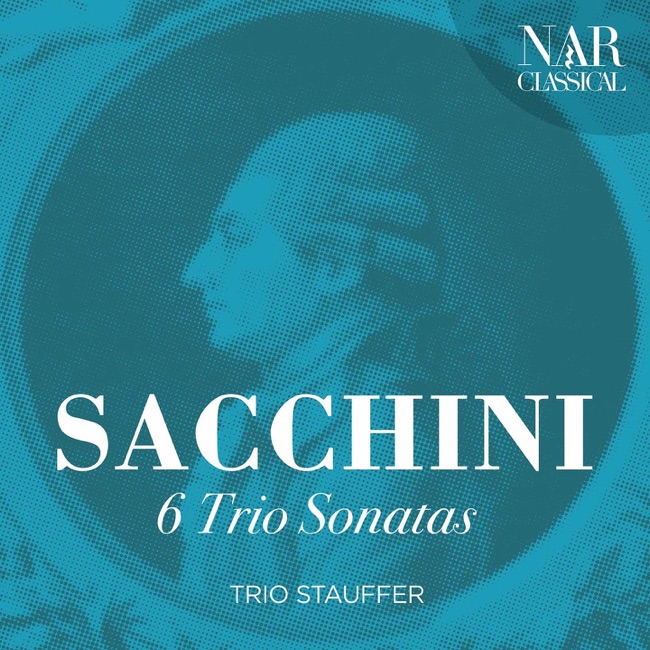
-
Artist Info
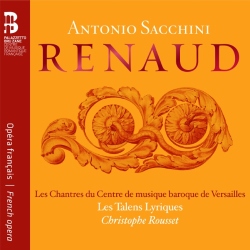
Role:ComposerCountry: ItalyBirth:June 14, 1730 in Naples, ItalyDeath:October 6, 1786Period:ClassicalGenre:ChamberAntonio Sacchini was a prominent Italian composer of the classical era, known for his operas and sacred music. He was born on June 14, 1730, in Florence, Italy, to a family of musicians. His father, Gaetano Sacchini, was a violinist and composer, and his mother, Maria Maddalena Baldi, was a singer. Antonio showed an early interest in music and began studying the violin and composition at a young age. In 1751, Sacchini moved to Naples to further his musical education. He studied under the renowned composer Francesco Durante and quickly gained a reputation as a talented composer. In 1758, he was appointed as the maestro di cappella at the Cathedral of San Lorenzo in Naples, where he composed a number of sacred works. Sacchini's first opera, "L'eroismo ridicolo," was performed in Naples in 1760. The opera was well-received and led to further commissions. In 1762, he moved to Rome, where he composed several operas for the Teatro delle Dame. His opera "Lucio Silla" was particularly successful and was performed in several cities throughout Italy. In 1769, Sacchini was invited to Paris to compose an opera for the Académie Royale de Musique. His opera "Ernelinde, princesse de Norvège" was a great success and established his reputation in France. He went on to compose several more operas for the Parisian stage, including "Renaud," "Oedipe à Colone," and "Armide et Renaud." Sacchini's operas were known for their lyrical melodies, elegant orchestration, and dramatic intensity. He was particularly skilled at writing for the voice, and his arias and duets were highly regarded for their beauty and expressiveness. His music was influenced by the Italian opera tradition but also showed the influence of French music, particularly in his use of dance rhythms and instrumental color. In addition to his operas, Sacchini composed a number of sacred works, including masses, motets, and oratorios. His sacred music was characterized by its simplicity and clarity, and he often used homophonic textures and straightforward harmonies. Despite his success in France, Sacchini faced financial difficulties throughout his career. He was often in debt and had to rely on the patronage of wealthy individuals to support his work. In 1781, he was appointed as the court composer to Marie Antoinette, but the position did not provide him with the financial security he needed. In 1786, Sacchini's health began to decline, and he was forced to give up his position at the court. He returned to Italy, where he continued to compose but struggled to make ends meet. He died on October 6, 1786, in Paris, while on a trip to seek medical treatment. Despite his relatively short career, Sacchini left a significant mark on the world of classical music. His operas were highly regarded in his lifetime and continued to be performed throughout the 18th and 19th centuries. His influence can be seen in the works of later composers, including Mozart and Rossini, who were both admirers of his music. Some of Sacchini's most famous works include "Lucio Silla," "Ernelinde, princesse de Norvège," "Renaud," and "Oedipe à Colone." His sacred music includes works such as the "Missa pro defunctis" and the "Stabat Mater." His music is characterized by its elegance, lyricism, and emotional depth, and he is considered one of the most important composers of the classical era.More....
Recent Artist Music
5
3:13
13
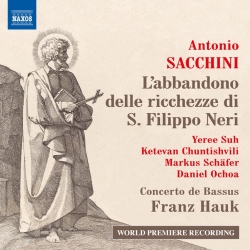
L'abbandono delle ricchezze di S. Filippo Neri (Saint Philip Neri's Renunciation of All Worldly Wealth)
Part I. Aria: Vanne sospir tremante figlio del cor fedele
5:28
14
4:39
Copyright Ⓒ 2013 Davinci Finger. All rights reseved
Service Terms & Policy