


Phil Kline
Released Album
Chamber
-
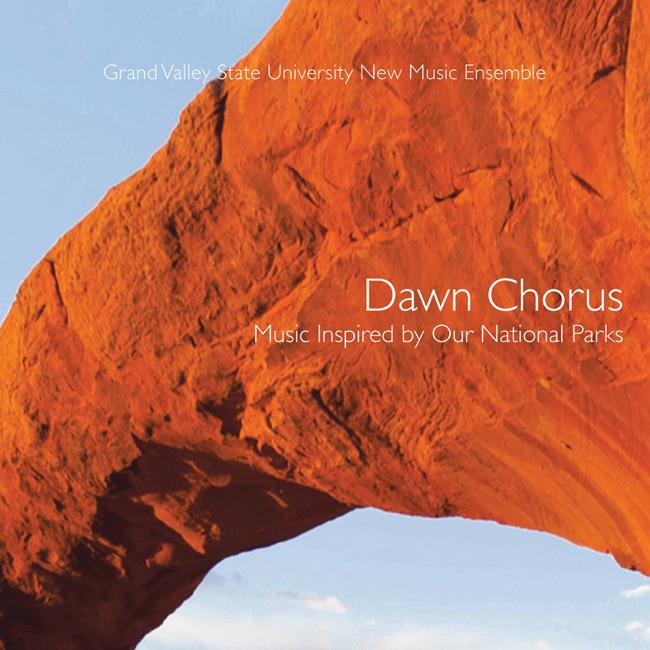 April 24, 2020
 -
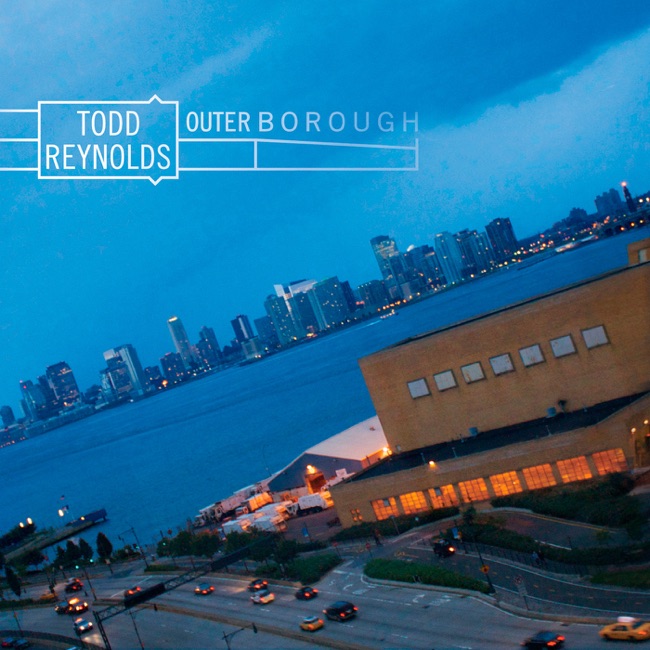 March 29, 2011
 -
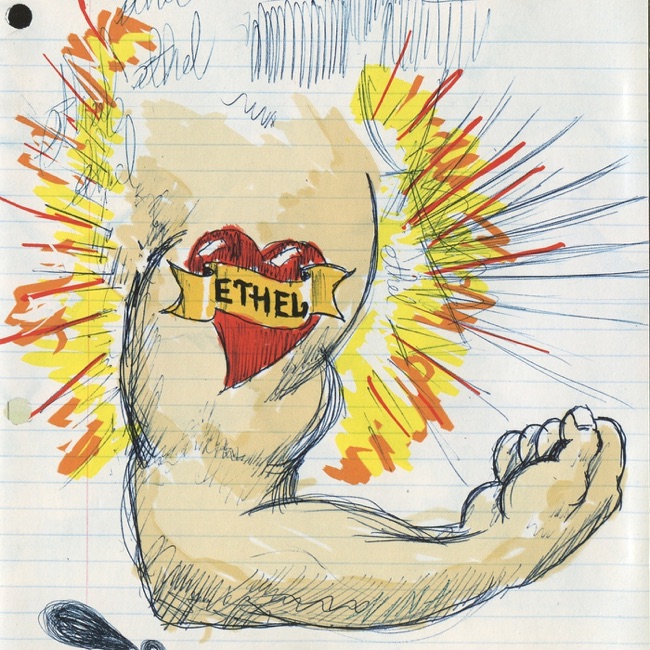 October 14, 2003
Keyboard
-
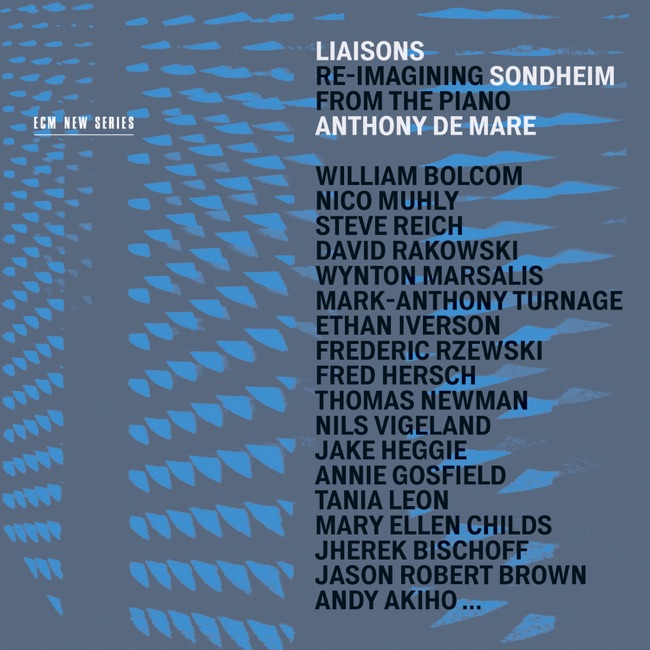 September 25, 2015
 -
 September 24, 2013
 -
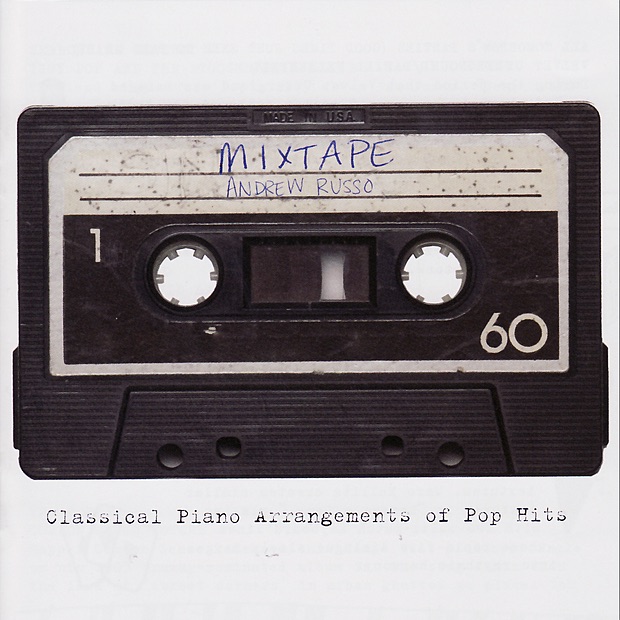 August 12, 2008
Miscellaneous
-
 August 22, 1995
 -
 September 13, 1994
Vocal
-
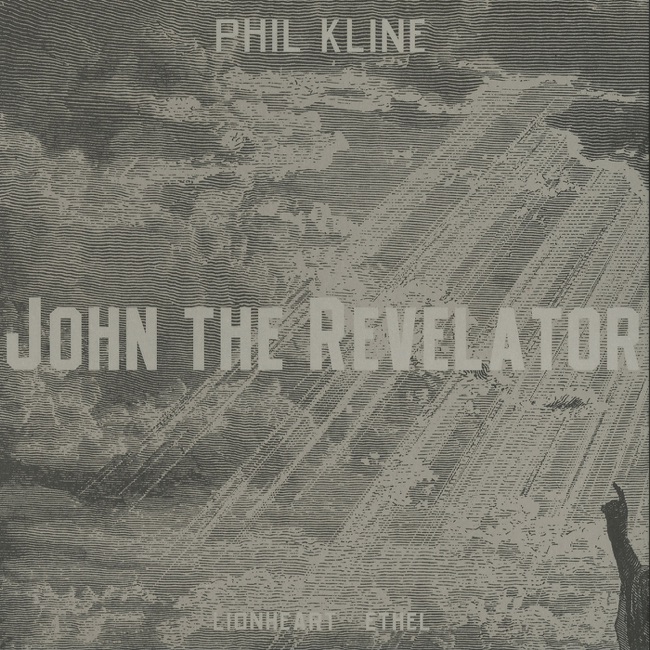 January 1, 2011
 -
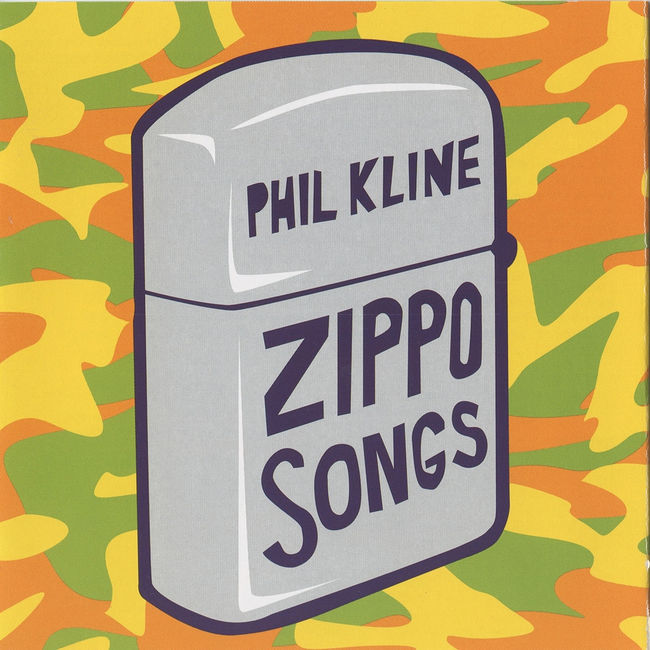 January 13, 2004
Artist Info
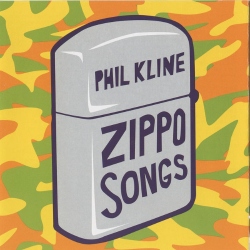
Role:ComposerBirth:in Pittsburgh, PAGenre:ChamberPhil Kline is a contemporary American composer who has made significant contributions to the world of classical music. Born on March 24, 1953, in Akron, Ohio, Kline grew up in a musical family. His father was a jazz pianist, and his mother was a singer. Kline started playing the piano at a young age and showed a keen interest in music. He attended Columbia University, where he studied music composition under the guidance of Jack Beeson and Mario Davidovsky. Kline's early works were influenced by minimalism, a style of music that emerged in the 1960s and 1970s. His compositions were characterized by repetitive patterns and simple harmonic structures. In 1983, Kline composed his first major work, "Unsilent Night," a piece for boomboxes. The piece involves a group of people walking through the streets, each carrying a boombox playing a different part of the composition. The result is a unique and immersive sound experience that has become a holiday tradition in many cities around the world. In the 1990s, Kline's music took a more experimental turn. He began incorporating electronic sounds and found objects into his compositions. One of his most notable works from this period is "Zippo Songs," a collection of songs based on the inscriptions found on Zippo lighters. The songs are performed by a vocalist and a chamber ensemble and feature a wide range of musical styles, from rock to classical. Kline's music has been performed by many prominent ensembles and musicians, including the Kronos Quartet, the Bang on a Can All-Stars, and the American Composers Orchestra. He has also collaborated with artists from other disciplines, such as choreographer Karole Armitage and visual artist Jim Hodges. In addition to his work as a composer, Kline is also a respected music critic and writer. He has written for publications such as The New York Times, The Village Voice, and The Wire. His book, "John Cage: Music, Philosophy, and Intention, 1933-1950," is considered a seminal work on the influential composer. Kline's music continues to evolve and push boundaries. In recent years, he has explored the intersection of music and technology, creating works that incorporate virtual reality and augmented reality. His most recent work, "The Astronaut's Tale," is an opera that tells the story of a fictional astronaut who becomes stranded in space. The opera features a libretto by Gene Scheer and was commissioned by the Houston Grand Opera. Throughout his career, Kline has been recognized for his contributions to the world of classical music. He has received numerous awards and honors, including a Guggenheim Fellowship, a Rome Prize, and a grant from the National Endowment for the Arts. His music has been performed at major venues around the world, including Carnegie Hall, the Kennedy Center, and the Barbican Centre. In conclusion, Phil Kline is a composer who has made significant contributions to the world of classical music. His music is characterized by its experimental nature and its willingness to push boundaries. Kline's work has been performed by many prominent ensembles and musicians, and he has collaborated with artists from other disciplines. His contributions to the world of classical music have been recognized with numerous awards and honors, and his music continues to evolve and inspire.More....
Recent Artist Music




Copyright Ⓒ 2013 Davinci Finger. All rights reseved
Service Terms & Policy