


Manuscrit du Puy Anonymous
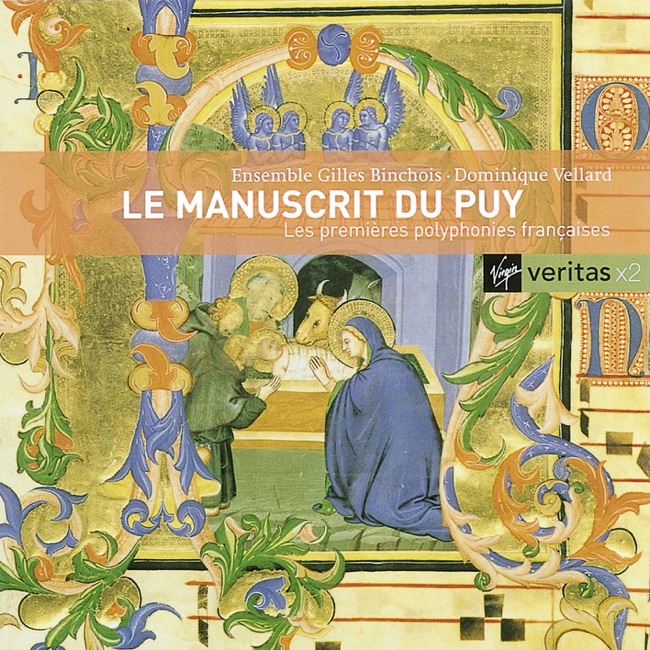
Artist Info
Role:ComposerGenre:ChoralManuscrit du Puy Anonymous is a classical music composer whose identity remains unknown to this day. The only information available about the composer is that he or she lived in the 14th century and was associated with the region of Puy-en-Velay in France. Despite the lack of information about the composer, the Manuscrit du Puy, a collection of 14th-century French polyphonic music, has been attributed to him or her. The Manuscrit du Puy is a manuscript that contains 146 pieces of music, including motets, ballades, and rondeaux. The manuscript is believed to have been compiled in the 1370s and is one of the most important sources of French polyphonic music from the 14th century. The music in the manuscript is written in a style that is typical of the Ars Nova period, which was a time of great innovation in music composition. The music in the Manuscrit du Puy is characterized by its complex rhythms and harmonies, as well as its use of isorhythm, a technique that involves repeating a rhythmic pattern throughout a piece of music. The motets in the manuscript are particularly noteworthy for their use of multiple texts, which were often in different languages. This was a departure from the traditional practice of setting a single text to music. One of the most famous pieces in the Manuscrit du Puy is the motet "Flos Filius Eius," which is believed to have been composed by Manuscrit du Puy Anonymous. The motet is written in three parts and is based on a text from the Song of Solomon. The piece is notable for its use of isorhythm and its complex harmonies. Another notable piece in the manuscript is the ballade "En attendant esperance que soye," which is also believed to have been composed by Manuscrit du Puy Anonymous. The ballade is written in three parts and is notable for its use of syncopation, a technique that involves accenting the offbeat. The piece is also notable for its use of a refrain, which was a common feature of French secular music at the time. Despite the lack of information about the composer, the Manuscrit du Puy has had a significant impact on the history of music. The manuscript is an important source of information about the development of French polyphonic music in the 14th century and has been studied extensively by musicologists. The music in the manuscript has also been performed and recorded by numerous ensembles, ensuring that the legacy of Manuscrit du Puy Anonymous will continue to be celebrated for years to come.More....
Recent Artist Music
Copyright Ⓒ 2013 Davinci Finger. All rights reseved
Service Terms & Policy