


Don Haddad
Released Album
Chamber
-
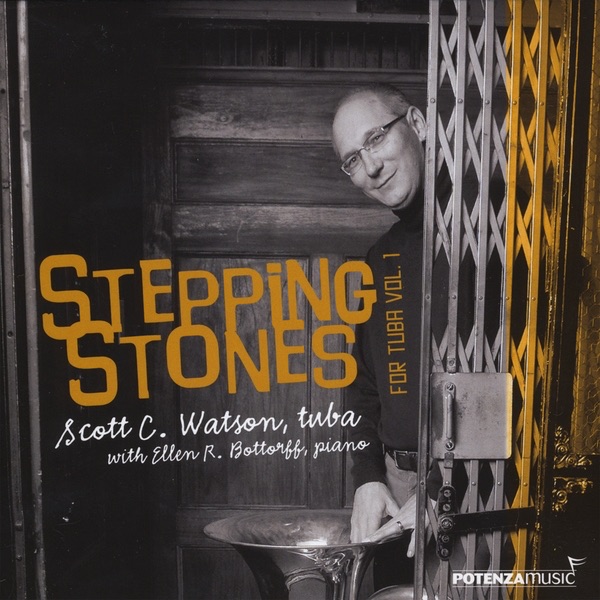 January 28, 2009
 -
 November 30, 2006
 -
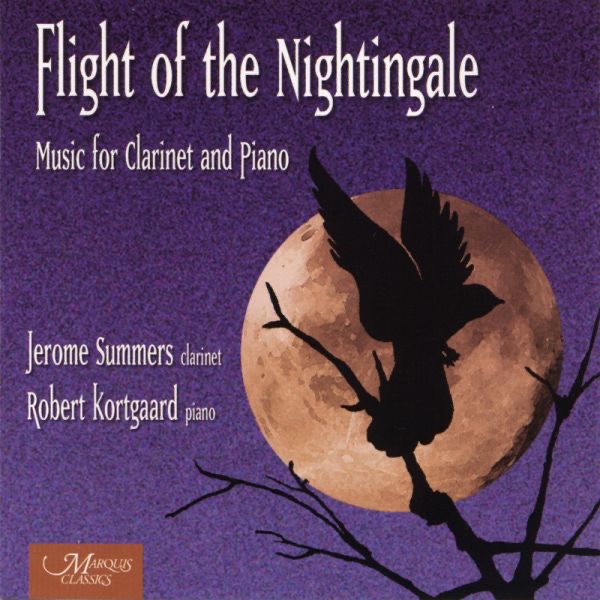 April 3, 2001
Artist Info
Role:ComposerGenre:ChamberDon Haddad was an American composer and arranger who was born on June 28, 1935, in Kansas City, Missouri. He was the son of a professional trumpet player and grew up in a musical family. Haddad began playing the trumpet at a young age and later studied music at the University of Kansas, where he earned a Bachelor of Music degree in 1957. After completing his studies, Haddad began his career as a composer and arranger. He worked for several years as a staff arranger for the United States Air Force Band in Washington, D.C. During this time, he wrote numerous arrangements for the band and also composed several original works. In 1962, Haddad joined the faculty of the University of Massachusetts Amherst, where he taught music theory and composition for over 30 years. He also served as the director of the university's wind ensemble and was a highly respected member of the music department. Throughout his career, Haddad composed a wide variety of music, including works for orchestra, wind ensemble, and chamber groups. He was particularly known for his compositions for brass instruments, and many of his works have become staples of the brass repertoire. One of Haddad's most famous works is his Suite for Tuba, which was written in 1956 and has since become a standard in the tuba repertoire. The suite consists of four movements, each of which showcases the unique capabilities of the tuba. The first movement, "Allegro Moderato," is a lively and energetic piece that features fast runs and technical passages. The second movement, "Andante Espressivo," is a slow and lyrical piece that showcases the tuba's ability to produce a rich, warm tone. The third movement, "Allegro Ritmico," is a playful and rhythmic piece that features syncopated rhythms and lively melodies. The final movement, "Allegro Con Brio," is a fast and exciting piece that brings the suite to a thrilling conclusion. Another notable work by Haddad is his Concerto for Trombone, which was written in 1968. The concerto is a challenging and virtuosic work that showcases the trombone's range and agility. The first movement, "Allegro Moderato," is a fast and energetic piece that features rapid runs and technical passages. The second movement, "Andante Espressivo," is a slow and lyrical piece that showcases the trombone's ability to produce a beautiful, singing tone. The final movement, "Allegro Con Brio," is a lively and exciting piece that brings the concerto to a thrilling conclusion. Haddad also wrote several works for wind ensemble, including his Symphony No. 4, which was written in 1984. The symphony is a large-scale work that consists of four movements. The first movement, "Allegro Moderato," is a fast and energetic piece that features driving rhythms and lively melodies. The second movement, "Andante Espressivo," is a slow and lyrical piece that showcases the wind ensemble's ability to produce a beautiful, expressive sound. The third movement, "Allegro Ritmico," is a playful and rhythmic piece that features syncopated rhythms and lively melodies. The final movement, "Allegro Con Brio," is a fast and exciting piece that brings the symphony to a thrilling conclusion. In addition to his original compositions, Haddad also wrote numerous arrangements for wind ensemble and orchestra. His arrangements include works by composers such as George Gershwin, Leonard Bernstein, and Richard Rodgers.More....

Copyright Ⓒ 2013 Davinci Finger. All rights reseved
Service Terms & Policy