


Ernst Bachrich
Released Album
Chamber
-
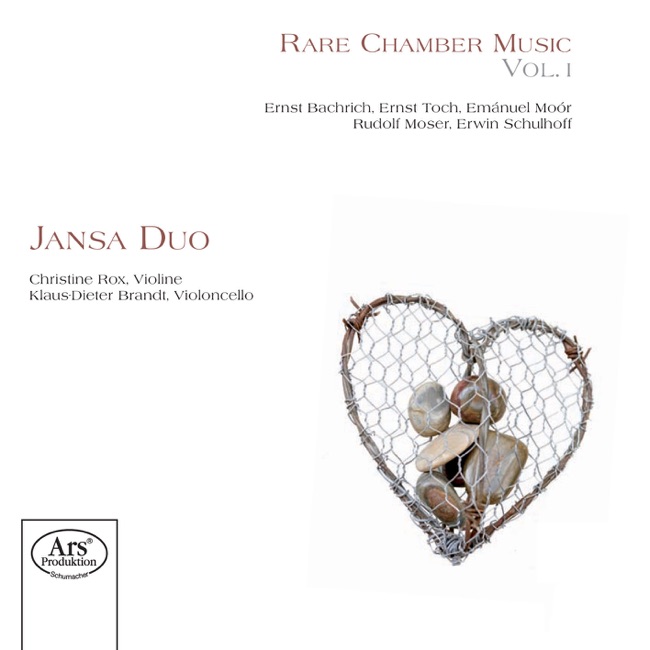 February 23, 2010
Vocal
Artist Info
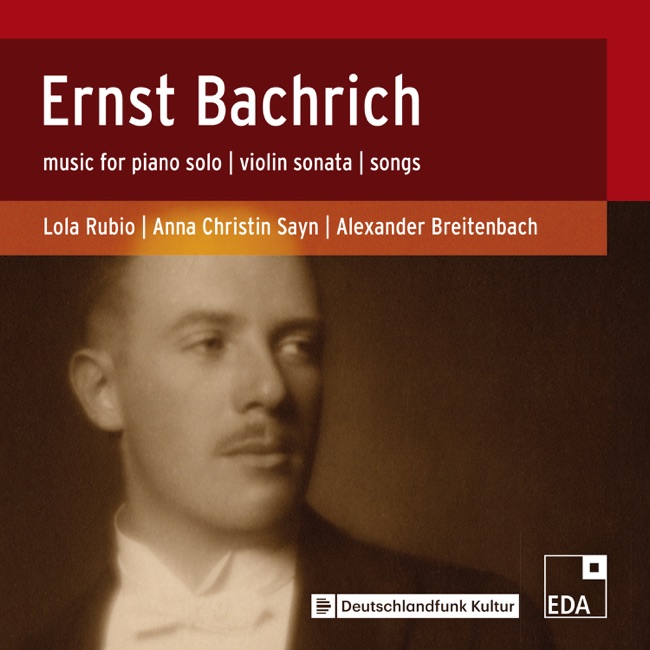
Role:ComposerBirth:1892Death:1942Ernst Bachrich was a classical music composer born on August 23, 1892, in Vienna, Austria. He was the son of a Jewish family, and his father was a successful businessman. Bachrich showed an early interest in music and began playing the piano at a young age. He received his formal music education at the Vienna Conservatory, where he studied composition with Franz Schreker and piano with Richard Robert. Bachrich's early compositions were heavily influenced by the Viennese classical tradition, particularly the works of Mozart and Beethoven. However, he also incorporated elements of modernism into his music, drawing inspiration from composers such as Debussy and Stravinsky. His early works were well-received, and he quickly gained a reputation as a promising young composer. In 1914, Bachrich was drafted into the Austrian army and served in World War I. He was wounded in battle and spent several months in a military hospital. During this time, he continued to compose music, and his experiences in the war had a profound impact on his work. His compositions became more introspective and somber, reflecting the horrors of war and the loss of life he had witnessed. After the war, Bachrich returned to Vienna and resumed his career as a composer. He became involved in the city's vibrant cultural scene, collaborating with artists and writers to create multimedia performances that combined music, dance, and visual art. He also began teaching composition at the Vienna Conservatory, where he mentored a new generation of young composers. Bachrich's most famous work is his opera, "The Dumb Girl of Portici," which premiered in Vienna in 1928. The opera tells the story of a mute girl who falls in love with a revolutionary leader during the French Revolution. The work was praised for its innovative use of orchestration and its powerful emotional impact. It was later adapted into a film, which was released in 1932. In addition to his opera, Bachrich composed a wide variety of other works, including symphonies, chamber music, and choral pieces. His music was characterized by its rich harmonies, complex rhythms, and expressive melodies. He was particularly skilled at creating vivid musical portraits of characters and places, using his music to evoke a wide range of emotions and moods. Despite his success as a composer, Bachrich's life was not without its challenges. As a Jew living in Austria during the rise of Nazism, he faced increasing persecution and discrimination. In 1938, he was forced to flee the country and emigrate to the United States. He settled in New York City, where he continued to compose and teach music. In the United States, Bachrich's music was less well-known than it had been in Europe. However, he continued to compose prolifically, producing a wide range of works that reflected his experiences as an immigrant and his ongoing struggles with the trauma of war. He also continued to teach, mentoring a new generation of American composers and musicians. Bachrich died in New York City on December 12, 1949, at the age of 57. His legacy as a composer and teacher lives on, and his music continues to be performed and studied by musicians around the world. His work represents a unique blend of classical tradition and modern innovation, and his contributions to the world of music are still celebrated today.More....
Copyright Ⓒ 2013 Davinci Finger. All rights reseved
Service Terms & Policy