


August de Boeck
Released Album
Chamber
-
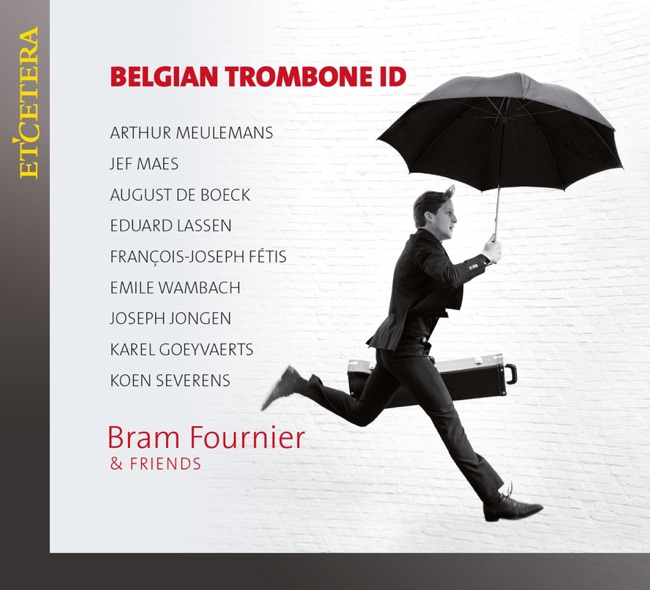 May 8, 2020
 -
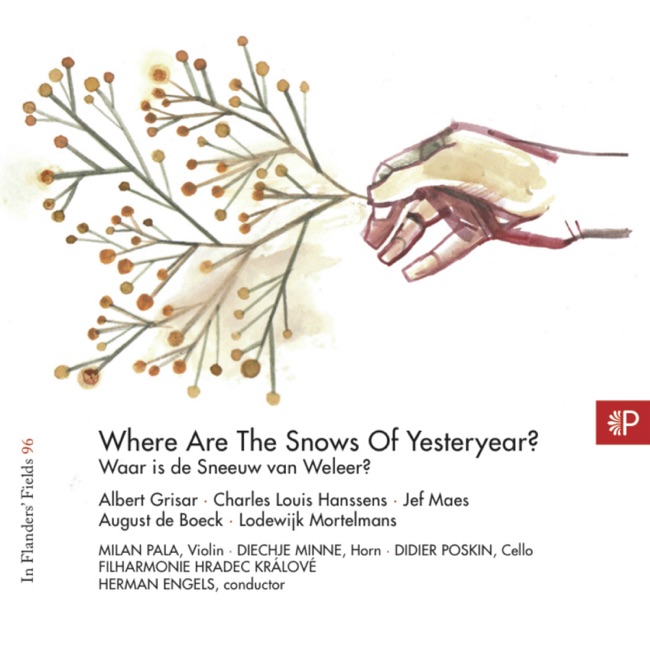 January 26, 2018
 -
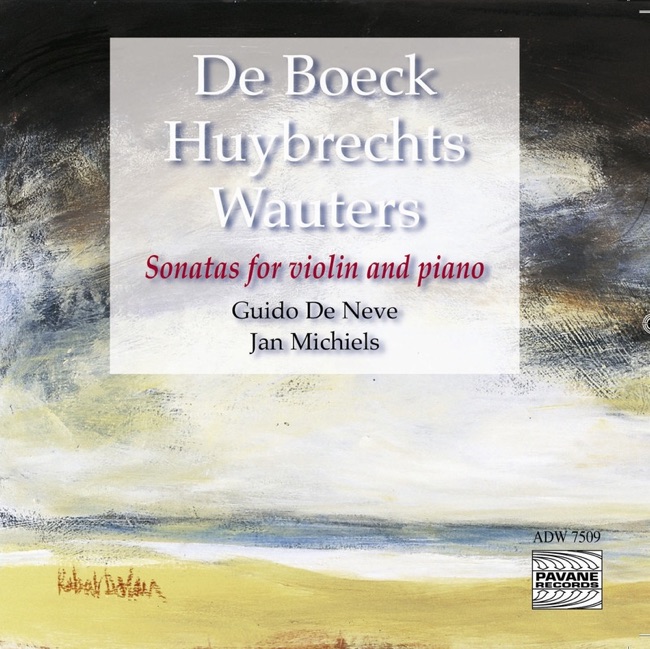 January 30, 2007
 -
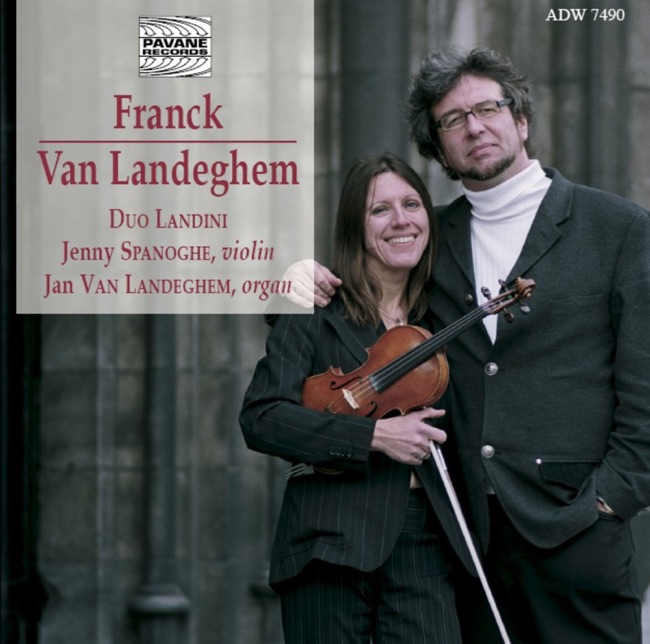 April 25, 2006
Orchestral
-
-
 March 25, 2008
 -
 December 17, 1992
Keyboard
-
 July 12, 2011
 -
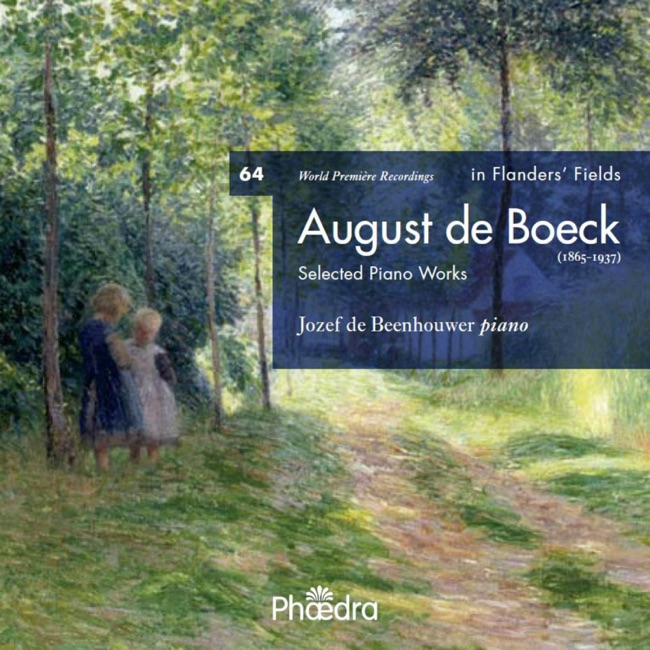 January 11, 2011
Artist Info
Role:ComposerBirth:May 9, 1865 in Merchtem, BelgiumDeath:October 9, 1937 in Merchtem, BelgiumPeriod:ModernAugust de Boeck was a Belgian composer born on May 9, 1865, in Merchtem, a small town in the Flemish Brabant province. He was the youngest of six children born to a family of modest means. His father, Jan Baptist de Boeck, was a shoemaker, and his mother, Maria Theresia Van den Bossche, was a homemaker. De Boeck showed an early interest in music and began taking piano lessons at the age of six. He later studied music theory and composition with the renowned Belgian composer Peter Benoit. Benoit was a significant influence on de Boeck's musical style, which was characterized by a fusion of Flemish folk music and classical forms. In 1884, de Boeck enrolled at the Brussels Conservatory, where he studied under François-Auguste Gevaert, a prominent Belgian composer and musicologist. He graduated in 1888 with first prizes in harmony, counterpoint, and fugue. After completing his studies, de Boeck worked as a music teacher and organist in various churches in Brussels. He also began composing music, and his first significant work, the cantata "De Schelde," was premiered in 1892. The piece was well-received and established de Boeck as a composer to watch. In 1894, de Boeck married Maria Van den Bossche, his first cousin once removed. The couple had four children, but tragically, two of them died in infancy. De Boeck's career as a composer continued to flourish, and he wrote numerous works in various genres, including operas, ballets, symphonies, and chamber music. His most famous work is the opera "La Route d'Emeraude," which premiered in 1903. The opera tells the story of a young Belgian soldier who falls in love with a Burmese princess during the colonial era. The work was a critical and commercial success and remains one of the most popular operas in the Belgian repertoire. De Boeck's other notable works include the ballet "De Schipbreuk," which premiered in 1907, and the symphonic poem "Kermesse Flamande," which premiered in 1911. The latter work is a lively and colorful depiction of a Flemish fair and is considered one of de Boeck's most significant contributions to Belgian music. In addition to his work as a composer, de Boeck was also a respected music educator. He taught at the Brussels Conservatory from 1901 to 1930 and was appointed director of the institution in 1927. He was also a member of the Royal Flemish Academy of Belgium and served as its president from 1935 until his death. De Boeck's music is characterized by its melodic richness, harmonic complexity, and rhythmic vitality. His works often incorporate elements of Flemish folk music, which he believed was an essential part of Belgium's cultural heritage. He was also influenced by the French impressionist composers, particularly Claude Debussy, whose music he admired. De Boeck's music was well-received during his lifetime, and he was widely regarded as one of Belgium's leading composers. However, his reputation declined after his death, and his music fell out of favor with audiences and critics. It was not until the 1980s that his music began to be rediscovered and appreciated once again. Today, de Boeck is recognized as one of the most important Belgian composers of the late 19th and early 20th centuries. His music is performed regularly in Belgium and abroad, and his legacy continues to inspire new generations of musicians and composers.More....
Recent Artist Music
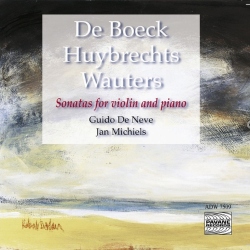
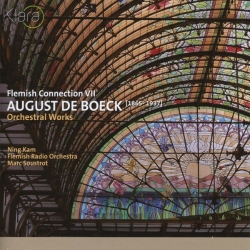
6
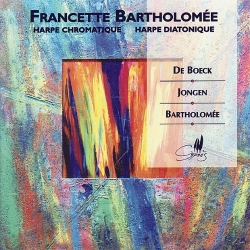
9:36
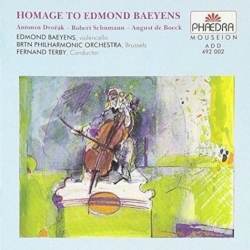
Copyright Ⓒ 2013 Davinci Finger. All rights reseved
Service Terms & Policy