


Anton Zimmermann
Released Album
Concerto
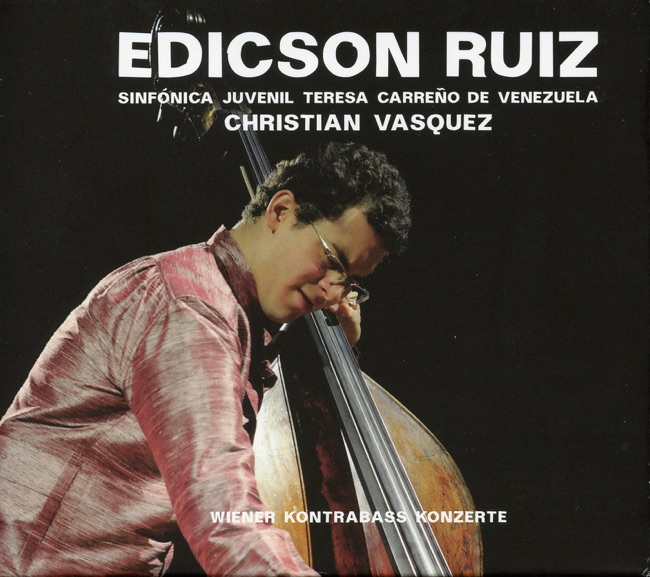

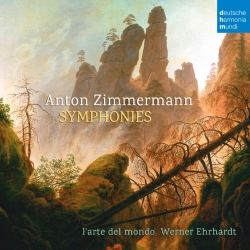
Symphony
-
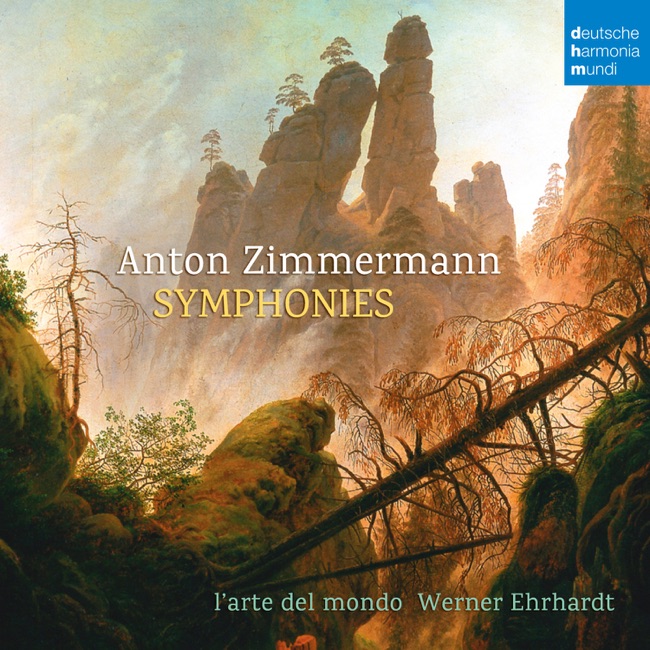 August 31, 2018
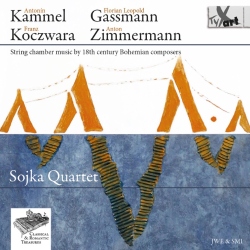
Chamber
-
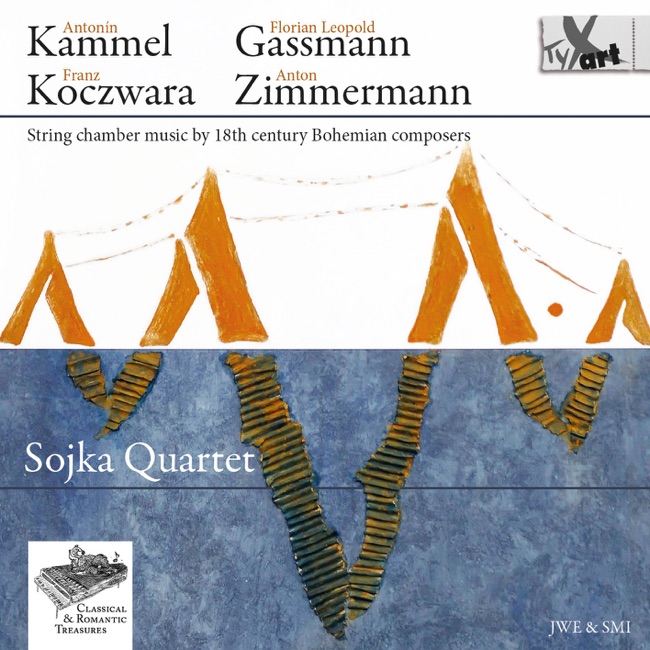 July 29, 2016
Artist Info
Role:ComposerBirth:December 25, 1741Death:October, 1781Anton Zimmermann was a classical music composer born on September 26, 1741, in the town of Donauwörth, Germany. He was the son of a musician and was raised in a musical family. His father, Johann Georg Zimmermann, was a court musician, and his mother, Maria Anna, was a singer. Anton showed an early interest in music and began studying the violin and keyboard at a young age. Zimmermann's musical education began in earnest when he was sent to study with the renowned composer Johann Stamitz in Mannheim. Stamitz was a leading figure in the development of the Mannheim School, a group of composers who were known for their innovative orchestration and use of dynamic contrasts. Zimmermann studied with Stamitz for several years and became a skilled violinist and composer. In 1762, Zimmermann moved to Vienna, where he continued his studies with the composer Christoph Willibald Gluck. Gluck was a major figure in the development of opera, and Zimmermann learned a great deal from him about the art of vocal composition. Zimmermann also became involved in the Viennese musical scene, playing in orchestras and composing music for various occasions. Zimmermann's first major success as a composer came in 1767, when his opera "Die Soldaten" was performed in Vienna. The opera was a critical and popular success, and Zimmermann became known as one of the leading composers of his time. He continued to compose operas, as well as instrumental music, throughout his career. One of Zimmermann's most famous works is his Symphony in D Major, which was composed in 1771. The symphony is notable for its use of the Mannheim rocket, a musical figure that involves a rapid ascent of notes in the orchestra. The symphony was well-received and became a popular work in the classical repertoire. Zimmermann's career was interrupted by the outbreak of the Napoleonic Wars in 1803. He was forced to flee Vienna and spent several years in various cities throughout Europe. During this time, he continued to compose music, but his output was limited by the difficult circumstances of his life. Zimmermann returned to Vienna in 1814, after the end of the Napoleonic Wars. He continued to compose music, but his health began to decline, and he died on August 3, 1819, at the age of 77. Zimmermann's legacy as a composer is significant. He was a major figure in the development of classical music, and his works continue to be performed and studied today. His use of innovative orchestration and dynamic contrasts influenced many composers who came after him, and his operas helped to shape the genre of opera as we know it today. In addition to his Symphony in D Major, Zimmermann's other notable works include his opera "Die Entführung aus dem Serail," which was composed in 1782 and is still performed today. He also composed a number of chamber music works, including string quartets and sonatas. Zimmermann's music is characterized by its elegance and lyricism. He was a master of melody and harmony, and his works are known for their beauty and emotional depth. His use of innovative orchestration and dynamic contrasts helped to push the boundaries of classical music and paved the way for future generations of composers. In conclusion, Anton Zimmermann was a major figure in the development of classical music. His works continue to be performed and studied today, and his legacy as a composer is significant.More....
Recent Artist Music
1
11:9

Copyright Ⓒ 2013 Davinci Finger. All rights reseved
Service Terms & Policy