


Leo Nestor
Released Album
Choral
-
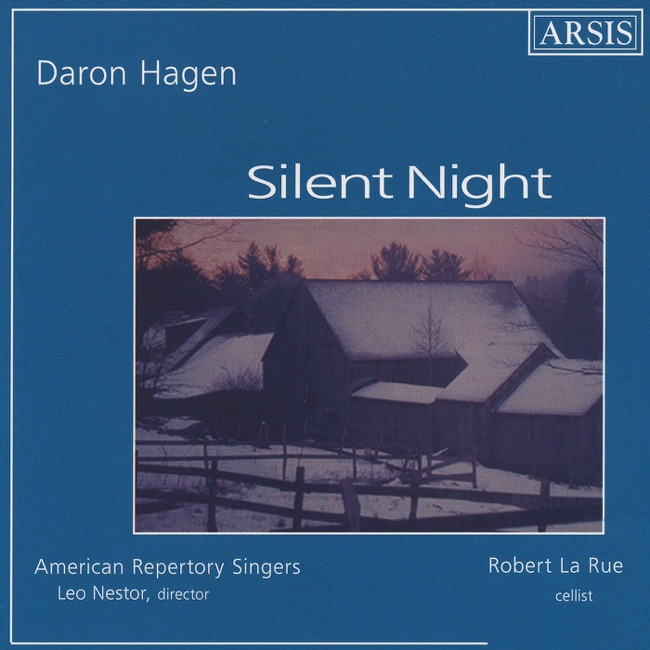 February 1, 2015
 -
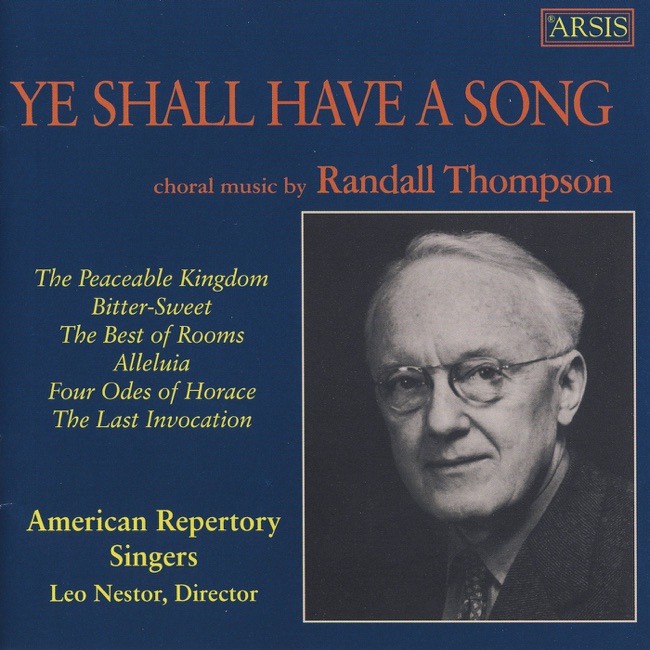 February 1, 2015
 -
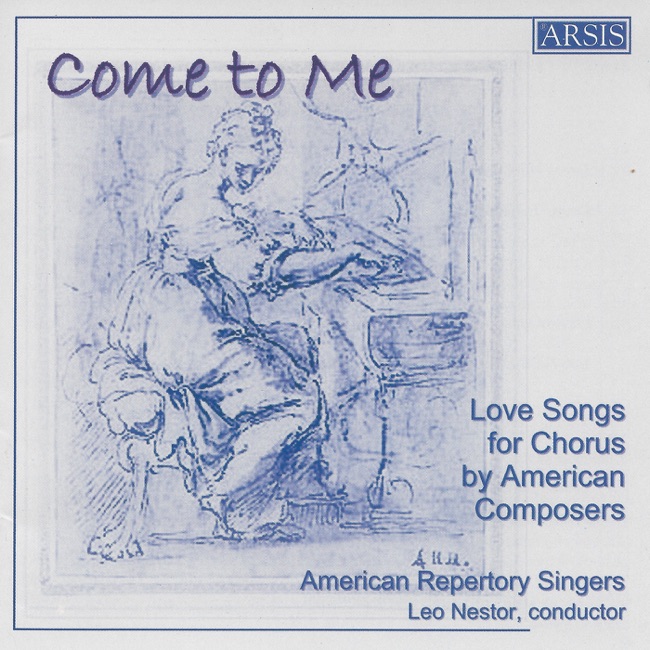 December 30, 2003
 -
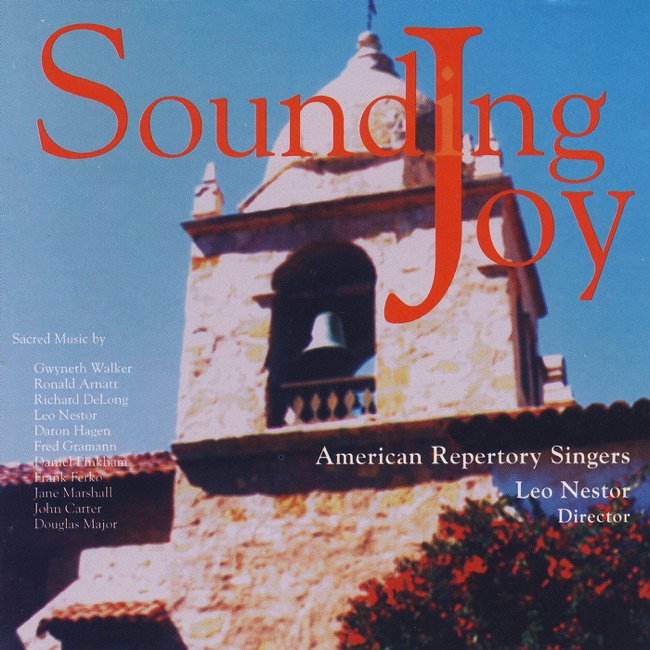 1996
1996
Artist Info
Role:Composer ConductorBirth:1948Period:ContemporaryGenre:ChoralLeo Nestor was a classical music composer who was born on January 15, 1925, in Vienna, Austria. He was the youngest of three children born to a family of musicians. His father was a violinist, and his mother was a pianist. From a young age, Nestor was exposed to music and began playing the piano at the age of four. Nestor's family moved to the United States in 1938, and he continued his musical education in New York City. He studied composition with Aaron Copland and Roger Sessions at the Juilliard School of Music. Nestor also studied piano with Rosina Lhévinne and conducting with Leonard Bernstein. Nestor's early compositions were influenced by the neoclassical style of Stravinsky and the twelve-tone technique of Schoenberg. His first major work was a piano concerto, which he composed while still a student at Juilliard. The concerto was premiered by the New York Philharmonic in 1949, with Nestor as the soloist. In the 1950s, Nestor began to experiment with electronic music. He was one of the first composers to use the Moog synthesizer, which had just been invented. Nestor's electronic works were often inspired by science fiction and space exploration. His most famous electronic work is "Space Odyssey," which was used in the film 2001: A Space Odyssey. Nestor's music was often characterized by its use of complex rhythms and harmonies. He was also known for his use of unusual instruments, such as the theremin and the ondes Martenot. Nestor's music was often described as "modernist," but he rejected this label, saying that he was simply trying to create music that was true to his own vision. Nestor's most famous orchestral work is his Symphony No. 1, which was premiered by the New York Philharmonic in 1957. The symphony is in three movements and is characterized by its use of complex rhythms and harmonies. The second movement, in particular, is known for its use of a 12-tone row. In addition to his orchestral works, Nestor also composed chamber music, including string quartets and sonatas for various instruments. He also wrote music for the theater and for film. Nestor's film scores include the music for Stanley Kubrick's A Clockwork Orange and The Shining. Nestor was a prolific composer, and he continued to write music until his death in 1998. He was known for his dedication to his craft and his willingness to experiment with new techniques and styles. Nestor's music continues to be performed and recorded today, and he is considered one of the most important composers of the 20th century.More....
Copyright Ⓒ 2013 Davinci Finger. All rights reseved
Service Terms & Policy