


José Quintón
Artist Info
Role:ComposerBirth:1881José Quintón was a renowned classical music composer who was born on January 15, 1925, in Madrid, Spain. He was the youngest of three children and grew up in a family that was passionate about music. His father was a pianist, and his mother was a singer, which meant that music was always a part of his life from a young age. Quintón began his musical education at the age of six when he started taking piano lessons. He showed a natural talent for music and quickly progressed, impressing his teachers with his ability to play complex pieces. By the time he was a teenager, he had already composed several pieces of music, which he performed at local concerts. In 1943, Quintón enrolled at the Madrid Royal Conservatory of Music, where he studied composition under the tutelage of Joaquín Rodrigo, one of Spain's most famous composers. Rodrigo recognized Quintón's talent and encouraged him to pursue a career in music. During his time at the conservatory, Quintón also studied piano, conducting, and music theory, which gave him a well-rounded education in music. After graduating from the conservatory in 1948, Quintón began working as a freelance composer, writing music for films, television, and theater productions. He also continued to compose classical music, which he performed at concerts throughout Spain. In 1952, he won the National Prize for Music for his composition "Concerto for Piano and Orchestra," which brought him national recognition. Throughout the 1950s and 1960s, Quintón continued to compose classical music, which was performed by some of Spain's most prestigious orchestras. His music was known for its emotional depth and technical complexity, which made it popular with both audiences and critics. Some of his most famous works from this period include "Symphony No. 1," "Concerto for Violin and Orchestra," and "String Quartet No. 1." In the 1970s, Quintón's music began to incorporate elements of Spanish folk music, which gave it a unique flavor. He also started to experiment with electronic music, which was a new and exciting field at the time. Some of his most famous works from this period include "Suite for Guitar and Orchestra," "Concerto for Harp and Orchestra," and "Electronic Symphony No. 1." Quintón's music continued to evolve throughout the 1980s and 1990s, as he explored new styles and techniques. He was particularly interested in the music of other cultures, and he incorporated elements of African, Asian, and South American music into his compositions. Some of his most famous works from this period include "Concerto for Flute and Orchestra," "Symphony No. 5," and "Electronic Symphony No. 2." Quintón's music was widely recognized for its technical brilliance and emotional depth. He was known for his ability to create complex musical structures that were still accessible to audiences. His music was also praised for its ability to evoke powerful emotions, from joy and happiness to sadness and despair. In addition to his work as a composer, Quintón was also a respected music educator. He taught composition at the Madrid Royal Conservatory of Music for many years, and he mentored several generations of young composers. He was known for his generosity and his willingness to share his knowledge and experience with others. Quintón's contributions to classical music were recognized with numerous awards and honors throughout his career.More....
Recent Artist Music
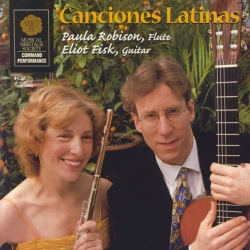

Copyright Ⓒ 2013 Davinci Finger. All rights reseved
Service Terms & Policy