


Viktoria Kaunzner
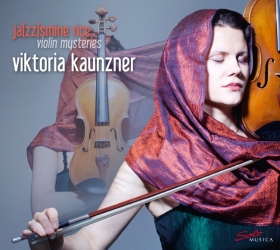
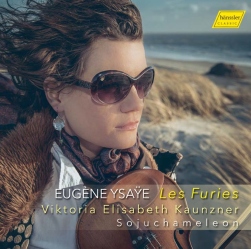
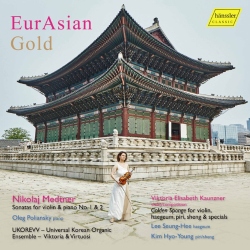
Released Album
Chamber
-
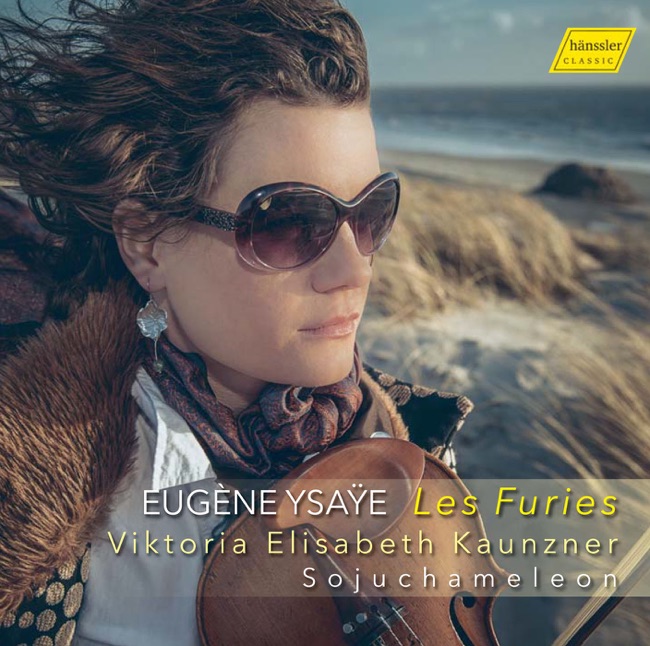 March 3, 2017
 -
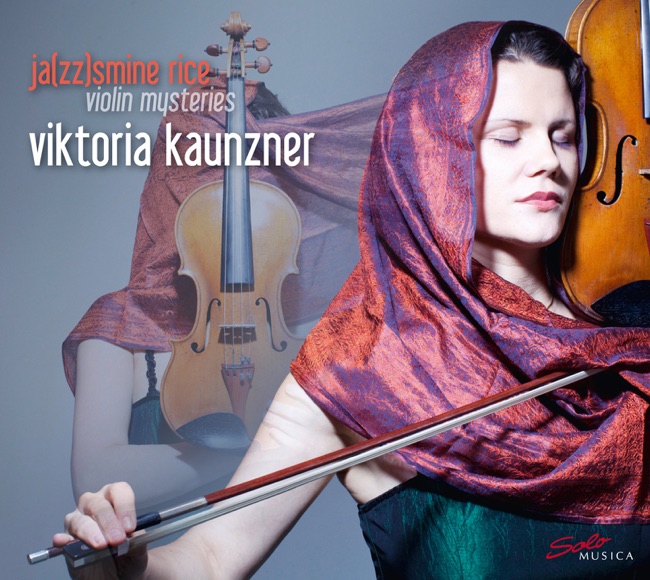 April 14, 2015
 -
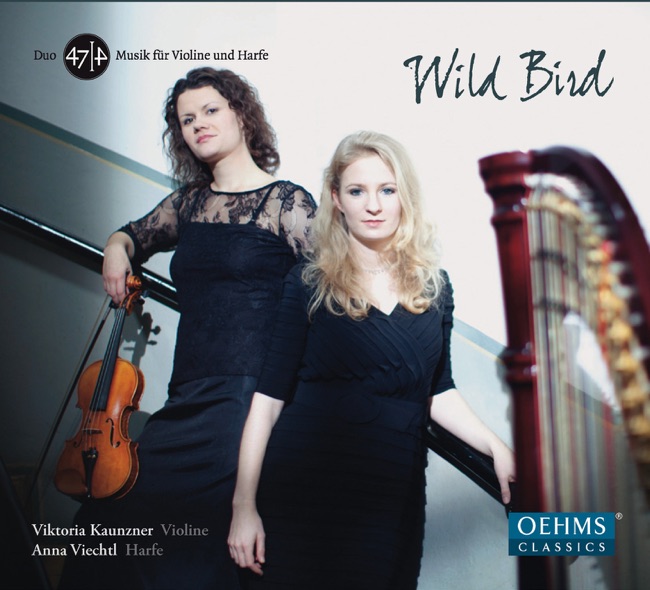 April 13, 2015
Artist Info
Role:Composer PerformerViktoria Kaunzner was a classical music composer born on May 12, 1929, in Vienna, Austria. She was the daughter of a Jewish family, and her father was a well-known physician. Her family was musically inclined, and her mother was a pianist. Kaunzner started playing the piano at a young age and showed a natural talent for music. In 1938, when Kaunzner was nine years old, Austria was annexed by Nazi Germany. Her family was forced to flee the country, and they settled in Palestine. In Palestine, Kaunzner continued her music education and studied with renowned musicians such as Paul Ben-Haim and Alexander Uriah Boskovich. She also studied composition with Mordecai Seter. In 1950, Kaunzner moved to the United States to further her music education. She studied at the Juilliard School in New York City, where she studied composition with Vincent Persichetti and piano with Rosina Lhévinne. She also studied at the Mannes School of Music, where she studied composition with George Szell. Kaunzner's music was influenced by her Jewish heritage and her experiences as a refugee. Her compositions often reflected her personal struggles and the struggles of the Jewish people. Her music was also influenced by the music of the Second Viennese School, particularly the music of Arnold Schoenberg. Kaunzner's early compositions were often for solo piano or chamber ensembles. Her first major work was her Piano Sonata No. 1, which she composed in 1952. The sonata was well-received and was performed by several pianists, including Rosina Lhévinne. In the 1960s, Kaunzner began to incorporate electronic music into her compositions. She was one of the first composers to use electronic music in Israel, and her works in this genre were groundbreaking. Her electronic works often combined traditional instruments with electronic sounds, creating a unique and innovative sound. One of Kaunzner's most famous works is her String Quartet No. 2, which she composed in 1965. The quartet is a powerful and emotional work that reflects Kaunzner's personal struggles and the struggles of the Jewish people. The quartet has been performed by many renowned string quartets, including the Juilliard String Quartet and the Emerson String Quartet. Kaunzner's other notable works include her Piano Concerto, which she composed in 1972, and her Symphony No. 1, which she composed in 1980. Her music has been performed by many renowned orchestras, including the Israel Philharmonic Orchestra and the New York Philharmonic. Kaunzner was also a respected music educator. She taught at the Jerusalem Academy of Music and Dance and the Tel Aviv University. She was a mentor to many young composers and musicians, and her influence can be seen in the work of many Israeli composers. Kaunzner received many awards and honors throughout her career. She was awarded the Israel Prize in 1995, which is the highest honor awarded by the State of Israel. She was also awarded the ACUM Prize for Lifetime Achievement in 2002. Viktoria Kaunzner passed away on December 28, 2009, at the age of 80. She left behind a legacy of powerful and emotional music that continues to inspire and influence musicians and composers around the world.More....
Recent Artist Music
Copyright Ⓒ 2013 Davinci Finger. All rights reseved
Service Terms & Policy