


Marko Tajcevic
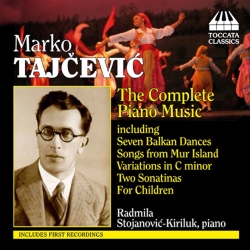
Released Album
Keyboard
-
 December 2, 2022
 -
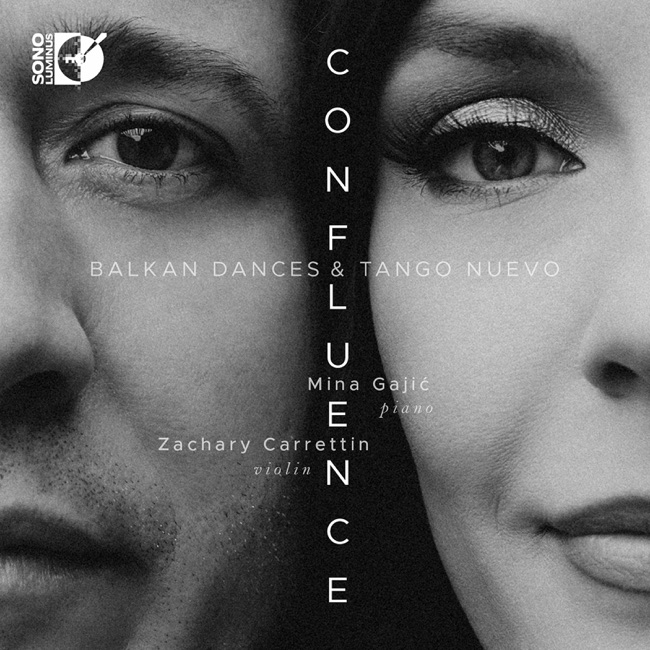 April 22, 2022
 -
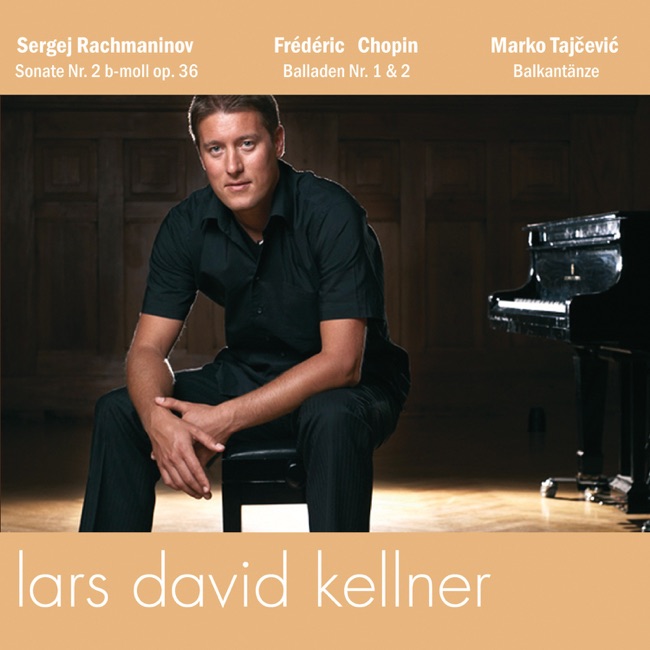
-
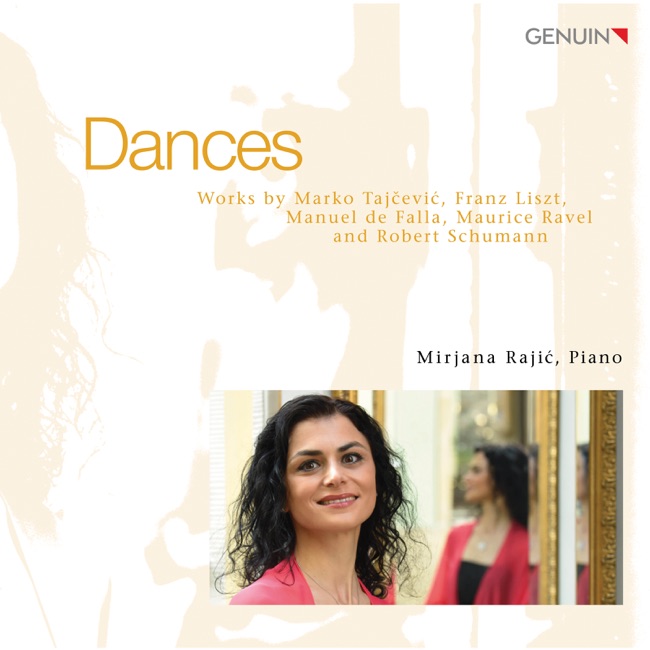 February 1, 2019
 -
 February 25, 2014
 -
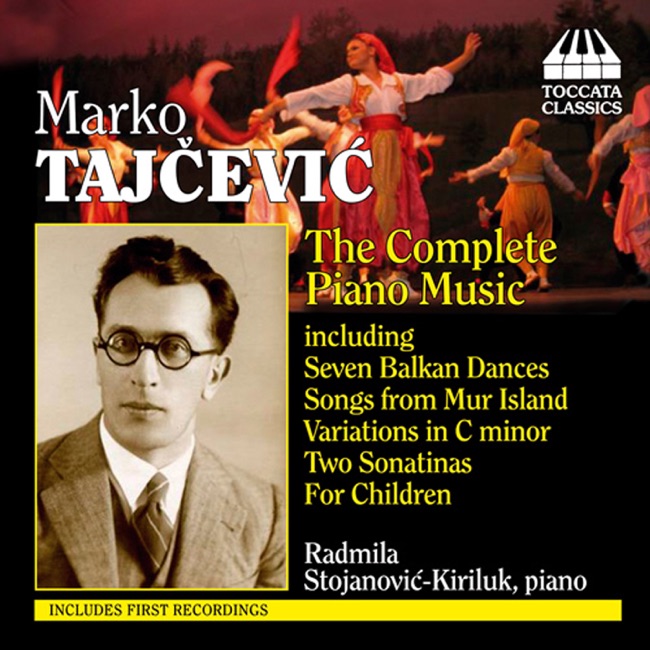 May 12, 2009
Artist Info
Role:ComposerBirth:1900Death:1984Marko Tajcevic was a Serbian composer, musicologist, and educator who made significant contributions to the development of classical music in the Balkans. He was born on July 29, 1900, in Osijek, Croatia, which was then part of the Austro-Hungarian Empire. Tajcevic's father was a lawyer, and his mother was a pianist who introduced him to music at an early age. Tajcevic began his formal music education at the age of six, studying piano with his mother. He later studied composition with Franjo Dugan and conducting with Milan Sachs. In 1920, he enrolled at the Zagreb Academy of Music, where he studied composition with Blagoje Bersa and conducting with Vaclav Talich. After completing his studies, Tajcevic worked as a conductor and music critic in Zagreb and Belgrade. He also began to compose his own music, drawing inspiration from the folk music of the Balkans. In 1929, he founded the Society for Contemporary Music in Belgrade, which aimed to promote new music and provide a platform for young composers. Tajcevic's early works were influenced by the neoclassical style of Stravinsky and Hindemith, but he soon developed his own unique voice, incorporating elements of Serbian folk music into his compositions. His most famous work from this period is the Suite for Piano, which was premiered in 1934 and quickly became a staple of the piano repertoire in Yugoslavia. During World War II, Tajcevic was forced to flee Belgrade and spent several years in hiding. Despite the difficult circumstances, he continued to compose and even wrote a number of patriotic songs to boost morale among the Yugoslav resistance fighters. After the war, Tajcevic returned to Belgrade and resumed his work as a composer and educator. He taught at the Belgrade Academy of Music and was a founding member of the Serbian Composers' Association. He also continued to promote new music through his work with the Society for Contemporary Music. Tajcevic's later works were characterized by a more experimental approach, incorporating elements of serialism and aleatoric music. He also continued to draw inspiration from folk music, but in a more abstract and fragmented way. His most famous work from this period is the Seven Balkan Dances for Orchestra, which was premiered in 1952 and has since become a staple of the orchestral repertoire in the Balkans. In addition to his work as a composer, Tajcevic was also a respected musicologist and wrote extensively on the folk music of the Balkans. His book Music of the South Slavs, published in 1950, is still considered a seminal work in the field. Tajcevic died on October 19, 1984, in Belgrade, leaving behind a rich legacy of music and scholarship. His contributions to the development of classical music in the Balkans have been widely recognized, and his music continues to be performed and studied by musicians around the world.More....
Recent Artist Music



Copyright Ⓒ 2013 Davinci Finger. All rights reseved
Service Terms & Policy