


Henk Badings
Released Album
Chamber
-
 February 3, 2017
 -
 August 19, 2008
 -
 May 9, 2006
 -
 January 22, 2002
 -
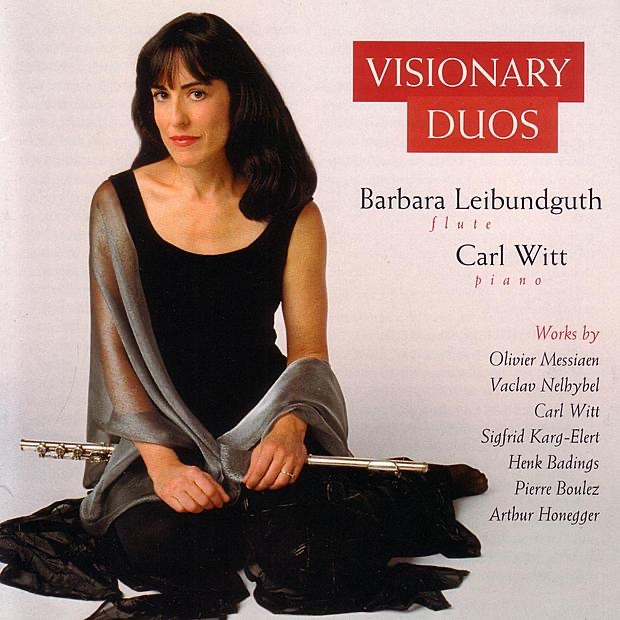 October 30, 2001
 -
 September 22, 1994
Symphony
-
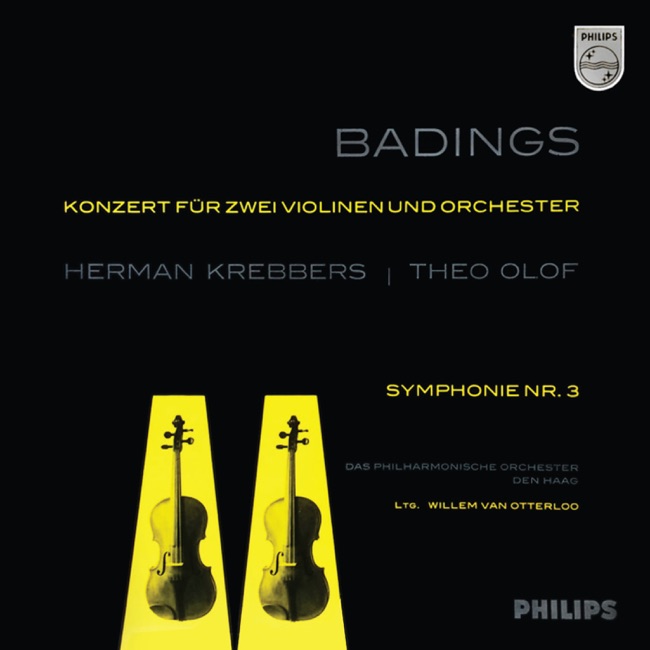
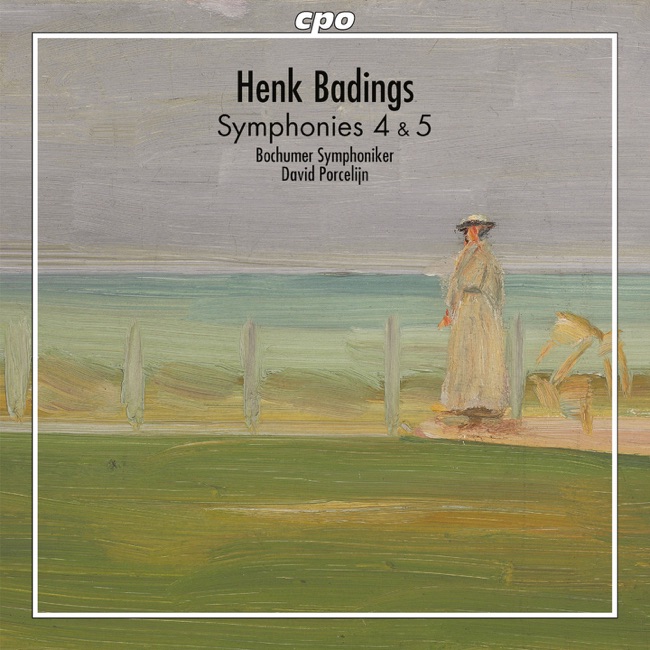 January 8, 2016
 -
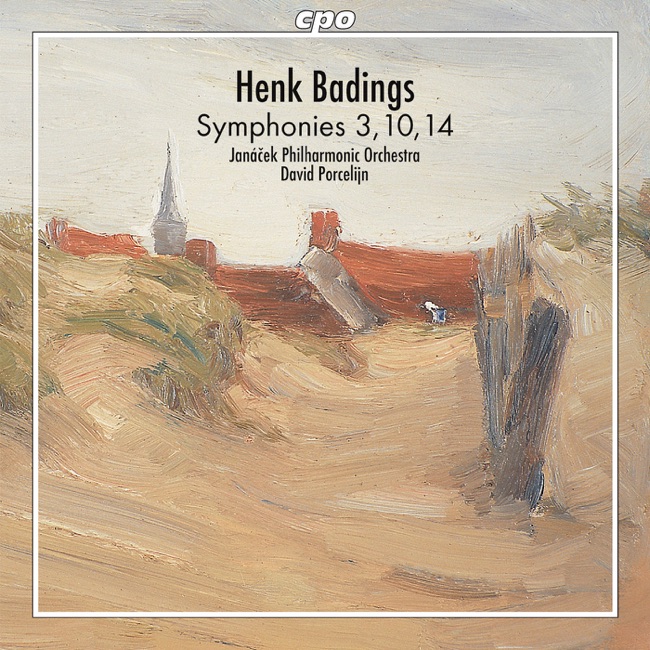 July 27, 2010
 -
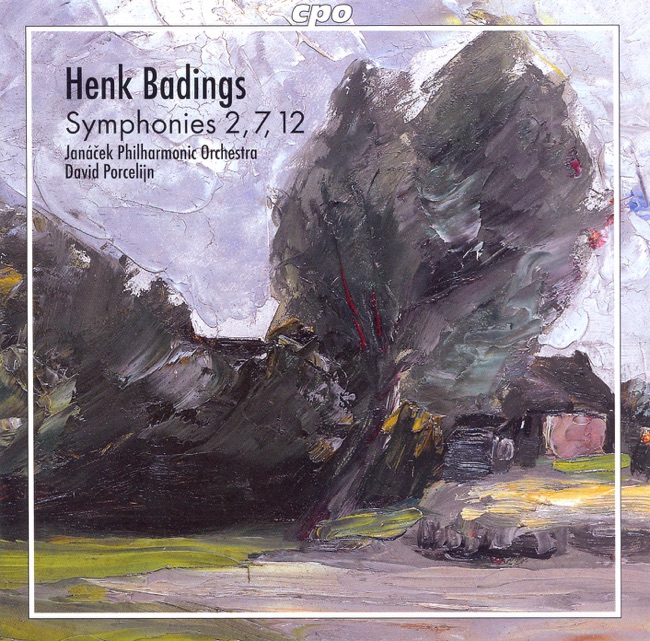 January 29, 2008
 -
Choral
-
 May 7, 2021
 -
 December 26, 2006
Concerto
-
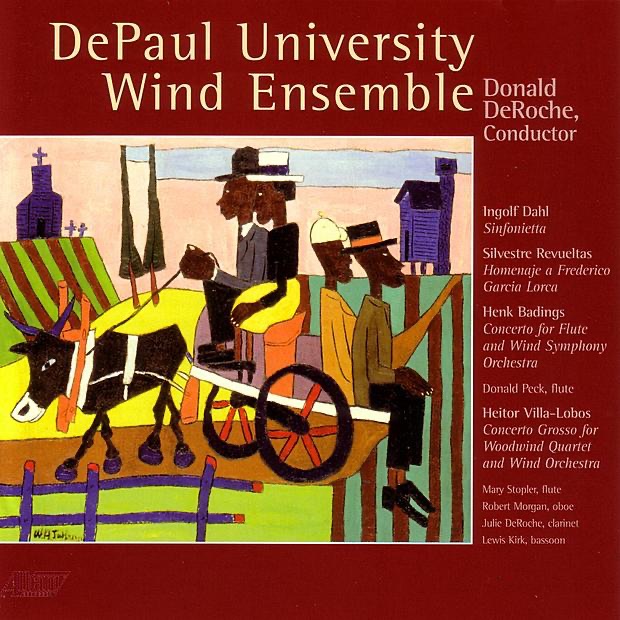 June 26, 2001
 -
Artist Info
Role:ComposerCountry: NetherlandsBirth:January 17, 1907 in Bandung, JavaDeath:July 26, 1987 in Viljen, The NetherlandsPeriod:ModernGenre:ChamberChoralConcertoHenk Badings was a Dutch composer who was born on January 17, 1907, in Bandung, Java, which was then a Dutch colony. His father was a Dutch civil servant, and his mother was a Javanese princess. Badings grew up in a musical family, and he began playing the piano at a young age. He also showed an early interest in science and technology, which would later influence his music. Badings studied music at the Royal Conservatory in The Hague, where he was a student of the composer Willem Pijper. He also studied physics and mathematics at the University of Utrecht. Badings was interested in the intersection of music and technology, and he was one of the first composers to use electronic instruments in his compositions. Badings' early works were influenced by the neoclassical style of Stravinsky and the Second Viennese School. He also experimented with serialism and other modernist techniques. In the 1930s, Badings became interested in the music of non-Western cultures, particularly the music of Indonesia, where he had spent his childhood. He incorporated elements of Indonesian music into his compositions, creating a unique style that blended Western and non-Western influences. During World War II, Badings was forced to go into hiding because of his opposition to the Nazi occupation of the Netherlands. He continued to compose during this time, and he wrote several works that expressed his resistance to the occupation. After the war, Badings became a professor of composition at the Royal Conservatory in The Hague, where he taught many of the leading Dutch composers of the next generation. Badings' most famous works include his Symphony No. 5, which was composed in 1952 and is considered one of the greatest Dutch symphonies of the 20th century. The symphony is notable for its use of electronic instruments, which were still a novelty at the time. Badings also wrote several operas, including Orestes, which was based on the Greek myth of Orestes and premiered in 1954. In addition to his work as a composer, Badings was also a pioneer in the field of electronic music. He built his own electronic instruments, including the "Trombone Oscillator," which was used in several of his compositions. Badings also wrote a book on electronic music, which was published in 1966. Badings continued to compose and teach until his death on June 26, 1987, in Maarheeze, Netherlands. He left behind a legacy of innovative and influential music, and he is remembered as one of the most important Dutch composers of the 20th century.More....
Recent Artist Music
4
10:43
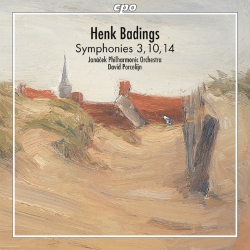
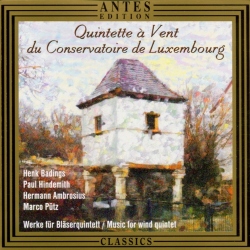
13
Crushes (3), no. 3, the dew heralds the flowers
Ayer, zagales, bajé (Yesterday, Lads, I Went Down) (Anon.) / Zangarilleja (S. de Murcia)
3:52
14
Maria, song cycle, no. 13, Assumption of Mary
Feria Quinta, Lamentatione Seconda (from Lamentationi sagre e motetti ad una voce col basso continuo)
7:47
Copyright Ⓒ 2013 Davinci Finger. All rights reseved
Service Terms & Policy