


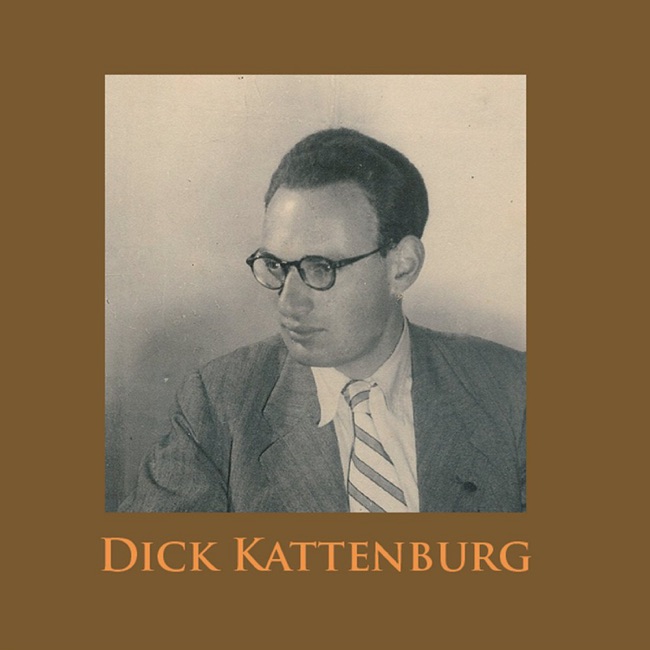
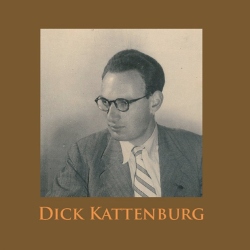
Dick Kattenburg
Released Album
Chamber
-
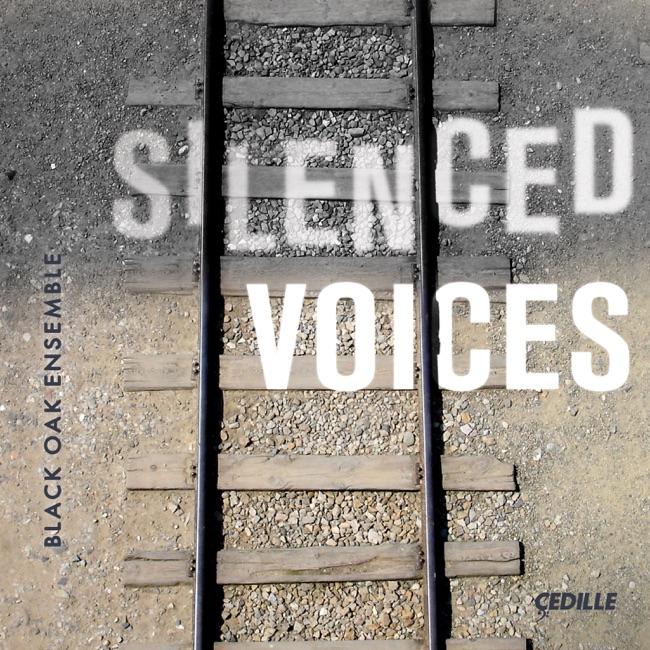 July 26, 2019
 -
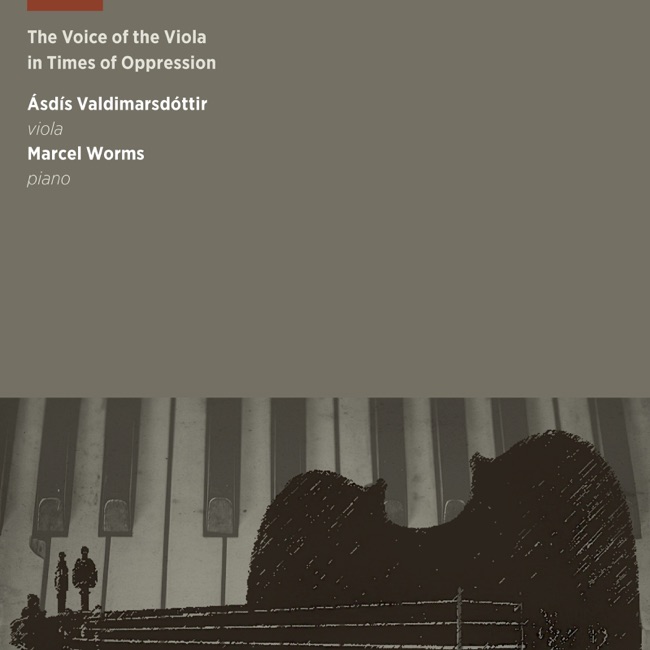 September 28, 2018
 -
 December 20, 2009
Keyboard
-
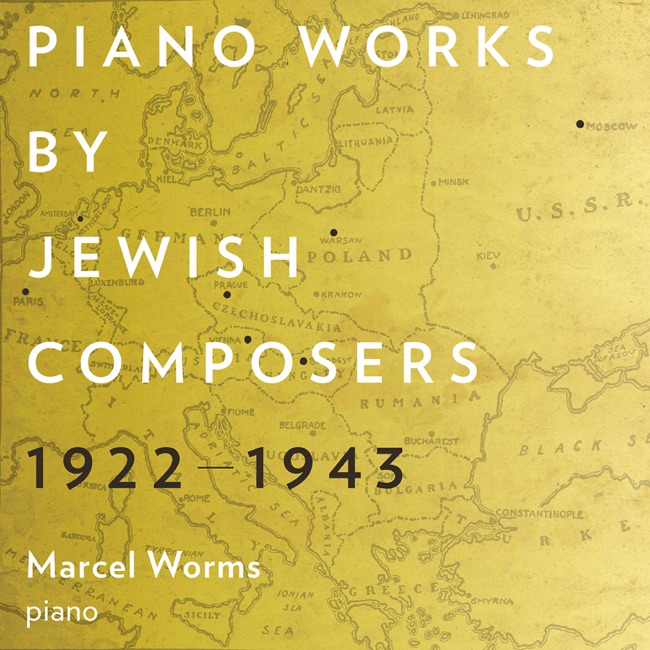 May 15, 2020
Artist Info
Role:ComposerBirth:November 11, 1919 in Amsterdam, The NetherlandsDeath:September 30, 1944 in Auschwitz, PolandDick Kattenburg was a Dutch composer who was born on November 1, 1919, in Amsterdam. He was the youngest of three children born to a Jewish family. His father, Abraham Kattenburg, was a diamond cutter, and his mother, Henriette Kattenburg, was a homemaker. Kattenburg showed an early interest in music and began playing the piano at the age of six. Kattenburg's family was musically inclined, and his older brother, Jaap, was a talented violinist. Kattenburg's parents recognized his musical talent and encouraged him to pursue a career in music. He began studying composition with the Dutch composer, Jan van Gilse, at the age of 16. In 1938, Kattenburg enrolled at the Amsterdam Conservatory, where he studied composition with Sem Dresden and piano with Ulfert Schults. He was a gifted student and won several prizes for his compositions. In 1940, however, the German army invaded the Netherlands, and Kattenburg's life was forever changed. As a Jew, Kattenburg was forced to go into hiding to avoid being sent to a concentration camp. He continued to compose music while in hiding, and some of his most significant works were written during this time. In 1944, Kattenburg was discovered by the Gestapo and sent to the Westerbork transit camp. He was later transported to Auschwitz, where he was killed in 1944 at the age of 24. Despite his short life, Kattenburg left behind a significant body of work that has been rediscovered in recent years. His music is characterized by its rhythmic vitality, melodic inventiveness, and harmonic complexity. Kattenburg was influenced by a wide range of musical styles, including jazz, folk music, and classical music. One of Kattenburg's most significant works is his Symphony No. 1, which he composed in 1941. The symphony is a powerful and emotional work that reflects the turmoil of the times in which it was written. The first movement is marked by its driving rhythms and intense energy, while the second movement is more introspective and melancholic. The third movement is a lively scherzo, and the final movement is a triumphant and uplifting conclusion to the work. Another notable work by Kattenburg is his Concerto for Two Pianos and Orchestra, which he composed in 1941. The concerto is a virtuosic and challenging work that showcases Kattenburg's skill as a composer and pianist. The first movement is marked by its rhythmic complexity and intricate interplay between the two pianos. The second movement is a lyrical and expressive adagio, while the final movement is a lively and energetic finale. Kattenburg's music was largely forgotten after his death, but in recent years, there has been a renewed interest in his work. In 2018, the Dutch label, Challenge Classics, released a recording of Kattenburg's Symphony No. 1, which received critical acclaim. The recording helped to bring Kattenburg's music to a wider audience and sparked renewed interest in his life and work. In conclusion, Dick Kattenburg was a talented and promising composer whose life was cut tragically short by the Holocaust. His music is characterized by its rhythmic vitality, melodic inventiveness, and harmonic complexity. Despite the challenges he faced, Kattenburg continued to compose music and left behind a significant body of work that has been rediscovered in recent years. His music serves as a powerful reminder of the human cost of war and persecution and the enduring power of art to inspire and uplift.More....
Copyright Ⓒ 2013 Davinci Finger. All rights reseved
Service Terms & Policy